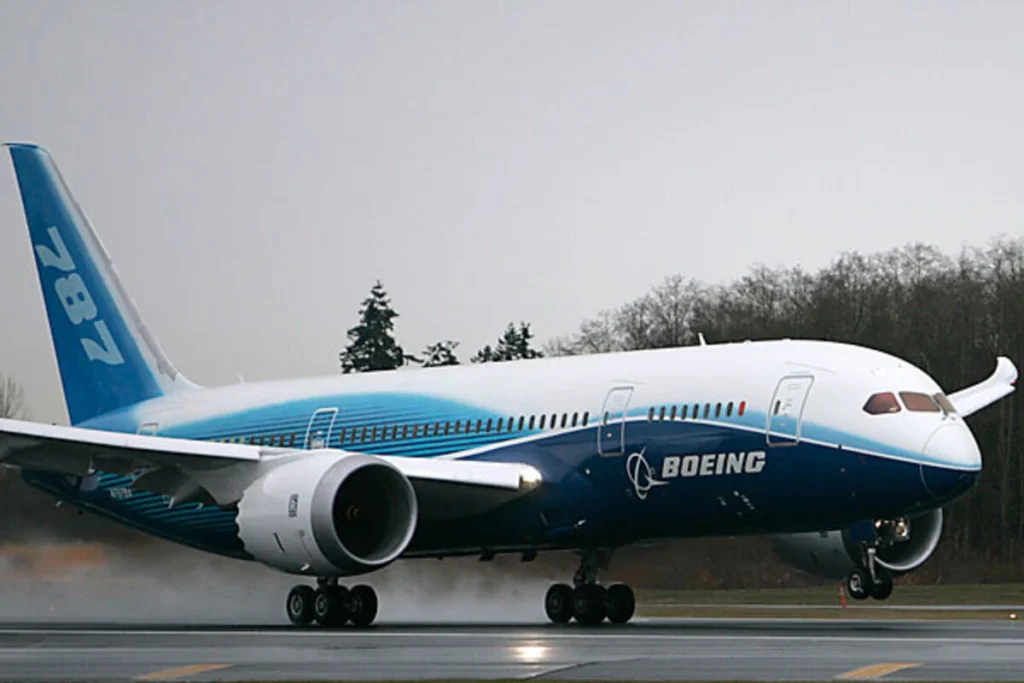
Airlines across Europe, Asia, Oceania, and the Americas are reworking international schedules and adjusting long-haul operations as the Boeing 787 engine reliability crisis continues disrupting global aviation networks. Major carriers including Air New Zealand, British Airways, All Nippon Airways (ANA), and LATAM are now accelerating fleet planning changes and shifting toward GE Aerospace’s GEnx engines following persistent durability concerns linked to Rolls-Royce Trent 1000 engines.
The operational impact is being felt at major international gateways including Auckland Airport, London Heathrow, Los Angeles International Airport (LAX), and Tokyo Narita, where airlines are managing aircraft shortages, maintenance delays, route suspensions, and revised flight schedules as engine-related inspections and repairs continue affecting Boeing 787 availability worldwide.
Airlines Face Growing Pressure From Engine Reliability Issues
The crisis stems largely from ongoing maintenance and durability concerns involving Rolls-Royce Trent 1000 engines used on many Boeing 787 Dreamliner aircraft. Aviation regulators have issued multiple airworthiness directives requiring inspections, repairs, and component replacements after identifying potential premature wear and cracking risks affecting engine parts.
European aviation authorities have specifically warned about possible cracking in low-pressure turbine blade assemblies that could create serious operational risks without mandatory inspection programs and corrective maintenance actions. These issues have already forced airlines worldwide to increase maintenance cycles, ground aircraft unexpectedly, and adjust network planning strategies.
Supply chain constraints and limited engine overhaul capacity have further intensified operational pressure, leaving some aircraft unavailable for extended periods and reducing fleet flexibility for major long-haul carriers.
Air New Zealand Faces Capacity Challenges at Auckland
Air New Zealand has become one of the airlines most visibly affected by ongoing Boeing 787 engine maintenance disruptions. The carrier has acknowledged continued fleet availability challenges tied to delayed engine servicing and reduced aircraft operational readiness.
The airline has already suspended some international services, including seasonal Auckland-Seoul operations, while adjusting network schedules to compensate for aircraft undergoing extended maintenance. Industry analysts note that reduced long-haul capacity is also affecting passenger demand management and revenue performance across parts of the airline’s international network.
To strengthen operational reliability, Air New Zealand is expected to introduce GEnx-powered Boeing 787 aircraft later in 2026, supporting broader efforts to stabilize schedules and restore long-haul capacity from Auckland.
British Airways Shifts Future Orders Toward GE Engines
British Airways has also confirmed major adjustments to future Boeing 787 procurement plans as engine reliability concerns reshape airline purchasing strategies. The airline recently switched six upcoming Boeing 787 aircraft orders from Rolls-Royce engines to GE Aerospace GEnx engines, reflecting growing industry confidence in the alternative powerplant option.
The airline’s leadership has publicly acknowledged delays in engine deliveries during 2025, creating operational complications at Heathrow and affecting broader long-haul network planning. Aviation industry observers say the decision highlights a wider trend among global airlines increasingly prioritizing reliability and maintenance stability when selecting aircraft engine suppliers.
The shift toward GEnx-powered aircraft is now being viewed as one of the most significant competitive developments in the long-haul aviation engine market.
ANA and LATAM Adjust Long-Haul Fleet Planning
All Nippon Airways and LATAM are also adapting fleet strategies and international scheduling decisions as the broader Boeing 787 engine situation continues evolving. Airlines are increasingly factoring maintenance predictability, engine reliability, and operational continuity into long-term procurement planning.
LATAM has already moved forward with Boeing 787 orders powered by GE GEnx engines, while ANA continues evaluating network planning and maintenance requirements across its international operations centered around Tokyo Narita.
The adjustments reflect a growing industry-wide effort to reduce exposure to prolonged maintenance disruptions that can affect passenger operations, aircraft utilization, and route profitability.
Passengers Experience Delays, Cancellations, and Reduced Capacity
Travelers are already feeling the effects of the Boeing 787 engine reliability crisis across major international routes. Airlines have introduced schedule revisions, flight cancellations, rebookings, and route suspensions as maintenance timelines reduce available aircraft capacity.
Reduced seat inventory on some long-haul markets is also contributing to higher fares and increased pressure on alternative routes during peak travel seasons. International passengers flying through major hubs including Heathrow, Auckland, Tokyo Narita, and LAX are being advised to monitor flight status updates closely and remain flexible with travel arrangements.
Industry experts warn that operational disruptions could continue through peak international travel periods as airlines work through inspection requirements and engine maintenance backlogs.
Aviation Industry Accelerates Shift Toward GE GEnx
The growing preference for GE Aerospace’s GEnx engines represents one of the most important strategic responses emerging from the current Boeing 787 engine crisis. Airlines increasingly view the GEnx platform as offering stronger operational reliability, more predictable maintenance cycles, and fewer scheduling disruptions.
At the same time, aviation regulators continue enforcing inspection requirements and technical oversight to ensure ongoing passenger safety across affected fleets. Industry officials emphasize that Boeing 787 aircraft remain safe to operate under strict regulatory compliance and maintenance protocols.
Airlines are now combining fleet redeployments, revised maintenance planning, and future procurement adjustments in an effort to maintain network stability while minimizing passenger disruption during the ongoing engine reliability challenges.
Long-Haul Aviation Enters New Operational Phase
The Boeing 787 engine reliability crisis is reshaping long-haul aviation strategy across the global airline industry. Carriers are reassessing fleet resilience, supplier relationships, maintenance capacity, and operational risk management as demand for international travel continues rising.
As Air New Zealand, British Airways, ANA, LATAM, and other airlines continue adjusting schedules and fleet plans, the wider aviation sector is entering a new phase focused heavily on reliability, maintenance efficiency, and operational continuity in increasingly competitive global travel markets.
For more travel news like this, keep reading Global Travel Wire