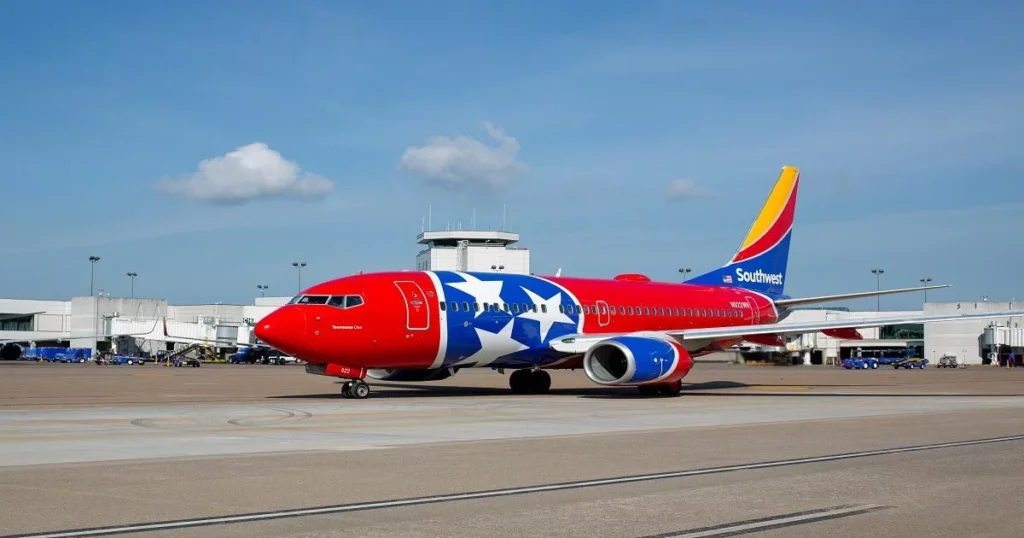
The aviation landscape is experiencing an monumental shift as Southwest Airlines systematically transitions away from its historical ultra-low-cost operational framework. In a series of official corporate updates and regulatory filings, the Dallas-based carrier has outlined a comprehensive strategy designed to capture high-yield passenger segments. This monumental pivot marks the end of a decades-long adherence to a singular, no-frills domestic business model.
By introducing dedicated premium airport lounges, restructuring aircraft cabin interiors, and preparing for unprecedented international long-haul operations, the company is positioning itself to compete directly for affluent leisure and corporate travelers. Public statements from corporate executives emphasize that these structural modifications are designed to meet evolving consumer expectations, where travelers increasingly demonstrate a willingness to pay higher yields for enhanced comfort and inclusive amenities.
The Capital Strategy Behind the Premium Pivot
For nearly fifty years, the airline maintained market dominance by enforcing strict operational efficiencies, utilizing a uniform domestic fleet, and offering simplified, budget-friendly fare tiers. However, rising structural costs across the aviation sector—including labor, fuel, and fleet maintenance—have fundamentally altered the economics of pure-play budget operations.
Official corporate financial blueprints reveal that future profitability targets will depend less on raw passenger volume and more on maximizing the revenue generated per available seat mile. To achieve this, the airline is executing a multi-million-dollar capital reallocation program. Resources previously earmarked for aggressive domestic short-haul expansion are being directed toward premium cabin retrofits, high-end airport real estate acquisition, and the regulatory approvals required for transoceanic operations. This calculated evolution allows the airline to insulate its revenue streams from the volatility of the ultra-low-cost marketplace, where margins have faced severe compression.
Introducing Elite Airport Lounges to Major Hubs
A core component of this service transformation is the official rollout of dedicated airport lounges. This infrastructure initiative represents a radical departure from the airline’s historic corporate culture, which famously rejected private airport clubs as an unnecessary operational expense.
According to initial infrastructure development plans, the carrier intends to establish premium lounge facilities in more than 25 primary domestic airports. These spaces will feature upscale dining options, premium beverage services, dedicated workstations, and private shower facilities. The funding required for this initial rollout represents a massive infrastructure investment.
Access to these exclusive spaces will be managed through a tiered system, incorporating top-tier frequent flyer status, premium credit card partnerships, and paid day-passes. While this introduces lucrative ancillary revenue streams, public aviation data indicates that ground infrastructure of this magnitude requires sophisticated management, signaling an undeniable shift toward full-service carrier mechanics.
Expanding Horizons via Long-Haul International Corridors
Simultaneously, the carrier is advancing its long-haul international ambitions. Federal route applications and fleet deployment schedules indicate plans to secure landing rights at major European gateways while stabilizing and expanding year-round corridors into deep South American and Caribbean markets.
To support these transcontinental routes, the airline is optimizing its fleet mix. Deliveries of advanced Boeing 737 MAX aircraft, alongside strategic wide-body leasing assessments, will provide the operational range necessary to cross oceanic corridors safely and efficiently. The airline projects that international operations will comprise up to 20 percent of its total revenue matrix within the next three fiscal years.
Operating in these highly regulated international environments requires extensive coordination with foreign aviation authorities, customs and border protection agencies, and local ground-handling consortiums. This expansion proves that the company is willing to absorb the operational complexities of international aviation in exchange for the superior profit margins generated by transoceanic premium travel services.
Impact on the Modern Passenger Experience
As the carrier retrofits its aircraft and adjusts its booking systems, the day-to-day traveler experience will undergo noticeable changes. The integration of premium travel services means that future aircraft configurations will feature distinct seating tiers, moving away from the egalitarian, single-class cabins of the past.
Operational and Product Benchmarks
Lounge Deployment: More than 25 major airport facilities under development.
Capital Infrastructure Spend: Outlays crossing the $200 million threshold for initial lounge construction.
International Revenue Target: Projected to reach 15-20% of total company yields within 36 months.
Fleet Modernization: Over 200 aircraft slated for comprehensive interior premium retrofits.
For the traditional budget-conscious flyer, this corporate reinvention introduces an era of shifting expectations. While economy fares will remain part of the carrier’s inventory, the pricing gap between this premium-focused model and legacy network airlines is expected to narrow. Conversely, frequent corporate travelers and premium leisure passengers stand to gain a highly reliable, operationally sound alternative for international transit, complete with the modern conveniences demanded by elite flyers. By balancing its legendary operational reliability with upscale customer service amenities, the airline is successfully carving out a resilient, highly profitable position in the global aviation hierarchy.
For more travel news like this, keep reading Global Travel Wire