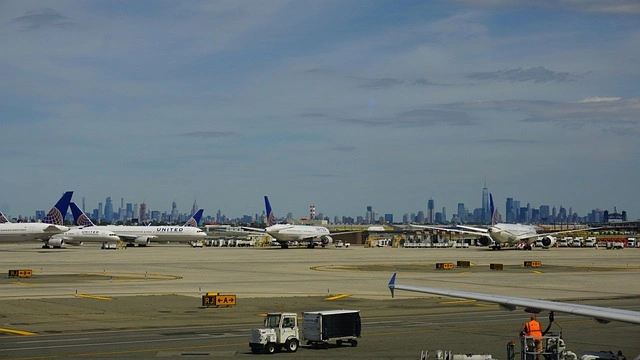
US flight disruptions intensified on June 2, 2026, as 38 cancellations and 484 delays affected services operating within, into or out of the United States, creating longer waits and potential missed connections for travelers navigating major domestic and international gateways.
Newark Liberty International Airport, John F. Kennedy International Airport, San Francisco International Airport and Toronto Pearson International Airport emerged among the key pressure points. Together, these hubs connect travelers with destinations across the United States, Canada, Iceland, Japan, South Korea, Portugal, the United Kingdom and other global markets.
The disruption arrived as thunderstorms threatened parts of the United States, including major air corridors around Atlanta, Dallas-Fort Worth, Houston and Florida. Low clouds also created potential operational challenges in Denver and San Francisco. Weather can reduce airport capacity, trigger rerouting and increase pressure on airline schedules even when conditions vary considerably from one region to another.
Newark Records Concentrated Cancellation Impact
Newark reported seven cancellations and 15 delays, making it one of the most significant cancellation hotspots in the latest operational picture. Icelandair recorded two cancellations, while United Airlines reported two cancellations and 12 delays. Jazz Aviation also posted two cancellations.
The figures matter because Newark plays a major role in domestic and transatlantic travel. Disruption at the airport can quickly affect connecting itineraries, hotel arrivals, business travel and visitor schedules across the New York metropolitan region.
Newark has also remained under operational scrutiny because arrivals and departures are subject to hourly limitations designed to ease congestion and improve reliability. Those limits remain in effect through October 24, 2026, reinforcing the importance of careful capacity management at the airport.
JFK Leads Examined Airports for Delays
JFK recorded two cancellations and 28 delays, the highest delay total among the four airports examined. The cancellations involved All Nippon Airways and Virgin Atlantic.
JetBlue and American Airlines each registered four delayed flights, while Delta Air Lines and Cathay Pacific each reported three. British Airways and Korean Air also appeared among the affected international carriers.
For travelers, delays at JFK can have consequences well beyond the terminal. The airport serves long-haul routes, high-value tourism markets and complex connecting itineraries. A late departure can disrupt hotel check-ins, airport transfers, tours, events and onward flights.
San Francisco Sees Broad International Airline Delays
San Francisco reported one cancellation and 24 delays. The sole cancellation involved All Nippon Airways, while delays were distributed across a wide range of carriers, including United Airlines, British Airways, Japan Airlines, Korean Air, Lufthansa, Singapore Airlines, Qantas and Air New Zealand.
United recorded seven delays, the highest volume at the airport. SkyWest reported three, while JetBlue posted two.
San Francisco’s broad delay pattern highlights the vulnerability of international aviation networks when airport capacity comes under pressure. Long-haul schedules depend heavily on aircraft rotations, crew positioning and precise connection windows. Even a moderate disruption can affect travelers heading toward hotels, attractions and regional destinations across California.
Toronto Pearson Adds Pressure to Cross-Border Travel
Toronto Pearson recorded three cancellations and 18 delays, adding pressure to cross-border travel between Canada and the United States. Jazz Aviation accounted for two cancellations, while Air Canada reported five delays. Air Transat recorded four, and Cathay Pacific posted three.
Toronto Pearson remains a major gateway for international visitors and connecting passengers. Disruptions can therefore extend into tourism markets on both sides of the border, especially when travelers depend on tightly timed onward services.
Weather and Capacity Constraints Shape the Travel Day
Flight delays can develop when thunderstorms, low clouds, reduced visibility or strong winds lower airport acceptance rates. Air traffic management measures may then hold aircraft at departure airports to balance demand with available capacity and reduce airborne congestion.
Airlines can also face aircraft rotation delays, crew scheduling complications and missed connection pressures as the day progresses. These effects often continue after local weather conditions improve because carriers must reposition aircraft and crews across their networks.
Travelers Should Act Early During Disruptions
Passengers should monitor airline apps, text alerts and email notifications closely. Travelers with connecting itineraries should review alternative options immediately and keep boarding passes, baggage receipts and expense records.
Under federal refund rules, passengers may qualify for a refund when an airline cancels a flight or significantly changes a journey and the traveler chooses not to accept the alternative offered. Travelers should review their options carefully before accepting rebooking, vouchers or credits.
The latest US flight disruptions remain manageable at a national level, but their tourism impact can spread quickly. For hotels, attractions, tour operators and destinations, reliable aviation remains essential to protecting visitor confidence and maintaining predictable travel demand.
For more travel news like this, keep reading Global Travel Wire