A fundamental reallocation of consular resources by the United States federal government has triggered significant concern across the international higher education sector. As the Department of State enters its peak operational window for academic document verification, newly implemented entry systems designed to facilitate mass transit for upcoming international sporting events have directly impacted traditional student processing pathways. The shift in administrative focus threatens to disrupt upcoming fall academic cycles as prospective attendees encounter extensive logistical bottlenecks at overseas consulates.
According to administrative analyses shared by educational policy coalitions at the NAFSA Association of International Educators conference in Orlando, the prioritization of temporary athletic event visitors marks a major departure from historical consular practices. In prior operational frameworks, federal guidelines explicitly instructed embassies to prioritize academic transit categories during the critical late-spring and mid-summer windows. The current structural reversal, heavily driven by the immense scale of upcoming cross-border events, has systematically reallocated available interview slots away from academic institutions, creating a complex environment for international mobility.
The Operational Mechanics of the New Event Scheduling Framework
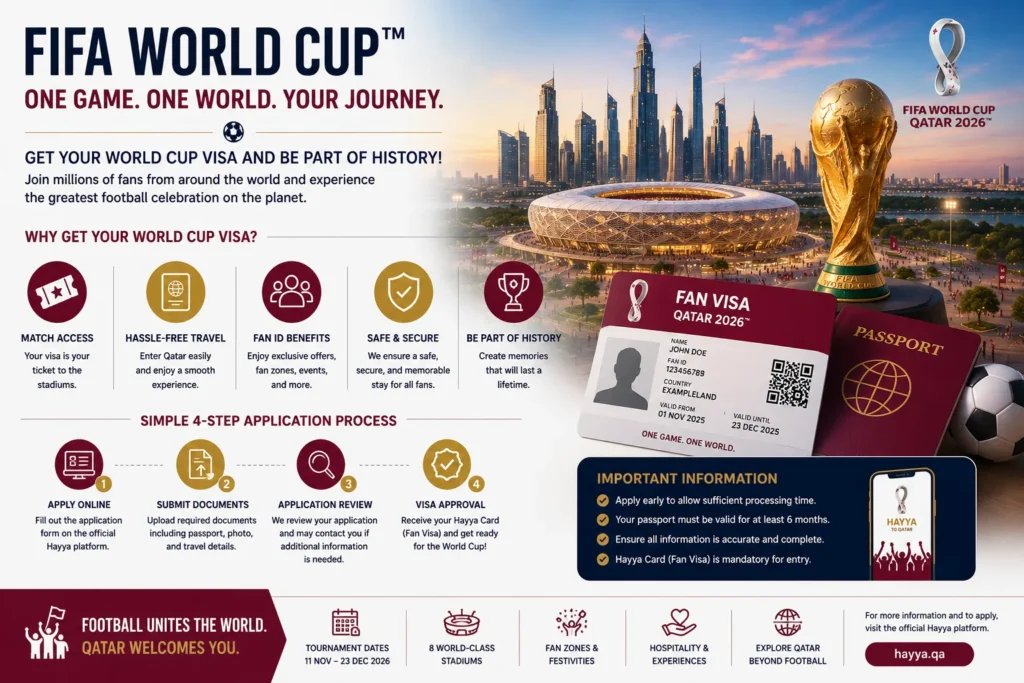
The primary mechanism behind this administrative shift is the formal deployment of the FIFA Priority Appointment Scheduling System, an opt-in platform designed in coordination with the White House Task Force. This digital infrastructure grants verified international match ticket holders expedited access to dedicated nonimmigrant visitor interview blocks across global consular posts. However, policy experts note that the implementation of this system has inadvertently created a resource deficit for standard nonimmigrant categories.
While football enthusiasts utilize the prioritized scheduling system to secure rapid travel authorizations, prospective academic applicants seeking F-1 degree-seeking status or J-1 exchange visitor endorsements find themselves facing extended waiting lists. Consular data from key sending markets indicates a profound reduction in available interview capacities for non-event categories. Educational research bodies warn that this imbalance mirrors the severe administrative pauses observed during previous summers, which generated a notable 36 percent reduction in student document issuance and directly fueled a subsequent 17 percent contraction in total international enrollments.
Impact Stretching Beyond Degree Programs to Cultural Exchange Platforms
The administrative strain generated by the current event-focused directives extends far beyond traditional university campuses. Representatives from the Alliance for International Exchange have emphasized that the structural shortage of available appointment windows poses a direct threat to federally managed cultural exchange and seasonal work initiatives, including the prominent BridgeUSA framework.
Internal data compiled by exchange organizations highlights the vulnerability of seasonal programs:
Summer Work and Travel Participants: Statistical extrapolations indicate that up to 19 percent of vetted, potential international participants are at risk of missing seasonal employment windows due to an inability to secure primary interview slots.
Camp Counselor Initiatives: Approximately 6 percent of prospective educational and recreational leaders face complete exclusion from summer programs because they cannot access consular screening facilities prior to program start dates.
To address these compounding delays, a massive coalition of 32 higher education organizations, spearheaded by the American Council on Education, has submitted a formal petition to the Department of State. The collective appeal urges federal authorities to implement immediate administrative adjustments to restore balance during the peak season. The council emphasizes that current bottlenecks are further worsened by complex vetting procedures and enhanced social media screening protocols introduced during recent legislative cycles, which have structurally increased the processing time required for every individual nonimmigrant case file.
Structural Economic Ramifications and Long-Term Institutional Risks
The financial and operational consequences of a sustained drop in foreign academic registrations present severe long-term risks for both domestic universities and the broader national economy. Higher education institutions heavily depend on the tuition margins generated by international enrollments to fund advanced research laboratories, subsidize domestic student financial aid packages, and maintain localized campus infrastructure.
From a macroeconomic perspective, official statistics from international education associations demonstrate that foreign student bodies represent a high-value sector of the service economy. For every three international students actively enrolled at an accredited domestic institution, one domestic job is directly created or sustained within the surrounding community via housing transactions, consumer spending, and municipal service utilization. The current disruption to this talent pipeline could severely impact regional economies that rely on student-driven commerce.
Furthermore, policy advisors warn that the cumulative effect of strict domestic policies and active travel restrictions is encouraging international talent to consider alternative destinations. Competitor nations across Europe and Asia, collectively referred to inside educational summits as the rising alternative global hubs, have systematically modernized their post-study work regulations and entry protocols to attract displaced students. As countries like Germany and China expand their English-language degree offerings and streamline immigration paths, the current administrative friction at domestic consulates risks permanently altering global talent distribution trends.
For more travel news like this, keep reading Global Travel Wire