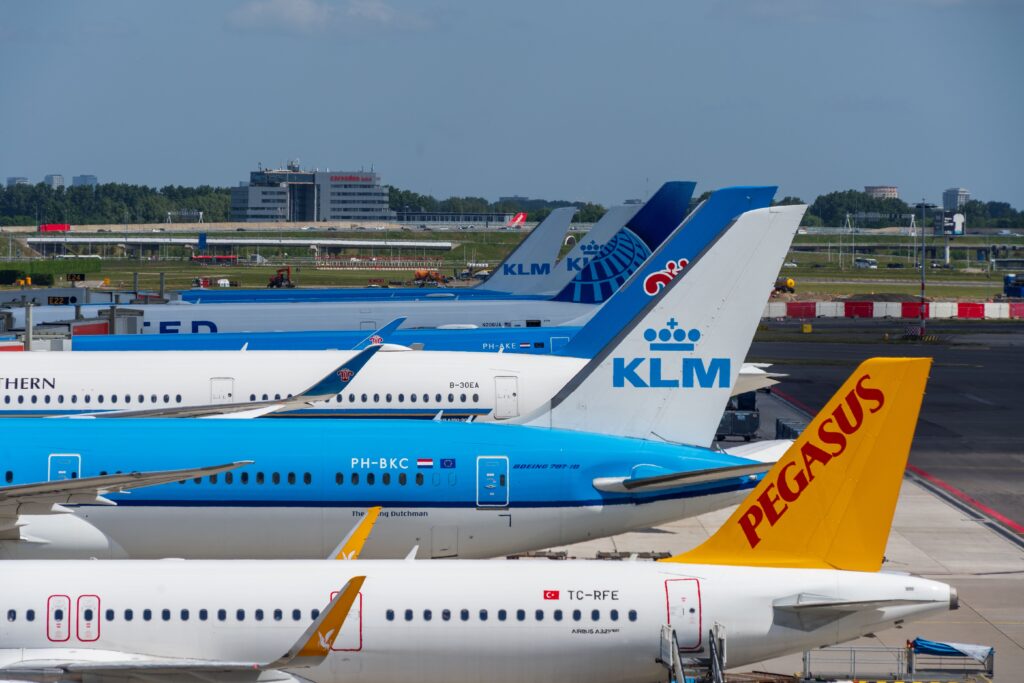
The global commercial aviation sector is experiencing a significant operational overhaul as international legacy carriers adjust their networks to counter passenger terminal bottlenecks and transit delays. According to formal schedule releases from major global airline alliances, carriers are shifting capacity away from traditional, highly congested multi-leg hubs. Instead, they are establishing an expansive matrix of direct international flight routes aimed at primary experiential travel destinations, specifically targeting cultural and ecological hubs across Japan, Costa Rica, and Italy.
This network modification responds directly to evolving patterns in international passenger demand. Official visitor statistics compiled by global tourism ministries indicate that modern travelers are increasingly prioritizing uninterrupted, single-segment itineraries to minimize the operational risks associated with baggage loss and missed connecting flights. By executing direct pipelines into specialized regional markets, commercial airlines are adjusting their long-haul strategies to offer structurally resilient travel patterns that connect passengers directly with immersive cultural destinations.
Flight Route Diversification Across the Transpacific and European Corridors
The implementation of these direct long-haul operations has introduced notable structural updates across key transpacific and transatlantic flight tracks, with premium capacity shifting toward regional points of entry.
+-------------------------------------------------------------------+
|               Strategic Direct Routes and Asset Deployment        |
+-------------------------------------------------------------------+
| Japan Pathways   | Direct services into Tokyo Haneda, Narita, and |
|                  | Osaka Kansai from major coastal US gateways.   |
+------------------+------------------------------------------------+
| Central American | High-frequency nonstops connecting southern US  |
| Pipelines        | hubs directly to San José and Liberia.         |
+------------------+------------------------------------------------+
| European Regional | Direct regional point-to-point entries to Milan|
| Access           | Malpensa, Bari, and Adriatic coastal gateways. |
+-------------------------------------------------------------------+
In the transpacific sector, official filings show that Japan Airlines and All Nippon Airways have optimized their flight frequencies from major North American gateways including Los Angeles, San Francisco, Chicago O’Hare, and New York JFK. A key aspect of this route evolution is the expansion of nonstop options into Osaka Kansai International Airport by both international carriers and United Airlines. This direct routing enables cultural travelers to establish immediate transit links to the regional prefectures of western Japan, bypassing the domestic connection networks within Tokyo’s metropolitan airports.
Concurrently, European flight networks are being adjusted to avoid primary hub congestion. Official operational data from United Airlines confirms the introduction of point-to-point transatlantic services from Newark Liberty International directly to regional destinations such as Bari in southern Italy and Split along the Croatian coast. Furthermore, American Airlines has deployed updated wide-body aircraft assets, including its Boeing 787 Dreamliner fleet, to service dedicated direct routes between Miami International and Milan Malpensa, offering a structured entry point for the Mediterranean agrarian travel market without relying on traditional central European transit points.
Central American and Secondary Global Node Extensions
The emphasis on single-segment travel architecture is also influencing flight availability across major eco-tourism and wellness corridors. In Central America, the Costa Rican Tourism Board has verified an increase in direct seasonal and year-round flight options operated by United, Delta, and American Airlines into San José and Liberia airports.
These routes draw transit traffic directly from primary source markets in Houston, Atlanta, Miami, and New York, shielding travelers bound for the conservation initiatives of the Osa Peninsula or the Monteverde cloud forests from multi-carrier connection dependencies. Concurrently, leisure carriers including JetBlue Airways and Southwest Airlines have altered their regional footprints, reallocating standard short-haul capacity toward these direct, high-yield ecological corridors.
On a broader scale, global flag carriers are implementing similar direct strategies to secure secondary international destination nodes:
Air New Zealand: Maintains direct, long-range links connecting Auckland with major US West Coast and East Coast nodes to facilitate undisturbed access to regional cultural programs.
Royal Air Maroc: Utilizes direct trans-continental frequencies from Washington Dulles and Miami to Casablanca, providing streamlined onward connectivity to North African cultural centers.
Icelandair: Leverages its specialized transatlantic stopover architecture via Reykjavík to distribute passengers directly into secondary Nordic and Arctic gateways.
Technological Integration and National Airspace System Safety Upgrades
To support this high-density network shift toward diverse regional secondary airports, civil aviation authorities are accelerating the integration of advanced air traffic control and monitoring technologies. Under official modernization frameworks managed by the Federal Aviation Administration, updated communication infrastructures and automatic dependent surveillance-broadcast systems are being deployed to optimize terminal radar accuracy and prevent runway separation conflicts.
In Europe, the European Union Aviation Safety Agency is coordinating with airline maintenance divisions to enforce strict predictive safety protocols, utilizing automated diagnostic systems to reduce technical flight cancellations before aircraft depart terminal gates. Additionally, the International Air Transport Association is expanding its biometric identification initiatives across Asia-Pacific hubs, deploying centralized security frameworks to streamline ground handling processes and mitigate human processing errors at key entry checkpoints.
Economic Implications for Long-Haul Fleet Utilization
From an operational and corporate perspective, the transition to specialized direct routing models represents a strategic emphasis on premium route yields. Industry reporting metrics from global aviation data agencies indicate that passengers booking direct flights to highly focused cultural, ecological, or wellness destinations demonstrate higher average ticket values and a greater propensity for premium cabin selection.
By adjusting long-haul schedules to bypass congested international hub infrastructures, commercial airlines minimize their financial exposure to airport delays, passenger re-accommodation costs, and late-stage gate modifications. This operational model optimizes fleet utilization rates for advanced long-range aircraft types, positioning single-segment regional routing as an efficient framework for sustainable long-haul passenger transportation.
For more travel news like this, keep reading Global Travel Wire