The South Asian leisure economy is experiencing a major structural shift as destination networks across the Himalayan region attract record numbers of high-expenditure visitors. Driven by expanding cross-border flight capacity, targeted regional promotion, and a growing global interest in heritage tourism, the hospitality real estate market is expanding to handle a distinct segment of premium travelers.
Official statistical reports released by the Nepal Tourism Board verify that Nepal international tourist arrivals have entered a steady upward trend. The state recorded a historic high of 105,441 foreign tourist entries during a single month, signaling that the traditional mountain destination is successfully transitioning day-trip and adventure traffic into higher-yielding, multi-week luxury stays.
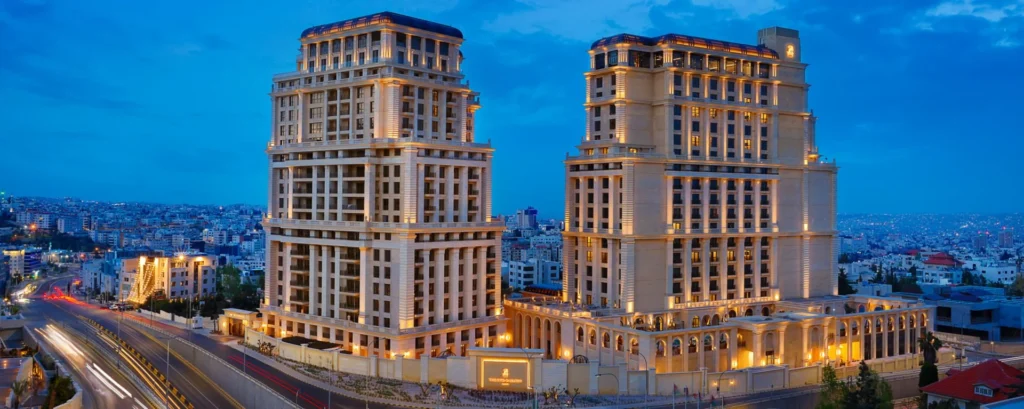
To capture this momentum and elevate the capital’s urban infrastructure, Marriott International and CG Hospitality Global, the specialized hospitality subsidiary of the multinational Chaudhary Group, have officially finalized a bilateral Memorandum of Understanding (MoU). This historic corporate agreement introduces two premier hospitality brands—The Ritz-Carlton and The Westin—to the Kathmandu Valley market, adding approximately 300 ultra-luxury room keys to the regional investment pipeline by 2031.
The multi-million-dollar development project is supported by a domestic investment consortium featuring prominent Nepalese corporate entities. These partners include the IEG Group, the IJ Group, and Sharma & Company, marking one of the largest single capital infusions into the nation’s service sector.
Expanding the Luxury Boundary in Kathmandu’s Central Hub
The strategic placement of these upcoming properties is designed to realign high-end visitor tracking across the capital. The Ritz-Carlton Kathmandu will establish its first operational presence within Thamel, the prominent commercial and tourism district of the capital, positioned just five kilometers from Tribhuvan International Airport.
The architectural layout for this mixed-use complex incorporates a total of 150 meticulously configured guest rooms, featuring 30 premium suites tailored for affluent travelers and international business missions. According to development parameters, the luxury plant will incorporate five distinct restaurant and lounge installations, an outdoor swimming pool, a fully equipped fitness matrix, and the signature Ritz-Carlton Spa.
To tap into the growing South Asian corporate events and destination celebrations market, planners have designated over 1,100 square meters of state-of-the-art conference and banquet facilities. This extensive footprint provides a localized gateway connecting incoming high-yield travelers directly to protected UNESCO World Heritage sites, including the Narayanhiti Durbar Museum and Kathmandu Durbar Square.
Prioritizing Wellness and Sustainable Capital Infrastructure
The secondary property within the agreement focuses on the premium wellness and executive travel segment. The Westin Kathmandu, situated approximately seven kilometers from the primary aviation gateway, will also add 150 luxury rooms and suites built around the brand’s signature health and lifestyle framework.
The building parameters feature three dedicated dining venues, the WestinWORKOUT Fitness Studio, the Heavenly Spa by Westin, and a rooftop swimming pool. The property will also house more than 700 square meters of flexible meeting and banquet facilities engineered with smart scheduling technology and maximum natural light. This setup serves as a contingency network for global business travelers requiring premium logistics outside traditional corporate centers.
The deployment of these properties supports the Ministry of Culture, Tourism and Civil Aviation’s broader economic objectives. Public updates from the ministry confirm that international visitor arrivals grew by a solid 19% year-over-year in recent months, with cumulative foreign direct investment approvals for tourism projects jumping to over 10,542 million Nepalese Rupees.
By delivering international-standard luxury assets, the joint venture directly supports the state’s regional development goals, expanding employment opportunities for local hospitality workers and stabilizing foreign currency reserves.
Scaling Global Brand Alliances Across Emerging Markets
This capital expansion builds upon a fast-growing global partnership between Marriott International and the Chaudhary Group. Within neighboring South Asian corridors, the two organizations have executed over 75 hospitality agreements under the ‘Series by Marriott’ platform, successfully bringing 50 operational properties into active service across 43 gateway cities within a two-year window.
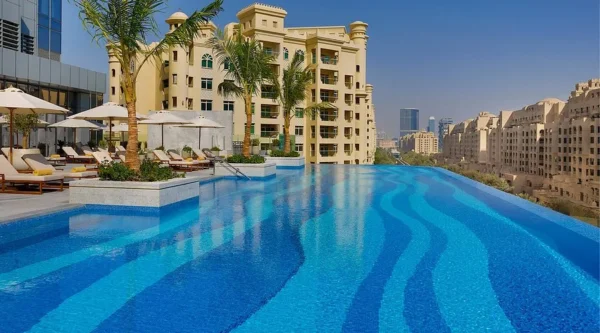
The partnership’s international footprint also includes the successful debut of The Farm at San Benito, Autograph Collection in the Philippines, the ongoing development of the JW Marriott Branded Residences in Central Dubai, and the construction of the JW Marriott Hotel in Siliguri, India.
For Marriott International, which manages a global portfolio of over 9,900 operational hotels across 146 countries, the Kathmandu pipeline strengthens its long-term distribution network across high-potential South Asian gateways. Concurrently, for the Nepal-based Chaudhary Group, which maintains an active footprint across 130 destinations globally, the project advances its core objective of using elite international brands to drive tourism-led growth.
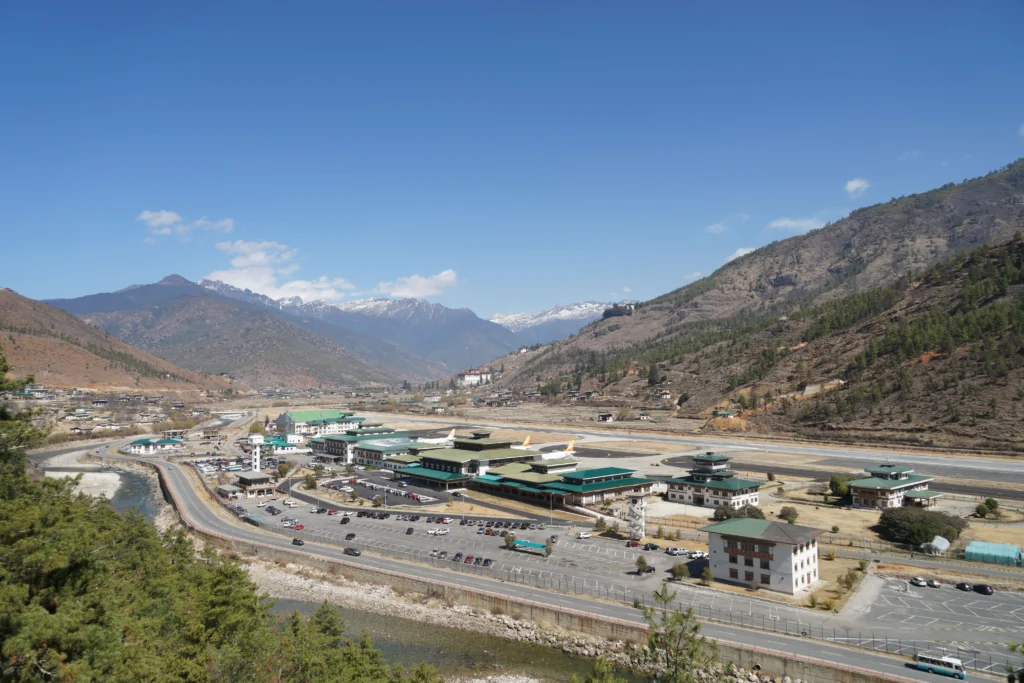
As the destination’s transport authorities invest in auxiliary runway expansions and digital visa processing systems to handle higher visitor volumes, this influx of private real estate capital positions Kathmandu as a competitive, premier destination within the international luxury travel landscape.