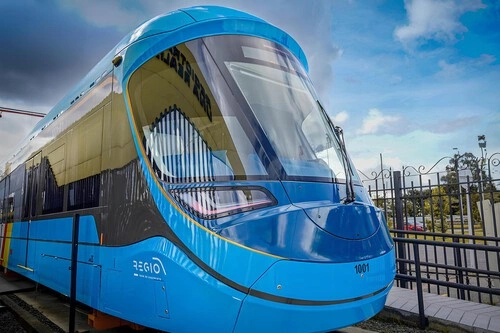
Colombia’s RegioTram de Occidente is entering a decisive new phase as Guangzhou Metro Group is positioned as the future operator of the electric rail corridor linking Bogotá with key municipalities in Cundinamarca.
The project is designed to connect Bogotá with Funza, Mosquera, Madrid and Facatativá through an approximately 40-kilometre regional passenger rail system. For commuters, business travellers, students, event delegates and domestic visitors, the development marks a major step toward cleaner, faster and more integrated mobility across the Bogotá metropolitan region.
Partial operation is targeted for the second half of 2027, giving the travel and transport industry a clear planning horizon. If delivered successfully, the line could reshape how people move between Colombia’s capital and the western Sabana corridor.
Guangzhou Metro Role Adds Operating Strength
Guangzhou Metro Group’s future operating role matters because rail success depends on far more than tracks and stations. A modern passenger rail corridor requires reliable operations, safety systems, staff training, maintenance planning, passenger information, crowd management and punctual service.
RegioTram de Occidente will operate across a mixed corridor. Part of the system will move through Bogotá’s urban environment, while another section will serve suburban and regional travel demand in Cundinamarca. This creates a complex operating challenge that requires both city rail experience and commuter-style service planning.
Guangzhou Metro’s involvement adds an international operating reference to the project. For hotels, real estate developers, event organisers, corporate travel planners and destination marketers, a clear future operator can improve confidence that the project is moving beyond planning toward service delivery.
Bogotá And Cundinamarca Gain Faster Regional Access
The Bogotá region has long faced pressure from road congestion, commuter flows and uneven transport links between the capital and surrounding municipalities. RegioTram de Occidente is expected to ease part of that pressure by shifting movement from road-based travel to electric rail.
For local residents, this could mean more predictable journeys to jobs, schools, services and commercial districts. For business travellers, it can improve movement across the wider capital region. For visitors, it can make Cundinamarca more accessible from Bogotá’s hotel, meetings and urban tourism base.
This is important because major destinations increasingly compete on mobility. Airports, hotels and attractions matter, but the ability to move easily within a region often shapes the full traveler experience.
Funza, Mosquera, Madrid And Facatativá Become Better Connected
The corridor’s planned connection to Funza, Mosquera, Madrid and Facatativá gives the project strong regional significance. These municipalities are part of the western growth zone around Bogotá, where residential, industrial, educational and business movement is already significant.
Improved rail access can help these areas operate more closely with the capital. Workers could gain more reliable mobility. Students could reach educational centres more easily. Regional businesses could benefit from better access to Bogotá’s service economy.
Facatativá, as the western endpoint, could gain stronger day-trip and domestic travel potential. Funza and Mosquera could benefit from improved commuter and industrial access, while Madrid may strengthen its role within the western Sabana mobility belt.
Electric Rail Supports Cleaner Transport Shift
RegioTram de Occidente’s electric design gives the project an important environmental dimension. Transport emissions and congestion remain major challenges for fast-growing metropolitan regions, and electric rail can help reduce dependence on road vehicles along high-demand corridors.
For the travel sector, sustainability is becoming a stronger commercial factor. Corporate clients, event organisers and international visitors increasingly value destinations with cleaner and more efficient transport options.
A successful electric rail corridor could therefore become part of Bogotá and Cundinamarca’s future destination identity. It would support lower-emission regional movement while helping the capital region present itself as more modern, connected and visitor-friendly.
Tourism And Business Travel Could See New Opportunities
The project should not be overstated as an immediate tourism boom before operations begin. However, reliable rail can create new travel patterns once service starts.
Visitors staying in Bogotá may find it easier to explore parts of Cundinamarca. Event delegates could move across a wider metropolitan area with more confidence. Corporate travel managers may gain better options for staff and clients moving between offices, hotels, event venues and regional business zones.
Tour operators could also study future itineraries linked to station access, local culture, regional gastronomy and short-distance domestic leisure. The strongest opportunity will depend on service reliability, station-area safety, clear signage and integration with Bogotá’s wider transport network.
Integration With Bogotá Mobility Will Be Critical
RegioTram de Occidente is not expected to work in isolation. Its long-term value will depend on how well it connects with Bogotá’s broader mass-transit system, including metro, bus and other public transport links.
Modern travelers judge the whole journey, not only one rail line. They want to move from a station to a hotel, from an airport area to a meeting, and from a business district to an event venue without confusion.
If the project integrates smoothly, it can strengthen Bogotá’s full mobility chain. That would benefit daily commuters, tourism, corporate travel and regional development at the same time.
Colombia’s Travel Market Watches The 2027 Target
The second half of 2027 target for partial operation gives businesses time to prepare. Hotels can assess station-linked demand. Event organisers can evaluate delegate mobility. Municipalities can improve pedestrian access, safety, signage and local services around future stations.
The next test is execution. Construction progress, operational readiness, timetable reliability, passenger information and maintenance discipline will decide whether RegioTram de Occidente becomes a daily mobility habit or only a symbolic infrastructure project.
RegioTram de Occidente Could Redefine Regional Connectivity
Colombia’s RegioTram de Occidente is now moving from promise toward execution pressure. With Guangzhou Metro Group positioned for a future operating role, the project has gained a sharper operational identity and stronger international rail expertise.
For Bogotá and Cundinamarca, the corridor offers a cleaner, faster and more integrated way to connect people, businesses and destinations. For Colombia’s wider transport market, it could become a model for regional electric rail development.
If the project delivers reliable service and strong integration, RegioTram de Occidente could redefine capital-region mobility and create a more competitive, sustainable and connected travel corridor for Colombia.