The landscape of international aviation continues to prioritize operational continuity and long-term infrastructure stability. Following recent defense and diplomatic discussions at the Group of Seven (G7) summit held in Evian, France, global attention has focused tightly on the resilience of Middle Eastern aviation corridors. While political rhetoric occasionally generates international commentary regarding regional airspace security, official tracking data and public statements from civil aviation authorities confirm that commercial transit networks remain entirely stable, functional, and unaffected.
The foundational driver behind this operational durability is the massive scale of Saudi Arabia tourism development under the landmark Vision 2030 framework. The Kingdom remains heavily focused on fortifying its position as the premier aviation and logistics bridge connecting Europe, Asia, and Africa. By insulating commercial flight paths from external geopolitical discussions, regulatory bodies are ensuring that global passengers bypass structural travel chaos, keeping transit fluid across the world’s most critical aerial crossroads.
Vision 2030: Protecting the Transcontinental Flight Corridor
The strategic economic diversification strategy executed by the Saudi government establishes a target of welcoming 150 million visitors annually by the end of the decade. Achieving this objective requires absolute consistency within civilian flight corridors. Official tourism board releases emphasize that global confidence is sustained through the continuous, uninterrupted operation of major international airport hubs, including King Khalid International Airport in Riyadh and King Abdulaziz International Airport in Jeddah.
To support this high-capacity network, the General Authority of Civil Aviation continues to implement advanced air traffic management protocols. These measures ensure that commercial flight paths remain wholly dedicated to international tourism, religious pilgrimages, and global commerce. Despite speculative discussions concerning potential military logistics, official policy mandates the separation of defense frameworks from the commercial aviation ecosystems that support millions of transcontinental travelers each month.
By reinforcing this regulatory firewall, the Kingdom prevents the cascading flight cancellations and localized airport disruptions that historically follow regional uncertainty. International carriers operating long-haul routes between major Western European capitals and destinations across Southeast Asia or Australasia continue to utilize Saudi airspace without scheduling revisions or heightened risk premiums from aviation underwriters.
Strategic Objectives of the Saudi Aviation Expansion
The table below outlines the core investment sectors and operational benchmarks defined by official government announcements to secure international passenger transit:
| Development Sector | Vision 2030 Strategic Objective | Operational Impact on Global Transit |
| Infrastructure Expansion | Construction of mega-terminals and advanced logistics hubs | Maximizes gate capacity and reduces potential terminal congestion |
| Carrier Fleet Upgrades | Substantial fleet acquisitions for national and regional airlines | Enhanges dynamic rerouting capabilities and scheduling backups |
| Tourism Megaprojects | Unimpeded access to development zones like NEOM, AlUla, and the Red Sea | Assures international leisure travelers of secure, direct arrivals |
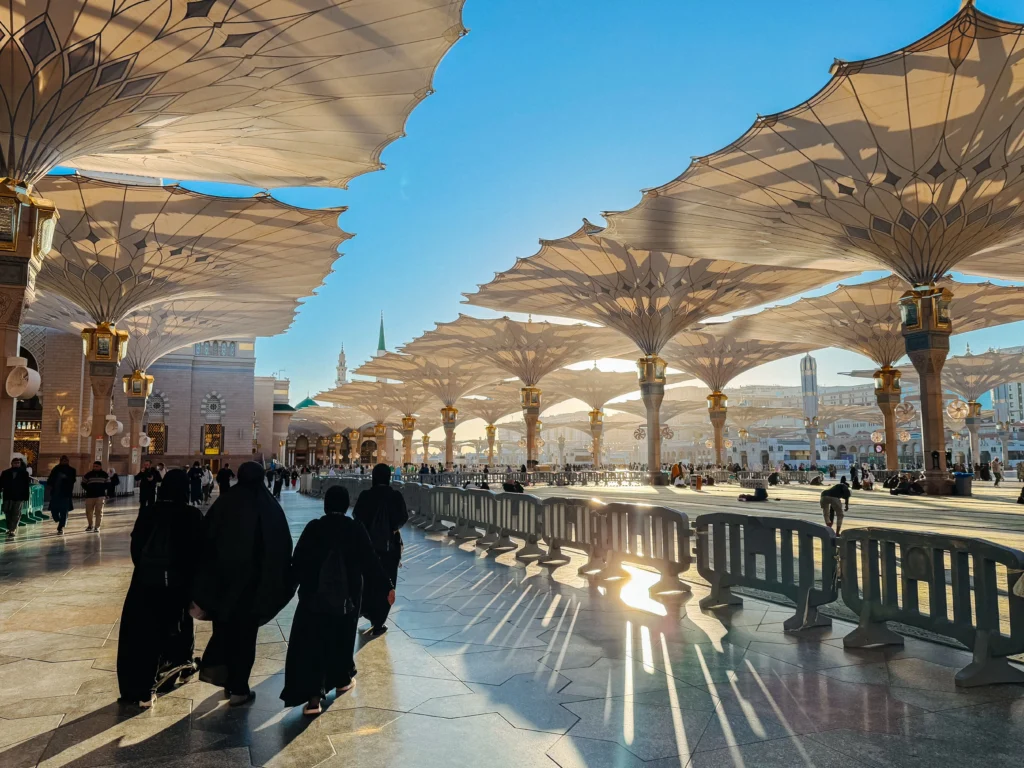
| Religious Tourism Enhancements | Expanded capacity for annual pilgrimage transit routes | Streamlines high-volume passenger entry and processing protocols |
| Business Events Integration | Positioning main cities as regional hubs for exhibitions and summits | Maintains predictable scheduling for corporate international travelers |
Preserving Consumer Confidence and Operational Continuity
For international passengers and global corporate travel managers, the retention of stable flight routes across the Gulf represents a vital structural victory. When transcontinental corridors experience volatility, the immediate alternative requires routing flights around the entire Arabian Peninsula or shifting high-volume traffic to over-congested secondary hubs in East Asia. These detours add substantial flight hours, increase carbon output, and elevate fuel overhead for international airlines.
Official data from international transport ministries indicates that current fuel indices remain stabilized, allowing legacy carriers to maintain baseline pricing structures and predictable weekly flight frequencies. To preserve this environment, regional aviation hubs are utilizing phased flight departures and advanced gate coordination to manage capacity. This proactive management mitigates the risk of sudden operational bottlenecks, ensuring that secondary delays do not cascade through global scheduling networks.
Guidelines for International Leisure and Business Travelers
Although civil aviation pathways are operating at full capacity, official tourism boards and government agencies recommend that travelers follow standard, structured travel practices when navigating long-haul international corridors:
Consult Official Channels Only: Travelers should rely exclusively on verified government announcements, transport ministry releases, and direct communication from their ticketing airlines rather than unverified commentary.
Confirm Scheduling Status: Passengers are encouraged to monitor live flight schedules via official airline applications prior to heading to the terminal to account for any localized timing adjustments.
Maintain Buffer Windows: When booking multi-carrier connecting itineraries through large international hubs, allowing a transition window of at least three hours helps manage standard security screening protocols efficiently.
The comprehensive scale of Saudi Arabia tourism development functions as an anchor for the global travel sector. By maintaining an unyielding commitment to Vision 2030 infrastructure targets and ensuring that commercial transport paths remain entirely separate from international defense discussions, the region continues to deliver reliable, high-capacity connectivity for the global aviation network.
For more travel news like this, keep reading Global Travel Wire