Domestic and international transit loops are experiencing an extraordinary surge in volume as summer travel in the United States hits record capacity. Statistical forecasts and operational assessments released for the mid-2026 season reveal that millions of vacationers are simultaneously converging on major urban centers and landmark coastal jurisdictions. Led by monumental visitor turnouts in premier gateways like New York City, Los Angeles, and Chicago, federal and municipal tourism entities are implementing advanced infrastructure protocols to safely manage the dense concentration of seasonal travelers.
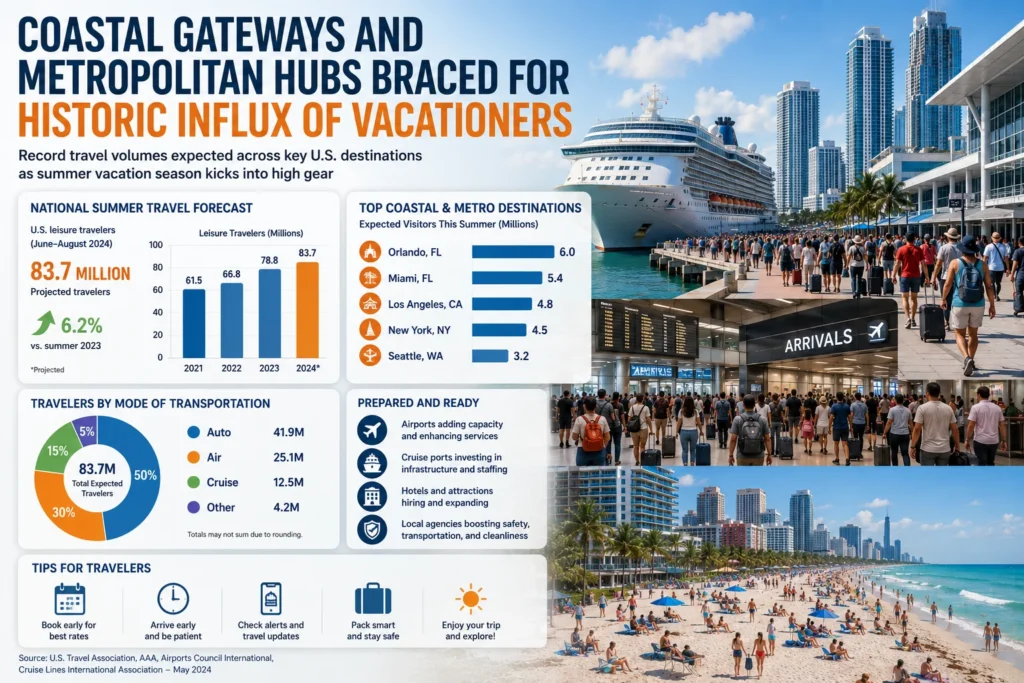
Data published by the U.S. Travel Association, in coordination with seasonal insights from national tourism tracking dashboards, outlines a highly resilient aviation and highway network. Despite persistent shifts in consumer discretionary spending, an overwhelming majority of American adults are actively executing multi-destination itineraries this season. The current migration pattern highlights a strong consumer preference for primary metropolitan hubs that boast extensive cultural assets, diverse recreational infrastructure, and robust public transit systems.
Comparative Performance Metrics Across Leading American Gateways
A comprehensive review of baseline municipal metrics places New York City in the top tier of domestic vacation destinations for the 2026 summer season. Evaluations managing factors such as transit accessibility, cultural attraction density, and overall traveler engagement underscore the New York metropolitan area’s immense draw. While the city continues to handle challenges regarding premium hospitality pricing, its unparalleled volume of parks, waterfront markets, and open-air theatrical installations sustains its position as a primary global gateway.
To illustrate the diverse experiences capturing consumer interest across the country, official regional tourism board releases outline the distinct profiles of five other leading destinations:
Los Angeles, California: Combining Hollywood entertainment infrastructure with expansive coastal environments like Santa Monica and Venice Beach, drawing multi-generational cohorts through programs organized by Visit California.
Chicago, Illinois: Noted for its architecture-centric river cruises, open-air music series in Millennium Park, and waterfront recreational access along the Lake Michigan shoreline.
Orlando, Florida: Operating as the central focal point for high-density family entertainment, theme complex attendance, and domestic resort vacations.
Seattle, Washington: Capturing a major share of travelers seeking moderate northern summer climates, urban maritime history, and adjacent federal park ecosystems.
Miami, Florida: Sustaining record-breaking summer occupancy via its premium resort infrastructure, distinct neighborhood food scenes, and prominent multi-cultural celebrations promoted by statewide tourism entities.
Aviation processing figures from the Transportation Security Administration indicate that these core markets are experiencing a minimum 10 percent year-on-year increase in daily traveler screenings. The unprecedented velocity of this travel wave is requiring major municipal transit operators to run at peak capacity to accommodate the heavy passenger flow.
Financial Dynamics, Weather Challenges, and Shifting Geographies
While the sheer volume of summer travel in the United States confirms a thriving visitor economy, the structural behavior of contemporary travelers reveals significant adjustments. Financial analytical reports indicate a distinct trend where budget-conscious consumer segments are choosing shorter trip intervals, reducing luxury restaurant expenditures, or booking itineraries months in advance to freeze baseline lodging rates.
Concurrently, a noticeable stabilization in regional overland driving vacations has altered traffic flow patterns across the interior. Due to various international transit adjustments, a significant volume of traditional cross-border and long-haul travel capital has stayed within the domestic grid. This shift has generated unexpected summer attendance spikes for secondary regional markets across states like Tennessee, Colorado, Indiana, and North Carolina.
Furthermore, mid-summer climate patterns, marked by high thermal humidity indexes across eastern urban corridors, are shifting tourist activity hours. In cities like New York and Chicago, daytime museum attendance has risen sharply as visitors seek climate-controlled environments, while traditional outdoor exploration has shifted significantly into the cooler late afternoon and evening hours.
Policy Frameworks and Structural Adjustments by Travel Authorities
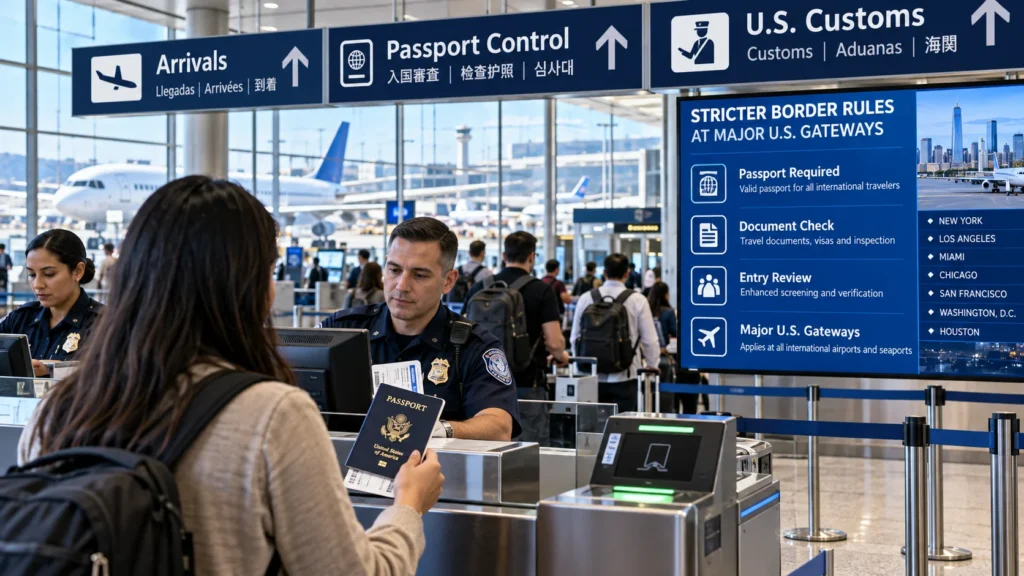
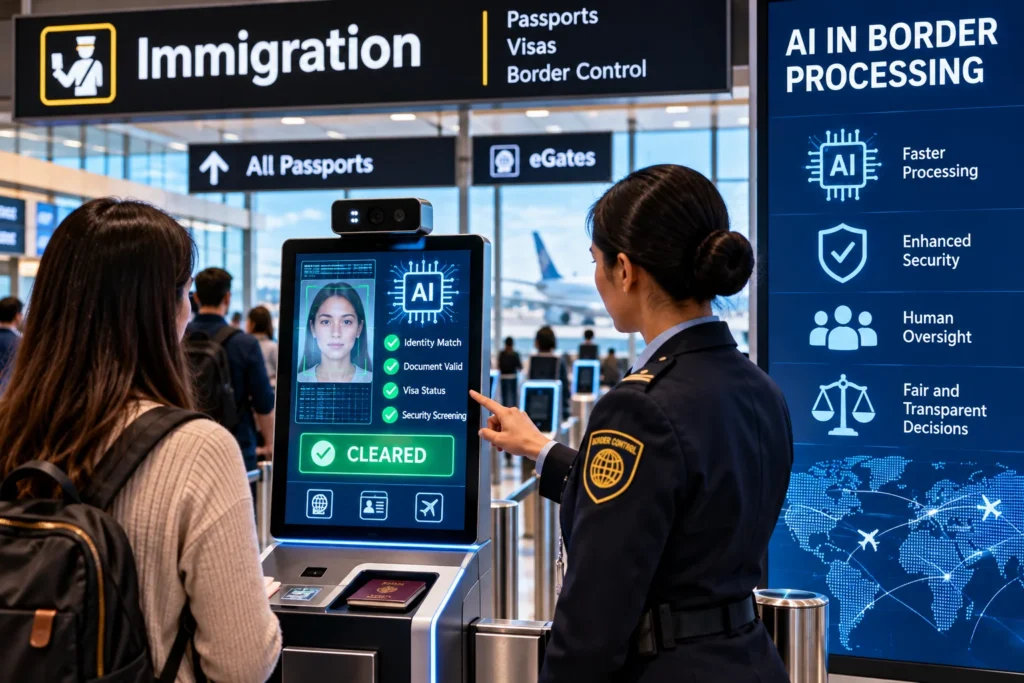
In direct response to the historic traveler turnout, federal transport departments have accelerated air traffic control modernization initiatives and expanded funding lines for major airport improvement projects. Port authorities are also deploying advanced biometric identification and smart-screening configurations to systematically reduce wait intervals inside security lines.
National tourism administrators emphasize that the contemporary travel landscape demands an assertive shift toward data-driven destination management. Regional tourism associations are actively executing cross-promotional campaigns to highlight underrated secondary spots, such as Rochester, New York, to successfully distribute heavy passenger traffic away from oversaturated metropolitan corridors.
Tactical Advice for Navigating High-Volume Travel Windows
To ensure seamless transit through the packed domestic infrastructure this summer, official travel advisory boards recommend several structured operational strategies:
First, secure admission bookings and flight slots well ahead of departure dates to lock in standard pricing tiers. Second, orchestrate visits to landmark historical sites during early morning or post-sunset hours to bypass the highest daily crowd concentrations. Third, heavily utilize metropolitan mass transit networks rather than private car rentals to avoid steep parking overheads and localized urban gridlock. Finally, maintain active tracking of flight status profiles via automated mobile carrier applications to receive immediate alerts regarding weather-related routing changes.
For more travel news like this, keep reading Global Travel Wire