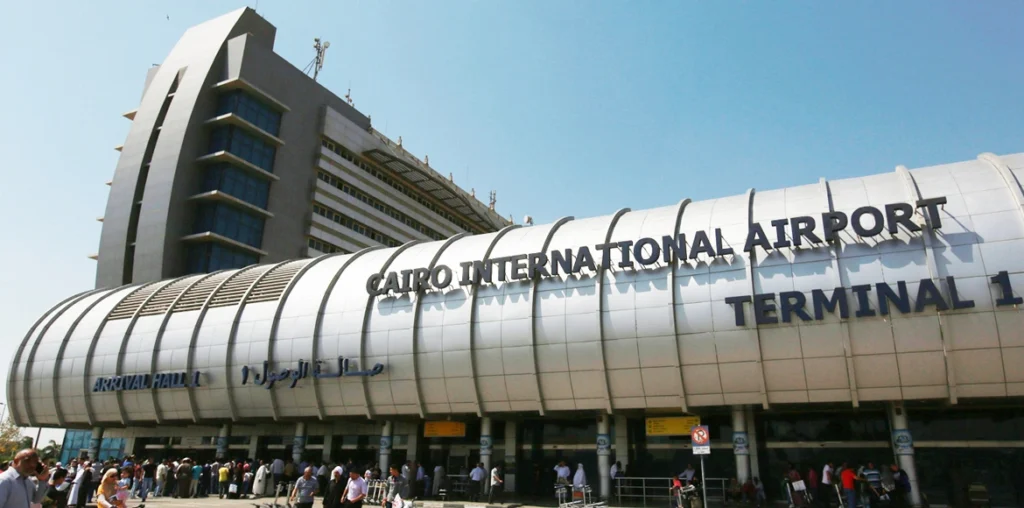
Travel plans were thrown into uncertainty at Cairo International Airport after 103 flights were delayed and four services were canceled during a busy operating period, affecting passengers traveling across Egypt and to major international destinations.
The disruption created longer waits and changing itineraries for travelers using services operated by EgyptAir, Air Cairo, Emirates, Saudia, Lufthansa, Turkish Airlines and other carriers. Routes linking Cairo with Dubai, Riyadh, Jeddah, London, Paris, Istanbul, Frankfurt and New York were among the domestic and international connections facing schedule pressure.
Thousands of passengers moving through the Egyptian capital were advised to monitor airline notifications, confirm departure details and allow extra time for airport procedures. While most scheduled services continued operating, the scale of the delays caused uncertainty for tourists, business passengers and travelers making onward connections.
More Than 100 Cairo Flights Face Delays
Operational figures showed that 103 flights were running behind schedule, while four services were canceled. The disruption affected both departing and arriving passengers throughout the airport’s terminals.
Travelers responded by checking airport departure boards, refreshing airline applications and contacting carriers as flight times changed. Passengers with connecting journeys faced particular pressure because even a moderate delay can reduce transfer times or require airlines to arrange alternative itineraries.
The precise circumstances affecting individual flights can vary. Aircraft rotations, air traffic management, operational restrictions, weather on earlier sectors, maintenance requirements and congestion during high-demand periods can all influence departure and arrival times.
A delayed aircraft may also be scheduled to complete several journeys during the same day. Consequently, one late arrival can affect later services across a wider airline network.
Major Airlines and International Routes Affected
Cairo is a critical aviation hub for travel between Africa, Europe, Asia and the Middle East. Disruptions at the airport can therefore extend beyond Egypt, affecting airline schedules, connecting passengers and airport operations in other destinations.
The airlines named in the disruption serve a broad mix of regional and long-haul markets. Travelers using routes to Gulf destinations such as Dubai, Riyadh and Jeddah may face changes to business trips, family visits and religious travel itineraries.
Meanwhile, delays involving London, Paris, Istanbul and Frankfurt can affect European connections, while disruption on journeys linked with New York may create challenges for long-distance travelers and passengers connecting through other international hubs.
Airlines typically respond by adjusting aircraft assignments, crew schedules, boarding times and departure slots. However, recovery can take time when multiple services are operating behind schedule during a busy period.
Tourism and Hospitality Plans Come Under Pressure
The disruption could have an immediate impact on Egypt’s tourism sector because Cairo International Airport is the country’s primary entry point for many overseas visitors.
Delayed arrivals may affect hotel transfers, guided tours, attraction bookings and domestic connections. Visitors traveling onward to Luxor, Aswan or Red Sea resort destinations could also need to revise rail journeys, domestic flights or private transportation arrangements.
Cairo itself remains a central destination for travelers planning to visit the Pyramids of Giza, museums and other historical attractions. Schedule changes may reduce sightseeing time for visitors on short stays or tightly organized tour itineraries.
Hotels and tour operators may also face late check-ins, transfer changes and last-minute requests from guests whose flights have been rescheduled. At the same time, passengers required to remain near the airport could create additional demand for accommodation, dining and ground transportation.
Passengers Urged to Check Flight Status
Passengers traveling through Cairo should confirm their flight status directly with their airline before leaving for the airport. Departure times, gates and terminal information can change as carriers work to restore normal schedules.
Travelers should keep identification and travel documents accessible, enable airline notifications and arrive with enough time to complete check-in, baggage and security procedures. Those making connections should review their full itinerary rather than checking only the first flight.
Passengers affected by a cancellation should contact their airline to discuss rebooking, alternative routes, refund eligibility or accommodation assistance where applicable. Available support will depend on the carrier, ticket conditions and the circumstances surrounding the disruption.
International travelers should also confirm entry, visa and transit requirements before accepting an alternative itinerary through another country.
Cairo Airport Operations Continue
Despite 103 delays and four cancellations, Cairo International Airport continued handling a substantial schedule of domestic and international services.
Airport operators, airlines and aviation authorities coordinate during periods of disruption to manage aircraft movements, passenger processing and operational safety. Safety checks, crew requirements and air traffic instructions can take priority over maintaining the original departure time.
For passengers, the disruption means longer terminal waits and potentially significant itinerary changes. However, frequent monitoring and direct communication with airlines can help travelers respond quickly as schedules are updated.
With Cairo serving as a major tourism, commercial and connecting gateway, the focus will remain on recovering delayed operations, assisting affected passengers and limiting further disruption across Egypt’s domestic and international aviation network.
For more travel news like this, keep reading Global Travel Wire