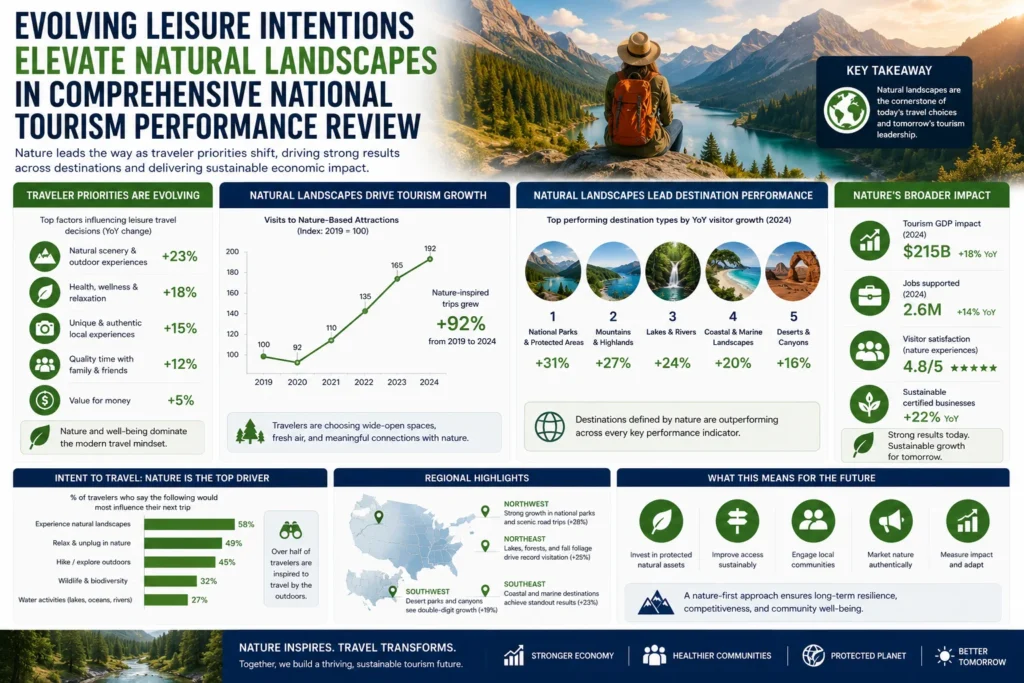
The behavioral profiles of international and domestic holidaymakers traversing the Canadian visitor economy have registered a significant structural shift, signaling a strong preference for expansive nature-based experiences over traditional, high-density urban monuments. According to a data-driven market report published by regional tourism assessment groups, Vancouver’s historic Stanley Park has secured the premier ranking as the nation’s most popular tourist attraction. The multi-factored index, which standardized performance metrics across 96 notable cultural, historical, and architectural points of interest nationwide, confirms that passive sightseeing at built structures is progressively losing market share to dynamic, open-air destinations that offer direct ecological immersion.
British Columbia’s prominent performance in the national review is backed by robust data tracking baseline consumer satisfaction. Stanley Park achieved an overall index rating of 92.50 out of a possible 100 points, driven by an exceptional 76.74 percent five-star approval rating recorded across more than 29,250 independent traveler validations. Destination marketing organizations in western Canada emphasize that the park’s expansive 1,000-acre old-growth coastal rainforest provides an optimal blend of urban convenience and biological preservation, a combination that aligns perfectly with contemporary wellness travel demands and sustainable vacation priorities.
Comparative Structural Metrics Highlight Changing Value Metrics Across Key Gateways
The comprehensive review reveals a notable divergence between global name recognition and actual on-site visitor satisfaction scores. Toronto’s iconic CN Tower, which has long served as a primary visual symbol for Ontario’s inbound travel sector, secured the second position nationally with an index score of 75.97. While the 553-meter freestanding observation tower continues to command substantial baseline numbers, its five-star satisfaction index stabilized at 51.24 percent. Industry analysts note that this gap suggests that architectural scale alone no longer guarantees premium consumer scores, as contemporary travelers increasingly scrutinize ticket pricing matrices, wait times, and the interactive depth of structured observation platforms.
In contrast, historic and cultural preservation zones continue to demonstrate strong resilience when integrated into walkable urban environments. The historic district of Old Quebec claimed the third position nationally, earning a 75.54 index score while maintaining a strong 81.95 percent five-star approval rate. According to municipal tourism updates from the province of Quebec, the district’s meticulously preserved 17th-century fortifications, European architectural heritage, and walkable cobblestone corridors create an authentic cultural setting that delivers reliable value to international holidaymakers seeking historic depth without cross-continental transit.
Horticultural Artistry and Alpine Preserves Broaden Regional Destination Appeal
The emerging hierarchy further highlights the strength of specialized botanical and geographical destinations in shaping modern travel patterns. Victoria’s Butchart Gardens achieved the fourth position, logging 70.09 index points and an 80.66 percent five-star rating across its historic quarry transformations. The attraction’s ability to transition industrial heritage sites into highly curated, multi-seasonal floral exhibitions illustrates how structural creativity can maintain premium traveler engagement across generations.
Similarly, the inclusion of pristine wilderness zones like Banff National Park’s Peyto Lake, which secured the sixth position with 61.26 index points, illustrates the profound impact of landscape photography on modern trip planning. Fed by active glacial meltwaters that produce a vibrant turquoise hue, the high-altitude lookout reflects a broader international shift toward remote, clean-air environments. Regional park authorities note that independent travelers increasingly view these protected alpine lookouts as essential wellness destinations rather than simple sightseeing stops, intentionally routing their itineraries through interior wilderness corridors to experience authentic wilderness environments.
Urban Renewal Frameworks Stabilize Engagement Across Historic Maritime Hubs
Montreal’s historic core also secured a top position in the national ranking, with Old Montreal taking fifth place with an index score of 64.64. Balancing 17th-century architectural assets like the Notre-Dame Basilica with active pedestrian plazas and waterfront culinary networks, the district achieves its peak performance during the high-density summer festival window. The regional distribution of these top-tier destinations across British Columbia, Ontario, Quebec, and Alberta highlights the geographic diversity of the country’s visitor infrastructure, proving that successful tourism retention relies on combining robust structural heritage with active public spaces.
As provincial tourism ministries align their long-term infrastructure funding with changing global demographics, the commercial lessons from this performance analysis are expected to guide future capital investments. National tourism boards are increasingly focusing on improving trail infrastructure, deploying digital translation tools across heritage sites, and expanding multi-modal transit links to ecological reserves. By prioritizing open-air conservation, preserving historic integrity, and removing logistical friction for independent travelers, the hospitality sector ensures it remains uniquely positioned to capture the growing global demand for authentic, restorative, and nature-centric holiday experiences.
For more travel news like this, keep reading Global Travel Wire