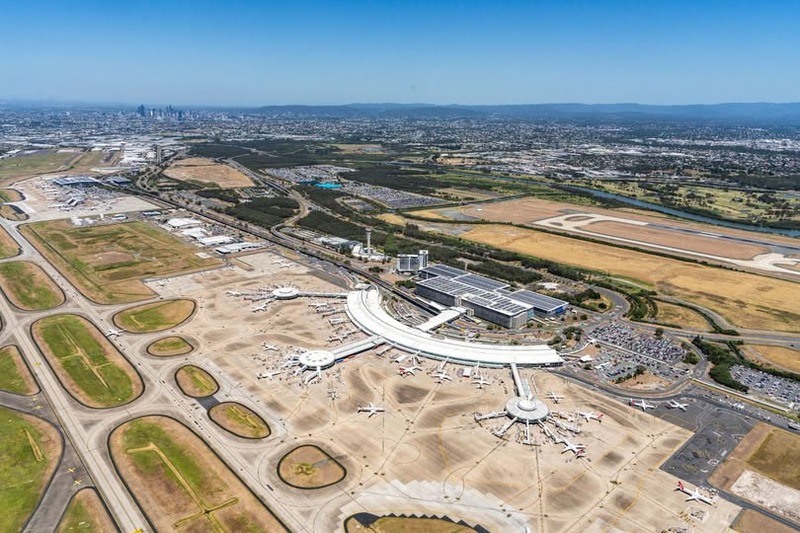
Brisbane is entering a transformative chapter in its aviation journey. As one of Australia’s most important international gateways, Brisbane Airport is preparing for decades of growth following the Australian Government’s approval of the Brisbane Airport Master Plan 2026. For travelers, businesses, and local communities, the decision represents more than an infrastructure milestone—it signals a future where connectivity, tourism, and economic opportunity are expected to expand hand in hand.
The approval arrives at a time when global travel demand continues to recover and evolve. Airports are increasingly being asked to do more than move passengers from one destination to another. They are becoming economic hubs, tourism catalysts, and strategic assets that shape regional development. Brisbane Airport‘s new roadmap reflects this changing role, positioning Queensland’s capital as a key player in the Asia-Pacific aviation landscape for the next two decades. For millions of future travelers, the benefits could be significant. Enhanced facilities, stronger international links, and improved transport access are expected to create a more seamless travel experience while supporting Queensland’s growing reputation as one of Australia’s leading tourism destinations. The plan establishes a clear framework for growth while ensuring the airport remains capable of meeting rising passenger expectations in an increasingly connected world.
Government Endorsement Shapes Future Airport Strategy
The approval of the Brisbane Airport Master Plan 2026 marks a significant endorsement of the airport’s long-term vision. Backed by Australia’s national infrastructure authorities, the strategy outlines how Brisbane Airport will adapt to rising demand across South East Queensland while supporting broader economic and tourism objectives.
The framework provides a coordinated approach to future development, including aviation infrastructure upgrades, land-use planning, operational improvements, and commercial expansion. Beyond airport operations, the plan aligns with regional priorities aimed at strengthening tourism, facilitating international trade, and improving economic competitiveness. By securing government approval, Brisbane Airport gains a long-term development pathway that ensures it can continue serving as a critical gateway for domestic and international travelers while supporting Australia’s broader aviation ambitions.
Large-Scale Infrastructure Expansion and Passenger Growth Capacity
A major component of the Master Plan centers on substantial infrastructure investment designed to accommodate future passenger growth. Over the coming decades, Brisbane Airport is expected to increase its capacity significantly, with projections indicating the airport could eventually handle more than fifty million passengers annually. To support this growth, plans include expanded terminal facilities, upgraded passenger services, and enhanced operational systems that improve efficiency throughout the airport environment. The strategy also introduces additional commercial developments, including hotels, retail precincts, entertainment facilities, and business-oriented spaces. Transport connectivity will play a central role in this expansion. Improved access routes and integrated transport solutions are intended to manage increasing passenger flows while reducing congestion. Together, these developments aim to create a modern airport ecosystem capable of supporting both tourism growth and business travel demand.
Sustainable Aviation and Future-Ready Technology Integration
Sustainability forms a key pillar of Brisbane Airport’s long-term strategy. Rather than treating environmental initiatives as standalone projects, the Master Plan integrates sustainability into the airport’s future growth framework. Preparations are underway to support emerging aviation technologies, including infrastructure that could accommodate sustainable aviation fuels, hydrogen-powered aircraft, and electric aviation systems as these technologies mature. The approach reflects broader industry efforts to reduce emissions and advance environmentally responsible aviation practices.
The strategy also focuses on energy efficiency, operational innovation, and reduced environmental impact. By incorporating future-ready technologies into current planning, Brisbane Airport aims to remain competitive while supporting global aviation decarbonisation objectives.
A Future Defined by Growth and Global Reach
Brisbane Airport’s Master Plan 2026 represents more than an infrastructure blueprint—it reflects Queensland’s ambition to strengthen its role in global travel, tourism, and commerce. Over the next twenty years, expanded capacity, improved connectivity, sustainable innovation, and significant economic investment are expected to transform the airport into one of the Asia-Pacific region’s leading aviation hubs. For travelers, the changes promise smoother journeys and stronger international connections. For businesses, they create opportunities for growth, trade, and investment. And for Queensland, the approved Master Plan lays the foundation for a future where Brisbane Airport continues to serve as a gateway not only to Australia but to the wider world. As aviation demand rises and travel patterns evolve, Brisbane is positioning itself to meet that future with confidence, capacity, and a clear long-term vision.
Image courtesy: Frontline Pacific