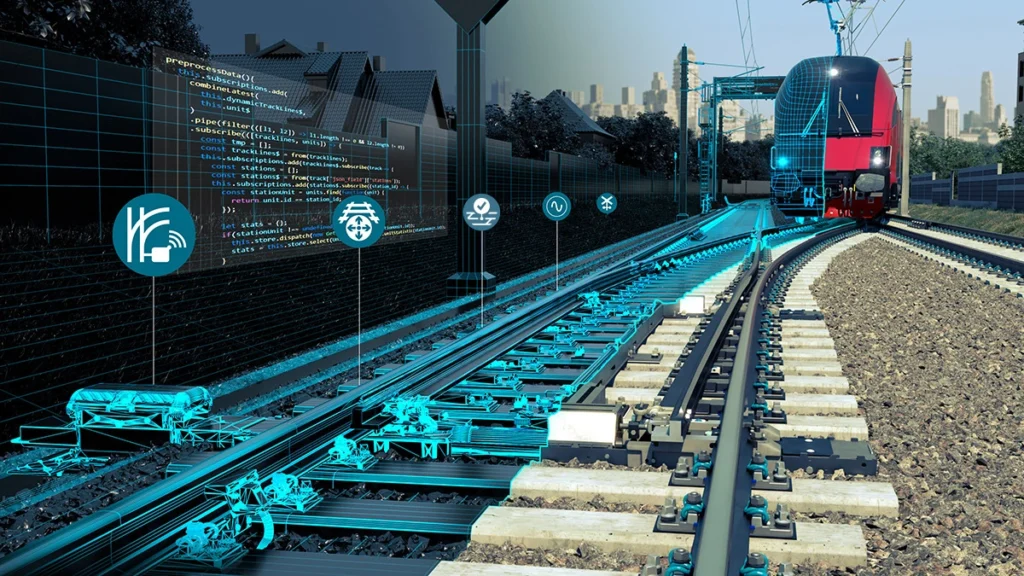
Vienna’s role in Europe’s railway technology landscape is gaining fresh attention as voestalpine Railway Systems advances zentrak, a connected digital platform designed to transform how rail infrastructure is monitored, documented and maintained.
The system brings asset information, component identities and maintenance intelligence into one digital environment, giving railway operators a clearer view of track condition across the entire infrastructure lifecycle.
As rail authorities face ageing assets, growing passenger demand and increasing pressure to reduce disruption, zentrak is positioned as a practical response to one of the sector’s biggest weaknesses: fragmented information.
Traditional railway maintenance often depends on separate databases, manual inspections and disconnected departmental records. zentrak replaces that structure with a unified platform capable of linking physical track components to digital documentation and operational data.
For passenger and tourism networks, the potential impact is significant. More accurate maintenance planning can reduce emergency repairs, improve punctuality and support more dependable regional and international rail services.
One Digital Platform Replaces Fragmented Data
At the centre of zentrak is the digital identification and serialisation of railway components.
Rails, switches and other infrastructure assets can be assigned individual digital identities, allowing operators to follow them from installation through maintenance and eventual replacement.
Digital Touch Points are applied to physical infrastructure and can be scanned to retrieve information through the zentrak Customer Portal. This gives maintenance teams faster access to documentation, component history and asset details without relying on scattered paper records or incompatible systems.
The result is a digital representation of the railway network in which each track component becomes easier to identify, locate and manage.
This approach improves communication between engineering departments, maintenance contractors and infrastructure managers. It also reduces the risk of outdated records, duplicated work and incomplete asset histories.
For large rail systems, where thousands of components must be managed simultaneously, this level of visibility can materially improve planning and operational control.
RFID Enables Full Lifecycle Tracking
Radio-frequency identification technology is a central part of the platform’s asset-tracking capability.
RFID allows individual rail components to be identified and monitored throughout their working life. Operators can determine where a component is installed, review its condition and connect it with inspection or maintenance information.
This creates a more precise understanding of how infrastructure performs over time.
Instead of treating rail sections as anonymous parts of a wider network, operators can examine component-specific wear patterns, stress levels and service histories.
That information supports more focused maintenance decisions. Components showing early signs of deterioration can be prioritised, while assets remaining in good condition may continue operating without unnecessary intervention.
This reduces dependence on fixed maintenance schedules that may replace equipment too early or fail to identify developing problems quickly enough.
Real-Time Data Supports Predictive Decisions
The platform’s wider objective is to move railway maintenance away from reactive repairs and toward predictive management.
Monitoring systems can collect information relating to track condition, wear and the interaction between trains and infrastructure. When that data is connected with asset records, operators gain a more complete view of network performance.
Predictive insights can highlight when infrastructure is approaching operational limits, allowing maintenance teams to intervene before service-affecting failures occur.
This can reduce unplanned downtime, improve track availability and extend the useful life of valuable railway assets.
For passengers, the benefit is greater reliability. Fewer unexpected infrastructure faults can mean fewer delays, cancellations and emergency speed restrictions.
For operators, better forecasting supports more efficient use of maintenance budgets, labour and replacement materials.
Digital Rail Management Strengthens Network Resilience
The growing pressure on rail infrastructure is not limited to ageing equipment.
Extreme heat, heavy rainfall and changing weather conditions can place additional stress on tracks, switches and supporting structures. Continuous monitoring and stronger digital records can help infrastructure managers identify unusual behaviour earlier.
Although technology cannot remove every climate-related risk, more detailed asset intelligence allows maintenance schedules to be adjusted according to actual conditions rather than relying solely on standard inspection intervals.
This strengthens the resilience of passenger and freight corridors while supporting long-term sustainability goals.
Reliable infrastructure is particularly important for tourism-focused rail networks, where delays can disrupt international itineraries, hotel arrivals, airport connections and multi-city journeys.
As travellers increasingly choose rail for lower-impact European trips, dependable track systems will become even more important to destination competitiveness.
Smarter Maintenance Supports Rail Travel Growth
zentrak reflects a wider transformation taking place across the railway sector.
Modern railways are no longer managed only through physical inspections and mechanical expertise. They increasingly depend on connected sensors, digital identities, centralised documentation and data-based forecasting.
The platform’s value lies in combining these functions rather than treating them as isolated technologies.
For infrastructure managers, this supports better decisions across an asset’s entire lifecycle. For transport authorities, it can improve reliability and reduce long-term costs. For passengers, it strengthens confidence in rail as a dependable form of travel.
As railway systems become busier and more complex, predictive maintenance is moving from an experimental concept to an operational necessity.
By connecting physical infrastructure with digital intelligence, zentrak demonstrates how one integrated platform can help rail networks become more transparent, efficient and resilient while supporting the future growth of passenger mobility and tourism.
For more travel news like this, keep reading Global Travel Wire