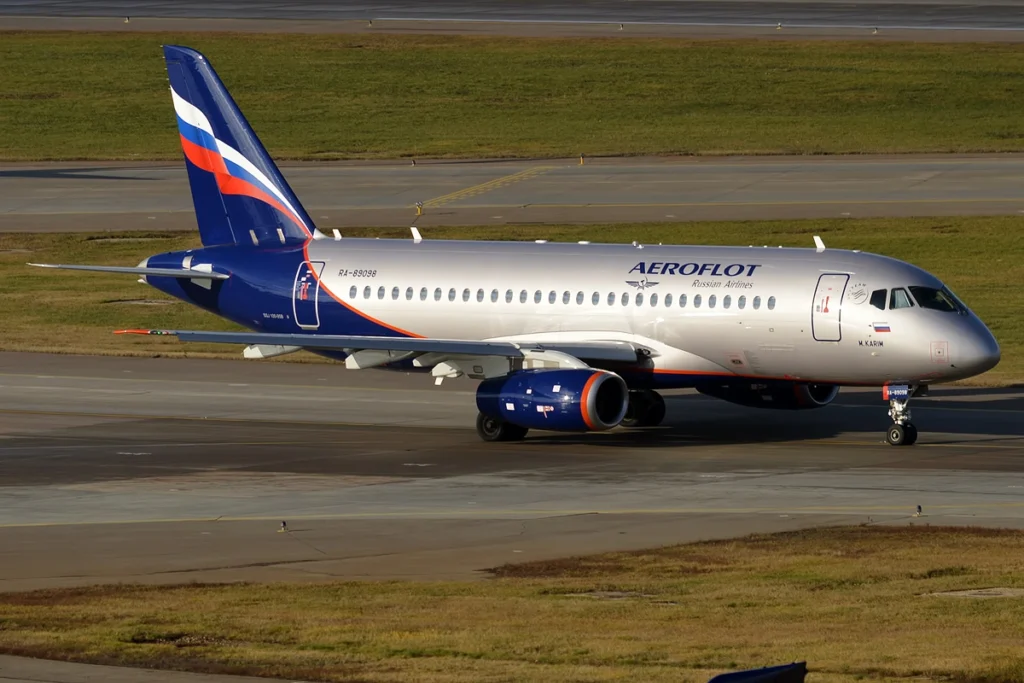
Aeroflot has launched a new direct service between Nizhny Novgorod and Minsk, creating a faster regional air corridor between Russia and Belarus while supporting tourism, business travel and cross-border mobility. The non-stop route operates three times weekly on Tuesdays, Fridays and Sundays.
The service connects Nizhny Novgorod with Minsk National Airport, removing the need for many passengers to travel through Moscow or another major aviation hub. With a journey time of approximately two hours, the route provides a more convenient option for short holidays, corporate visits, family travel and official delegations.
The connection also reflects a broader shift toward direct city-to-city aviation services across the region. By linking two significant economic and cultural centres, Aeroflot is expanding travel opportunities beyond traditional capital-based routes.
Three Weekly Flights Improve Passenger Flexibility
The Tuesday, Friday and Sunday schedule has been structured to accommodate several travel patterns. Friday and Sunday services can support weekend tourism and family visits, while the Tuesday operation provides additional flexibility for business travellers and passengers planning longer stays.
Direct flights reduce total journey time by eliminating transfers, additional airport procedures and the risk of missed connections. This can be particularly valuable for travellers carrying baggage, families with children and passengers making time-sensitive corporate journeys.
The route also simplifies booking because passengers can complete the journey under a single non-stop itinerary. Greater schedule predictability may encourage more residents of central Russia and Belarus to consider air travel instead of longer road or rail journeys.
Tourism Links Between Russia and Belarus Strengthen
The service is expected to support two-way leisure travel by making both destinations more accessible. Minsk offers broad avenues, historic neighbourhoods, museums, theatres, parks and an expanding hospitality sector. Visitors can explore the Belarusian capital while also using it as a base for journeys to other parts of the country.
Nizhny Novgorod provides a different tourism experience centred on its location at the meeting point of the Volga and Oka rivers. Its historic kremlin, river embankments, cultural attractions and distinctive architecture make the city suitable for short breaks and cultural itineraries.
Improved air access may benefit hotels, restaurants, tour operators, museums and local transport providers in both cities. The route can also support organised group travel and packaged itineraries that combine urban attractions with wider regional experiences.
Direct Service Supports Business Mobility
Nizhny Novgorod is a major Russian centre for manufacturing, engineering, information technology, logistics and industrial development. Minsk is Belarus’s principal administrative and commercial centre, with strong activity across manufacturing, technology, services and government institutions.
The new air link can reduce travel barriers for executives, technical specialists, investors and public-sector representatives working between the two markets. Faster access may support meetings, industrial cooperation, trade exhibitions and professional events.
Companies can also benefit from more efficient staff movement. Avoiding indirect transfers allows business travellers to complete shorter visits and potentially return without adding unnecessary overnight stays caused by inconvenient connections.
The route therefore carries economic importance beyond passenger numbers by supporting working relationships and cooperation between organisations in Russia and Belarus.
Minsk National Airport Expands Regional Network
The addition of Nizhny Novgorod strengthens Minsk National Airport’s portfolio of direct regional destinations. As Belarus’s main international aviation gateway, the airport supports inbound tourism, outbound travel and connections between the country and neighbouring markets.
Greater route diversity can improve the resilience of the airport’s network while giving Belarusian passengers more choices when travelling to Russian cities. It may also generate additional demand for airport retail, ground transport and hospitality services.
For visitors arriving from Nizhny Novgorod, the airport provides direct access to Minsk and onward surface connections across Belarus. This can support both independent travellers and organised tourism groups.
Point-to-Point Aviation Reduces Hub Dependence
Regional aviation networks have traditionally relied heavily on large hubs, requiring passengers from secondary cities to make indirect journeys even when direct demand exists. The Nizhny Novgorod–Minsk service demonstrates how point-to-point routes can improve efficiency by connecting economically important cities without an intermediate stop.
Reducing dependence on hubs may also ease pressure on larger airports while distributing passenger activity across regional terminals. This supports decentralised aviation growth and can make international travel more practical for residents living outside capital regions.
The approximately two-hour flight offers a competitive alternative for travellers prioritising convenience and reduced journey complexity.
New Route Reinforces Cross-Border Connectivity
Aeroflot’s launch of three weekly non-stop flights marks a notable expansion of Russia–Belarus air connectivity. The service supports leisure demand, business activity, cultural exchange and family mobility while strengthening the roles of Nizhny Novgorod and Minsk within regional aviation.
As passengers become more focused on direct routes and predictable schedules, the new connection is positioned to serve a broad mix of travellers. Its success could also create opportunities for future capacity adjustments if demand continues to develop.
By connecting two major industrial, administrative and tourism centres, the route provides a practical new travel option and reinforces the importance of direct regional air services in supporting economic and visitor movement.
For more travel news like this, keep reading Global Travel Wire