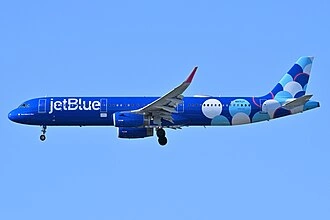
JetBlue Airways has ended operations at Manchester-Boston Regional Airport, creating a significant shift in air connectivity for New Hampshire travellers and reducing the number of convenient nonstop options available between the region and Florida.
The carrier completed its final Manchester operation on 8 July 2026, approximately 18 months after launching flights from the airport in January 2025. Flight B61143 departed Manchester at around 4:40 p.m., bringing JetBlue’s short-lived presence at the regional gateway to a close.
The withdrawal affects travellers who used Manchester as a less congested alternative to Boston Logan International Airport. JetBlue had connected Manchester with Orlando while also operating services to Fort Lauderdale and Southwest Florida International Airport near Fort Myers.
Although the Manchester–Orlando route reportedly maintained an average seat occupancy of about 82%, JetBlue chose to redirect aircraft and crew resources towards markets offering greater strategic value within its wider network.
Aircraft Redeployed to Fort Lauderdale Expansion
JetBlue’s Manchester departure forms part of a broader network adjustment focused on expanding operations at Fort Lauderdale-Hollywood International Airport.
The airline has substantially increased its South Florida schedule following the shutdown of Spirit Airlines, which created additional market opportunities at Fort Lauderdale. JetBlue has introduced new destinations and expanded frequencies as it works to strengthen its position at the Florida airport.
Its summer 2026 programme includes nearly 130 daily departures from Fort Lauderdale, with more than 150 departures expected by the end of the year. This expansion gives the airline greater opportunities to connect travellers across the United States, Latin America and the Caribbean.
JetBlue has described its recent schedule changes as targeted adjustments involving the closure of a small number of underperforming routes and the redeployment of aircraft towards services with stronger customer demand.
For Manchester, however, the decision represents a setback after airport officials worked for years to secure JetBlue flights and supported the launch through promotional efforts intended to build awareness and passenger demand.
Florida Travel Options Remain Available
The end of JetBlue’s service does not remove all direct Florida access from Manchester-Boston Regional Airport.
Southwest Airlines continues to provide nonstop connections from Manchester to Orlando and Tampa, alongside services to Baltimore, Chicago Midway and Nashville. Breeze Airways also maintains a growing leisure-focused presence at the airport, connecting New Hampshire travellers with several underserved destinations.
Nevertheless, JetBlue loyalty programme members and passengers seeking the airline’s wider domestic and international network will generally need to travel to Boston Logan International Airport.
Boston remains one of JetBlue’s most important operating centres, offering an extensive selection of flights to Florida, the Caribbean, Latin America and other destinations across the United States.
The change may therefore increase road travel between New Hampshire and Massachusetts, particularly among passengers who prefer JetBlue or require broader connecting options.
Smaller Airport Convenience Affected
Manchester-Boston Regional Airport has long positioned itself as a convenient alternative to larger airports in the New England region.
The airport promotes shorter walking distances, accessible parking and a more manageable terminal experience. These features have attracted passengers seeking to avoid Boston-area congestion, longer security processes and more complicated ground transportation arrangements.
JetBlue’s exit reduces airline competition at Manchester and removes another choice for travellers planning holidays, family visits and winter escapes to Florida.
However, the airport continues to be served by multiple airlines and offers access to hundreds of destinations through nonstop and connecting services. Airport authorities are also expected to continue pursuing new carriers and routes as they seek to strengthen passenger growth.
Manchester handled approximately 1.3 million passengers annually and remains an important transportation asset for southern New Hampshire and northern New England.
Tourism Connectivity Remains Economically Important
Reliable air services at Manchester support more than outbound leisure travel. They also provide access to New Hampshire’s tourism regions, including the White Mountains, Lakes Region, Atlantic coastline and year-round outdoor attractions.
Visitors arriving through Manchester can reach ski resorts, hiking areas, lake communities and seasonal destinations without travelling through central Boston. The airport also supports business activity, employment and visitor spending across the state.
Regional airports remain essential elements of the United States aviation system because they connect smaller communities with national transportation networks and contribute to local economic development.
JetBlue’s departure demonstrates the challenges regional airports face as airlines manage aircraft shortages, higher operating expenses and changing passenger patterns. Even routes with relatively strong seat occupancy can be removed when carriers identify more profitable opportunities elsewhere.
For New Hampshire travellers, Manchester will remain a convenient regional gateway. However, the loss of JetBlue means fewer direct choices, greater reliance on the airport’s remaining carriers and, for some passengers, a longer journey to Boston Logan for future flights.
For more travel news like this, keep reading Global Travel Wire