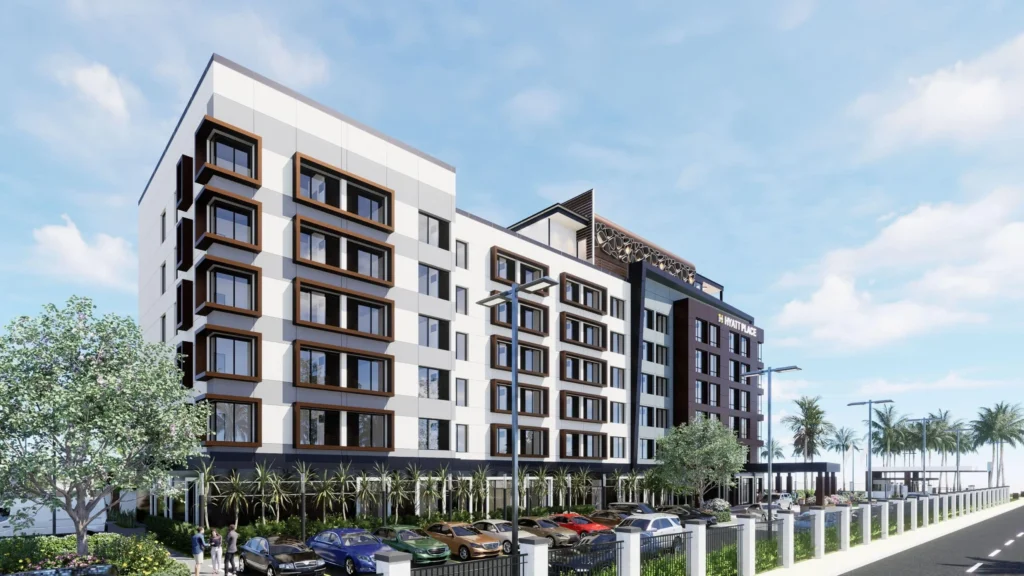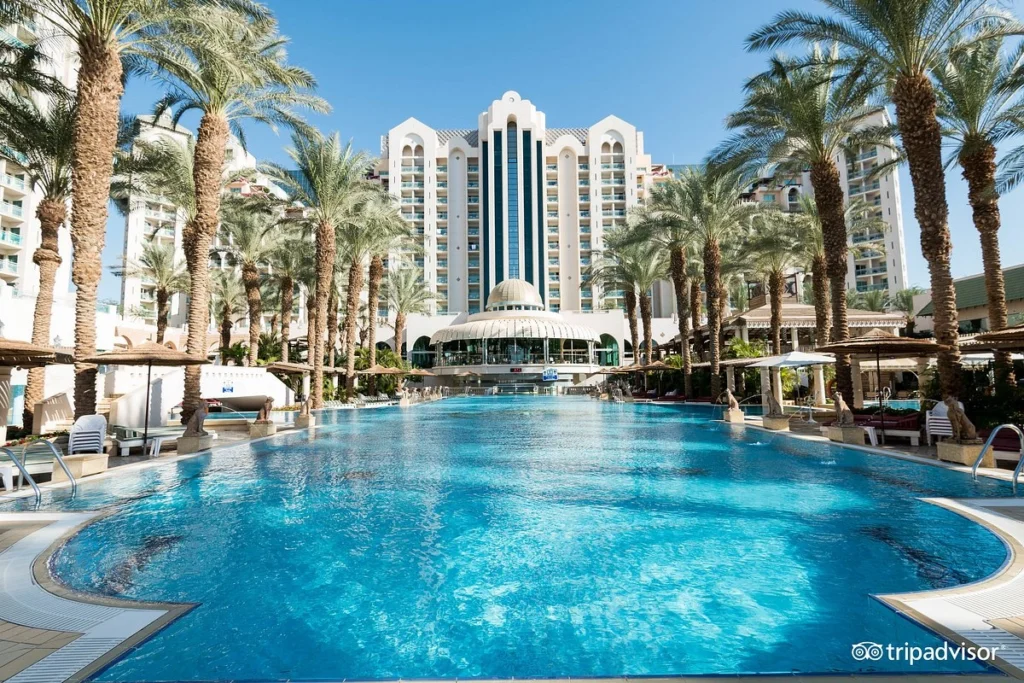
Eilat is entering a major new chapter in luxury tourism as Airport City advances a billion-shekel hospitality investment involving five hotels, approximately 1,100 rooms and the anticipated revival of the landmark Princess Hotel.
The large-scale development could significantly expand premium accommodation capacity in Israel’s southernmost resort city while introducing refreshed hospitality experiences for domestic visitors and overseas travellers from markets including the United States, United Kingdom, Germany and France.
Located between the Red Sea and the Negev Desert, Eilat has traditionally attracted visitors with year-round sunshine, beaches, coral reefs, diving, marine recreation and desert excursions. The proposed hotel expansion is expected to reposition the destination as a more complete luxury holiday hub capable of competing with established regional resort markets.
For travellers, the programme promises a broader selection of accommodation, upgraded leisure facilities and new opportunities to combine coastal relaxation with adventure, wellness and nature-based tourism.
Five Hotels Will Add Around 1,100 Rooms
Airport City’s planned investment is centred on the development of a five-property luxury hotel collection with approximately 1,100 rooms.
The ₪1 billion commitment represents a major vote of confidence in Eilat’s long-term tourism potential. Additional room capacity could help the destination accommodate larger visitor volumes while appealing to travellers searching for premium resorts, family holidays and extended Red Sea stays.
The development may also generate wider economic benefits by supporting construction, hospitality employment, restaurants, retail businesses, tour providers and ground transportation services.
New luxury hotels can encourage longer visits because travellers are more likely to add leisure days when destinations offer high-quality accommodation alongside diverse activities. This could strengthen spending across Eilat rather than concentrating visitor demand within individual resorts.
Princess Hotel Return Adds Landmark Appeal
The anticipated reopening of the Princess Hotel forms one of the most closely watched parts of the tourism revival.
The property, located near Eilat’s southern coastline, was previously recognised as one of the area’s prominent resort landmarks. Bringing it back into operation could reconnect established visitors with a familiar hotel while introducing the property to a new generation of international travellers.
Its revival also provides the investment programme with a distinctive tourism story. Restored landmark hotels can attract attention by combining nostalgia with upgraded design, modern facilities and improved guest services.
Rather than relying entirely on newly constructed accommodation, the Princess Hotel project blends reinvention with the return of an established part of Eilat’s hospitality identity.
Opening schedules, final room categories and bookable dates should still be confirmed directly before travellers make arrangements connected to the renewed property.
Red Sea Experiences Strengthen Eilat’s Appeal
Eilat’s natural setting remains central to its tourism competitiveness.
The city gives visitors access to Red Sea beaches, coral environments, diving areas and marine activities. Its location beside the desert also allows travellers to combine a resort holiday with hiking, off-road excursions, scenic tours and other outdoor experiences.
This mixture may appeal particularly to travellers who want more than a conventional beach stay. A visitor can spend the morning exploring the marine environment, relax at a luxury resort during the afternoon and join a desert experience later in the journey.
The hotel expansion could also support wellness travel, culinary tourism and family-focused holidays by introducing facilities designed around longer and more varied stays.
For international visitors touring Jerusalem, Tel Aviv or other Israeli destinations, Eilat can provide a contrasting resort extension at the end of a cultural or heritage itinerary.
Global Markets Could Drive Premium Demand
Travellers from the United States, United Kingdom, Germany and France represent important potential audiences for Eilat’s upgraded hospitality sector.
American visitors may combine religious, historical and cultural travel with several days beside the Red Sea. British travellers seeking winter sunshine could view Eilat as an alternative to Mediterranean and other short-haul resort destinations.
German visitors may be attracted by the combination of nature, wellness and outdoor activities, while French travellers could pair heritage-focused journeys with a luxury coastal break.
However, the success of the new resorts will depend partly on reliable international access, competitive packages and traveller confidence. Seasonal flight availability can influence how easily overseas tourists reach southern Israel.
Ramon Airport Supports Southern Tourism Access
Ramon Airport serves as Eilat’s principal aviation gateway and is located approximately 19 kilometres north of the city.
The airport was developed to support domestic and international tourism to Eilat, the Arava, the Dead Sea and other southern destinations. Its passenger terminal was designed to handle approximately 1.8 million travellers annually, while its runway can accommodate a wide range of aircraft.
This infrastructure gives Eilat the capacity to support future visitor growth if airline schedules and international demand expand alongside the hotel market.
Travellers should nevertheless verify current routes, entry requirements and official travel advisories before booking, as airline operations can change according to season and regional conditions.
Investment Could Redefine Eilat’s Tourism Future
The Eilat luxury tourism revival is more than a hotel construction programme. It represents an effort to reshape perceptions of the city as a premium international Red Sea destination.
With five planned hotels, 1,100 additional rooms and the expected return of the Princess Hotel, Eilat could offer a stronger combination of modern hospitality, coastal recreation and desert exploration.
Its long-term success will depend on service quality, transport connectivity and the ability to deliver distinctive experiences. However, the billion-shekel investment gives travellers a clear signal that Eilat is preparing for a more ambitious era of luxury tourism.
For more travel news like this, keep reading Global Travel Wire