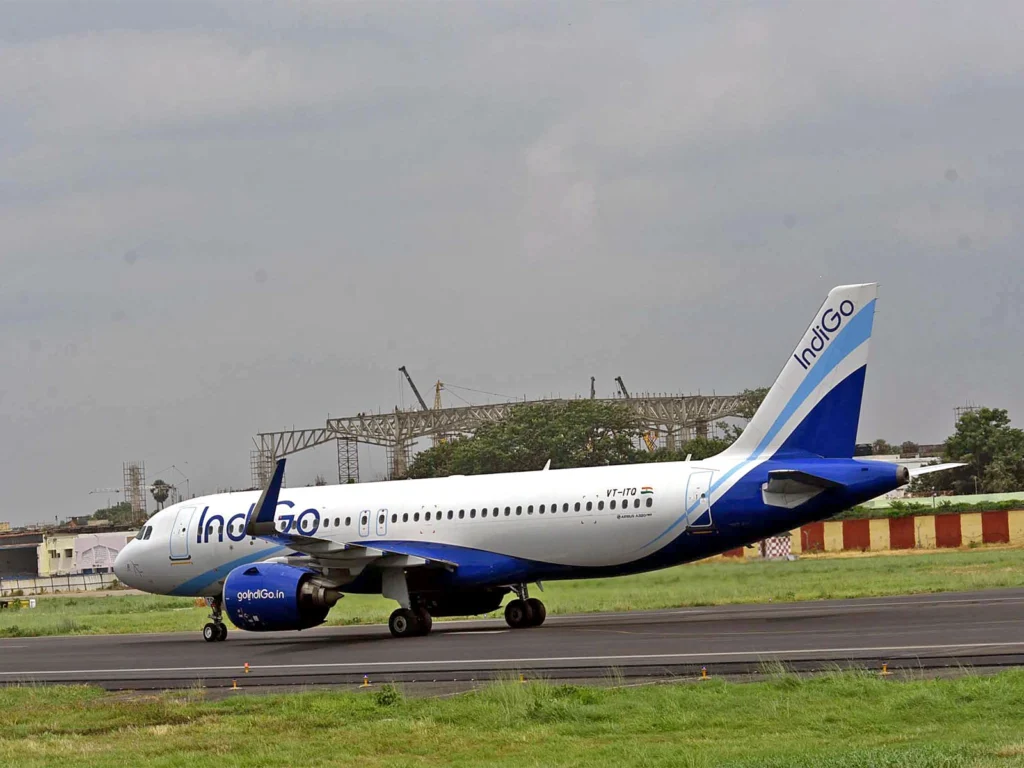
IndiGo is strengthening air connectivity and tourism growth across Northeast India as all its operations at Guwahati’s Lokapriya Gopinath Bordoloi International Airport shift to the newly developed Terminal 2 from July 20, 2026.
From 12:01 a.m., every IndiGo arrival and departure will operate through the new integrated facility. Passengers must report directly to Terminal 2 for check-in, security screening, boarding, baggage collection and other travel procedures.
The transition marks an important milestone in Guwahati Airport’s modernisation programme. It also places one of India’s largest domestic airline networks inside a more spacious and passenger-focused terminal built to manage increasing travel demand.
For tourists, the move promises a smoother arrival experience at the principal aviation gateway to Assam and several neighbouring northeastern states.
All IndiGo Flights Move to Terminal 2
IndiGo passengers travelling from Guwahati after the transition must no longer use the existing terminal for their journeys.
The new terminal will handle the airline’s complete passenger operation, including departures, arrivals, transfers and baggage services. This consolidated arrangement is expected to reduce confusion and improve movement throughout the airport.
IndiGo connects Guwahati with several major Indian cities, making its relocation significant for the airport’s overall passenger activity.
The airline supports journeys for leisure, business, education, employment and family visits. Its broad network also helps travellers from other regions reach destinations across Northeast India through Guwahati.
Passengers should carefully check their tickets, mobile notifications and airline updates before travelling. Reaching the airport earlier during the initial transition period will help travellers adjust to the new terminal layout.
Modern Facilities Improve Passenger Experience
Terminal 2 has been designed to improve efficiency across key stages of the passenger journey.
The facility brings check-in areas, security zones, boarding gates, arrival sections and baggage services together within a modern terminal environment. Wider circulation areas and organised passenger processing can help reduce congestion during busy travel periods.
Improved signage will guide travellers towards airline counters, security checkpoints, boarding gates and arrival facilities.
Additional airport personnel are also expected to assist passengers as operations settle into the new terminal. These measures will remain particularly important during the first days of the transition.
The upgraded infrastructure could improve the overall airport experience for families, senior travellers, tour groups and visitors unfamiliar with Guwahati.
Assam-Inspired Design Creates a Strong Arrival Experience
The new terminal reflects Assam’s cultural identity through architecture inspired by bamboo and the region’s traditional design heritage.
Bamboo holds deep cultural, environmental and economic importance across Northeast India. Its visual influence gives the terminal a distinctive local character while blending regional inspiration with contemporary airport planning.
This design approach allows visitors to experience a sense of destination immediately after arriving.
For international and domestic tourists, airports often shape the first impression of a place. A terminal that reflects local culture can strengthen destination branding and create a more memorable travel experience.
The combination of modern facilities and Assam-inspired design supports Guwahati’s ambition to emerge as a more prominent tourism and aviation centre.
Guwahati Strengthens Its Gateway Role
Guwahati serves as the primary entry point for many travellers exploring Assam and the wider Northeast.
From the city, tourists can continue towards destinations in Meghalaya, Arunachal Pradesh, Nagaland, Manipur, Mizoram and other parts of the region.
Assam itself offers diverse tourism experiences. Visitors can explore Kaziranga National Park, tea estates, river landscapes, cultural centres and wildlife destinations.
Guwahati also provides access to the Brahmaputra River, Kamakhya Temple and several urban attractions. Improved airport infrastructure could encourage travellers to stay longer before continuing to other destinations.
Better aviation facilities can also support tour operators, hotels, restaurants, transport companies and local guides by making travel planning more convenient.
Rising Demand Requires Greater Airport Capacity
Northeast India has witnessed increasing interest from travellers seeking wildlife, culture, adventure, nature and less crowded destinations.
This growth has created greater demand for reliable flights and modern airport infrastructure.
Terminal 2 is expected to provide the additional capacity required to handle future passenger growth. Efficient processing can also help airlines maintain smoother operations during holiday periods and seasonal traffic peaks.
The relocation of IndiGo operations will accelerate the terminal’s commercial use and test its ability to manage a large volume of daily passengers.
The new facility will also strengthen Guwahati’s role as a regional connection point between metropolitan cities and smaller northeastern destinations.
Tourism and Economic Benefits Could Expand
Improved airport connectivity has a direct influence on tourism investment and regional economic activity.
A more efficient terminal can attract additional passengers, encourage airline growth and support stronger demand for accommodation and destination services.
Business travel may also benefit as Guwahati develops into a stronger commercial and aviation hub.
Local communities could gain from increased demand for transport, hospitality, food services, handicrafts and guided experiences.
The airport’s development therefore extends beyond aviation. It can contribute to a wider tourism ecosystem across Assam and neighbouring states.
A Future-Ready Aviation Hub for Northeast India
IndiGo’s complete transition to Terminal 2 represents a major step in the evolution of Guwahati Airport.
The move combines airline expansion, modern infrastructure, cultural design and improved passenger services within one integrated facility.
For travellers, the immediate benefit will be a more organised and comfortable airport journey. For the tourism sector, the terminal offers greater capacity to welcome rising visitor numbers.
As IndiGo begins operations from the new terminal on July 20, Guwahati will strengthen its position as the leading aviation gateway to Northeast India and a key driver of future regional tourism growth.
For more travel news like this, keep reading Global Travel Wire