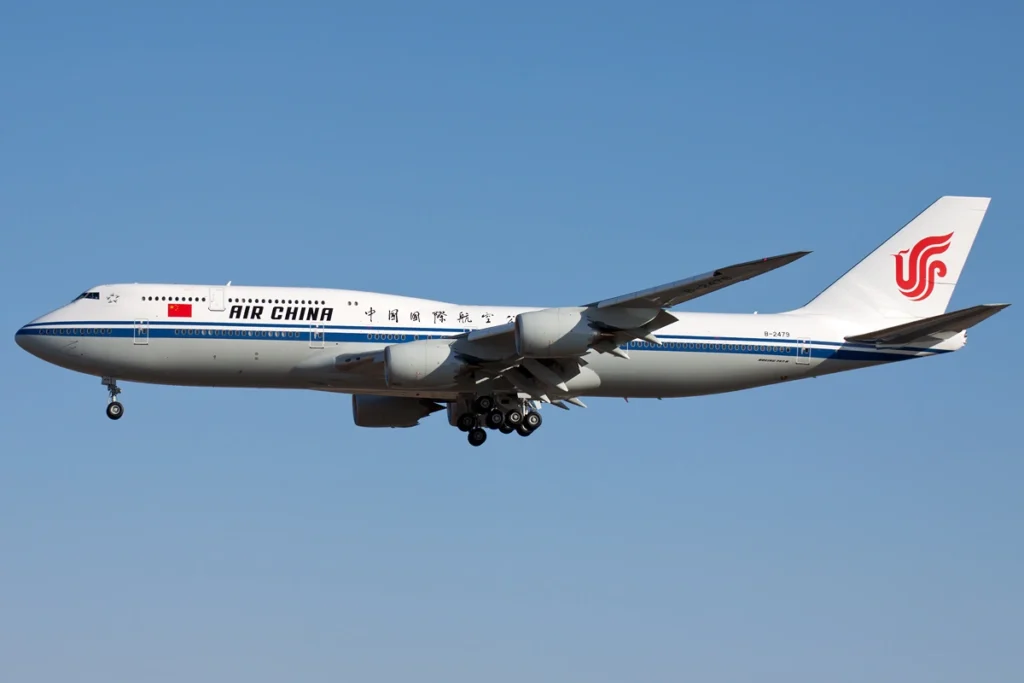
Iceland could enter a significant new phase of tourism growth as Air China prepares to establish scheduled direct connectivity between China and the Nordic destination.
The planned service could make Iceland easier to reach for Chinese travellers while reducing dependence on connecting flights through other European or Asian airports. It could also support a more balanced flow of visitors throughout the year.
Final operating details, including the departure city, launch date, frequency and ticket-sale schedule, remain subject to an official airline announcement. However, the prospect of direct flights has already created strong expectations across Iceland’s tourism and hospitality sectors.
Chinese visitors have historically represented an important long-haul market for Iceland, especially during months outside the busy European summer season. Improved access could therefore benefit winter tourism, hotels, tour operators, restaurants and local transport providers.
Direct Connectivity Could Simplify Long-Haul Travel
Travelling between China and Iceland currently often requires at least one connection, adding time and complexity to the journey.
A scheduled Air China service could provide a more convenient option for leisure travellers, organised groups and passengers connecting from other cities through the airline’s wider domestic and international network.
Direct access may also encourage travellers who previously considered Iceland too difficult to reach. Families, older visitors and passengers joining organised tours could particularly benefit from a simpler itinerary.
The route could also strengthen Iceland’s position within the Asian outbound travel market. China represents a large source of international travellers seeking distinctive landscapes, cultural experiences and premium overseas holidays.
Closer aviation links may additionally support business travel, trade exchanges and cultural cooperation between the two countries.
Chinese Visitors Could Strengthen Winter Demand
One of the most important potential benefits involves Iceland’s quieter tourism months.
Chinese holiday periods do not always follow the same seasonal pattern as travel demand from Europe and North America. Lunar New Year can create strong international demand during winter, while China’s National Day holiday period can support overseas travel in early October.
These periods align with Iceland’s efforts to attract more visitors beyond the June-to-August peak.
Winter travellers can experience snow-covered landscapes, geothermal bathing, glacier adventures and longer nights suitable for Northern Lights viewing. Reykjavík also offers museums, restaurants, cultural attractions and access to guided excursions during the colder season.
A stronger Chinese market could help businesses maintain activity, employment and revenue across more months of the year.
However, Northern Lights sightings always depend on weather, cloud cover and atmospheric conditions. Tourism providers must therefore promote flexible itineraries rather than guaranteed sightings.
Nature-Based Experiences Match Market Demand
Iceland’s natural environment gives the destination a strong position among travellers interested in photography, adventure and unusual landscapes.
Visitors can explore waterfalls, volcanic areas, glaciers, black-sand coastlines, lava fields and geothermal attractions. Popular itineraries may include Reykjavík, the Golden Circle, the South Coast and the Reykjanes Peninsula.
Chinese travellers may choose different styles of travel. Some will prefer organised group programmes with guides and scheduled attractions. Others may seek independent road trips, luxury escapes, photography tours or wellness-focused holidays.
Tourism businesses could respond by developing specialised packages for different visitor profiles.
Winter photography programmes, geothermal wellness stays, premium small-group tours and guided nature experiences may become particularly attractive. Clear information about weather, clothing, road conditions and daylight hours will also remain essential.
Hotels and Local Businesses Could Benefit
More consistent arrivals from China could create opportunities across Iceland’s wider visitor economy.
Hotels may gain additional demand during periods when summer occupancy has eased. Restaurants, vehicle rental companies, guides, retailers and activity providers could also benefit from stronger off-season bookings.
Tourism growth may extend beyond Reykjavík if carefully designed itineraries encourage visitors to explore regional destinations. This could distribute economic benefits across more communities while reducing pressure on the most heavily visited attractions.
Airline and destination marketing will play an important role in converting the new connectivity into confirmed bookings.
Joint promotions involving Air China, Icelandic tourism organisations and travel companies could increase awareness of Iceland in major Chinese cities.
Digital communication, payment preferences, language support and culturally informed services may also influence the destination’s ability to attract returning visitors.
Responsible Tourism Standards Remain Essential
The prospect of increased arrivals also places greater importance on responsible tourism management.
Tour operators and travel agencies working in Iceland must follow applicable licensing requirements. Professional guiding, legal passenger transport and compliance with safety rules remain essential across all visitor markets.
Iceland’s rapidly changing weather and natural environment require careful preparation. Visitors need accurate guidance before entering glaciers, remote roads, beaches or volcanic areas.
Tourism growth must also protect sensitive landscapes and respect local communities. Expanding travel beyond the summer peak can support sustainability by distributing demand more evenly, but visitor management will remain necessary at popular locations.
Iceland Builds a More Global Visitor Economy
Air China’s planned direct flights could represent much more than another international route.
The connection has the potential to diversify Iceland’s tourism markets, strengthen winter demand and create more stable year-round activity. It could also make the country more competitive among Chinese travellers searching for distinctive European experiences.
Official route details will determine the scale and immediate impact of the service. Frequency, scheduling and onward connectivity will influence how successfully the flights attract leisure and group travel.
Nevertheless, direct China–Iceland connectivity could open an important new chapter for both aviation and tourism.
By combining easier access with responsible visitor management, Iceland can welcome more Chinese travellers while supporting hospitality businesses, regional economies and sustainable tourism growth beyond the traditional summer peak.
For more travel news like this, keep reading Global Travel Wire