Morocco is accelerating one of the most ambitious tourism and hospitality expansion programmes in Africa as it prepares to co-host the 2030 FIFA World Cup with Spain and Portugal.
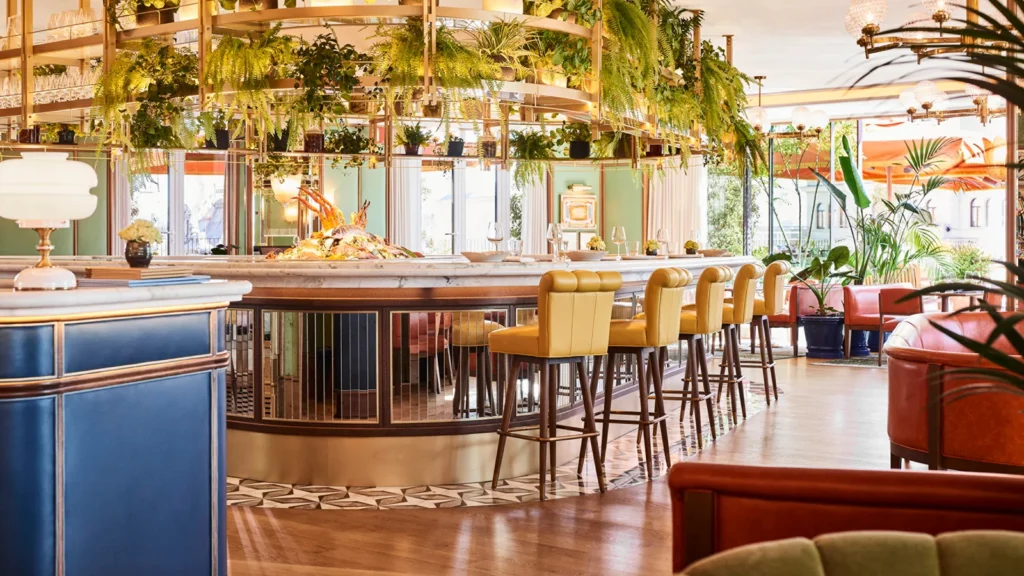
The North African destination is planning approximately 60,000 additional hotel beds, significantly expanding accommodation capacity ahead of an expected surge in international demand.
At the same time, large-scale investment in airports, railways, roads, stadiums and urban infrastructure is reshaping how visitors will travel across the country.
The strategy extends far beyond football.
Morocco’s long-term tourism vision targets 26 million annual visitors by 2030, positioning the World Cup as a catalyst for sustained growth in hospitality, aviation, business events and regional tourism. Morocco’s official tourism roadmap confirms the 26-million-visitor ambition, while FIFA has formally appointed Morocco, Spain and Portugal as the main hosts of the 2030 tournament.
60,000 hotel beds reshape hospitality capacity
Adding roughly 60,000 beds represents a major expansion of Morocco’s accommodation ecosystem.
New rooms and hospitality projects will be important for handling the concentrated demand created by an international sporting event of the World Cup’s scale.
However, the investment also supports longer-term visitor growth.
Marrakech, Agadir, Casablanca, Tangier, Rabat and other tourism centres are expected to benefit as investors respond to rising demand across leisure, business, events and premium travel.
The expansion could also encourage greater diversification.
Instead of concentrating visitors in Morocco’s best-known tourism centres, improved accommodation capacity can support secondary destinations and emerging tourism regions.
That creates opportunities for cultural tourism, coastal holidays, desert experiences, gastronomy and rural travel.
Tourism growth strengthens Morocco’s global position
Morocco’s visitor economy has expanded rapidly.
Official government figures recorded 17.4 million tourist arrivals in 2024, representing a 20% increase from the previous year and placing the country ahead of earlier tourism roadmap targets.
Growth continued into 2025, with 11.6 million visitors recorded by the end of July alone, according to Morocco’s Ministry of Tourism.
This momentum provides a strong foundation for the 2030 target.
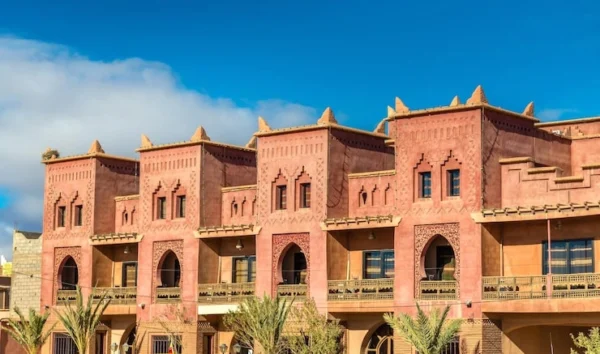
Morocco’s appeal is supported by a diverse tourism product covering imperial cities, Atlantic and Mediterranean coastlines, desert landscapes, mountain regions, cuisine, heritage and luxury hospitality.
Football has also strengthened global awareness.
Morocco reached the FIFA World Cup semi-finals in 2022 and advanced to the quarter-finals at the 2026 tournament before losing 2-0 to France on July 9, further reinforcing the country’s sporting visibility.
Airports and railways become tourism priorities
Accommodation growth alone cannot support millions of additional visitors.
Transport infrastructure is therefore central to Morocco’s tourism transformation.
Airport capacity, rail connectivity, roads and urban transport systems are being strengthened to improve movement between host cities and major visitor destinations.
For tourists, these investments could make multi-city itineraries easier.
Visitors attending football matches in one city may also extend their stay to Marrakech, Rabat, Fez, Agadir, Tangier or desert regions.
Improved connectivity can encourage longer stays and distribute visitor spending more widely.
Rail development is particularly important because efficient intercity transport allows travellers to combine multiple destinations without relying entirely on domestic flights or private vehicles.
Rabat gains importance alongside Marrakech and Agadir
Morocco is also seeking to broaden tourism demand beyond its traditional hotspots.
Marrakech remains an international tourism powerhouse, while Agadir continues to attract beach and resort travellers.
However, Rabat is increasingly positioned as a destination for culture, government-related travel, business events and major sporting occasions.
Investment in stadiums, public spaces, transport and hospitality can strengthen the capital’s appeal to international visitors.
This broader regional strategy supports more balanced tourism development.
Spreading demand across multiple cities can reduce pressure on established destinations while creating new opportunities for hotels, restaurants, transport providers and local attractions.
Aviation connectivity will drive international growth
Air access remains another major pillar of Morocco’s tourism ambitions.
Strong connections with Europe already support substantial visitor flows, but future growth will increasingly depend on broader international markets.
Improved links with North America, the Middle East, Asia and other African destinations could help Morocco attract higher-value travellers and reduce dependence on a limited number of source markets.
Expanded aviation capacity will also be essential during the World Cup, when large numbers of supporters will move between Morocco, Spain and Portugal.
For airlines and airports, the tournament offers an opportunity to establish routes that could remain commercially valuable after 2030.
World Cup investment creates a lasting tourism legacy
Morocco’s strategy shows how major sporting events can become tools for long-term tourism development.
The 2030 FIFA World Cup will create an extraordinary short-term demand surge, but the larger opportunity lies in what remains afterwards.
New hotels can serve future leisure and business travellers.
Expanded airports can support new airline routes.
Improved railways can make regional tourism easier.
Modern urban infrastructure can strengthen the visitor experience while benefiting residents.
With its official target of 26 million annual tourists by 2030, Morocco is clearly treating the tournament as part of a much broader economic vision.
The combination of 60,000 additional hotel beds, expanding transport infrastructure and growing global visibility places Morocco at the centre of a major African tourism transformation.
By the time the world arrives for football in 2030, the country aims to offer far more than stadiums and matches.
It is building the accommodation, connectivity and destination infrastructure needed to turn a global sporting moment into a lasting tourism legacy.
For more travel news like this, keep reading Global Travel Wire