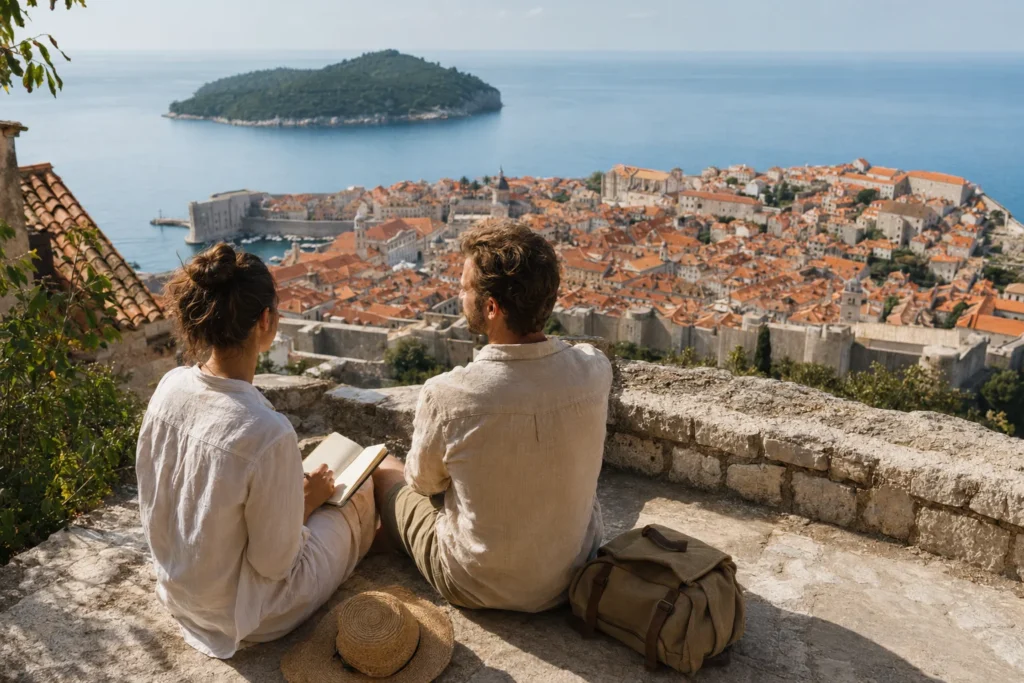
The global travel sector is undergoing a remarkable transformation as vacationers increasingly swap screen-dominated routines for health-conscious offline breaks. Leading this international shift is Croatia’s historical coastal jewel, Dubrovnik, which has emerged as the premier city for travelers seeking a screen-free summer escape. Standardized evaluations measuring urban walkability, public safety ratings, green space access, and outdoor recreational opportunities show that pedestrian-centric historic centers are ideal environments for digital wellness.
As digital fatigue affects millions of travelers worldwide, choosing destinations that naturally foster offline habits has become an essential aspect of trip planning. Travelers are prioritizing safe, walkable urban spaces where eye strain can be reduced through immersive outdoor experiences rather than constant mobile device usage.
The Global Shift Toward Screen-Free Travel and Digital Wellness
For years, international travel revolved around constant digital connectivity, real-time social sharing, and continuous map navigation. However, tourism data and public health frameworks reveal growing consumer demand for digital wellness. Vacationers are actively seeking destinations that allow them to disconnect from notifications and screen exposure.
Prolonged screen engagement during travel contributes to digital eye strain, physical fatigue, and reduced mindfulness. Official tourism strategies increasingly reflect this shift, moving focus toward sustainable, outdoor-oriented travel itineraries. By choosing destinations designed around pedestrian access, historic architecture, and expansive public parks, visitors can easily immerse themselves in their immediate physical surroundings without relying continuously on handheld screens.
Evaluating Key Metrics for Digital Detox Travel
Evaluating a city’s suitability for an offline vacation depends on several core metrics that influence how easily tourists can put away their mobile devices. High safety ratings ensure that visitors feel confident exploring unfamiliar neighborhoods on foot without constant digital oversight. High walkability indexes allow travelers to navigate seamlessly using physical signage or paper maps rather than real-time navigation software.
Green space coverage and nature access play an equally crucial role. Expansive public parks, botanical gardens, and protected coastal zones give eyes a natural break from back-lit displays. When cities offer hundreds of accessible outdoor attractions, travelers naturally replace screen time with active physical recreation.
Leading Global Destinations for Screen-Free Escapes
Standardized index evaluations highlight how historic cultural centers across Europe and key global hubs support offline travel habits:
Dubrovnik, Croatia: Securing top marks across digital detox evaluations, Dubrovnik combines a public safety score of 82.2, over 38 percent green space coverage, and a walkability index of 91. Its car-free Old Town and coastal nature reserves allow visitors to explore without checking mobile devices.
Budapest, Hungary: Ranking high due to an impressive 47 percent green space coverage and a walkability index of 98, the Hungarian capital provides vast urban parks and historic riverfront promenades ideal for screen-free strolling.
Hanoi, Vietnam: Hanoi stands out for outdoor variety, featuring thousands of outdoor attractions alongside high pedestrian activity and an affordable daily travel framework.
Rome and Florence, Italy: Renowned for pedestrian-friendly historical cores, these Italian hubs offer walkability scores approaching 100 alongside hundreds of open-air monuments and urban gardens.
Split, Croatia: Following close behind Dubrovnik, Split blends coastal walking paths, historic Roman architecture, and access to protected forest parks like Marjan.
Madrid, Spain and Palermo, Italy: Both southern European destinations offer vibrant street life, high walkability, and extensive public plazas that encourage social interaction over screen consumption.
Bali, Indonesia and Yerevan, Armenia: Bali excels in natural park access and landscape diversity, while Yerevan provides travelers with exceptionally high safety scores and walkable downtown districts.
Official Tourism Strategies Prioritizing Walkable Communities
National tourist boards and municipal ministries are aligning their development strategies with these evolving traveler preferences. Public announcements from the Croatian National Tourist Board and the Ministry of Tourism and Sport highlight ongoing investments in sustainable tourism models. Strategic goals focus on preserving cultural heritage, extending tourism beyond peak months, and managing visitor movement through upgraded pedestrian infrastructure.
Municipal leaders in historic cities emphasize that high walkability and expanded public green zones protect local quality of life while offering visitors high-quality experiences. By developing integrated cultural passes, pedestrianized city centers, and accessible park networks, tourism authorities enable visitors to experience cities authentically on foot.
Practical Recommendations for an Effective Offline Holiday
Travelers planning a screen-free vacation can take practical steps to maximize their digital wellness while exploring top-ranked destinations:
Download Offline Resources in Advance: Store essential travel details or carry paper guidebooks and maps before departing to eliminate the need for live mobile navigation.
Schedule Daily Park Visits: Plan afternoons around major public gardens and nature reserves to allow natural light and distant horizons to rest your eyes.
Set Clear Digital Boundaries: Use device settings to limit non-essential notifications and restrict mobile usage to dedicated times each day.
Prioritize Walkable Neighborhoods: Select accommodations within car-free historic centers or pedestrian zones where daily sight-seeing can be accomplished entirely on foot.
The Future Outlook for Health-Focused Sustainable Tourism
Looking ahead, global tourism growth will increasingly depend on destination sustainability, environmental quality, and public wellness infrastructure. Tourism ministries are shifting marketing campaigns toward health-conscious, screen-free, and year-round travel experiences. As remote work and digital exposure remain high worldwide, cities that promote safe, green, and pedestrian-friendly environments will hold a distinct advantage in attracting modern international travelers.
For more travel news like this, keep reading Global Travel Wire