Travel Tech Hub Day 2026 will bring travel executives, technology developers, investors and corporate mobility specialists to São Paulo on August 24, strengthening Brazil’s position in Latin America’s rapidly expanding digital tourism economy.
The third edition will take place at the Tivoli Mofarrej hotel in São Paulo. Organisers describe it as Brazil’s largest travel technology event, with a programme designed around innovation, artificial intelligence and the technologies changing tourism operations.
Participation from Brazil, Argentina and other international markets is expected to create opportunities for cross-border partnerships. Airlines, hotels, travel management companies, startups and technology providers can use the gathering to examine solutions that improve bookings, payments, customer communication and operational efficiency.
The conference also reinforces São Paulo’s appeal as a business travel destination. Delegates attending the programme can generate demand for accommodation, aviation, restaurants, ground transport and professional event services.
Artificial intelligence takes centre stage
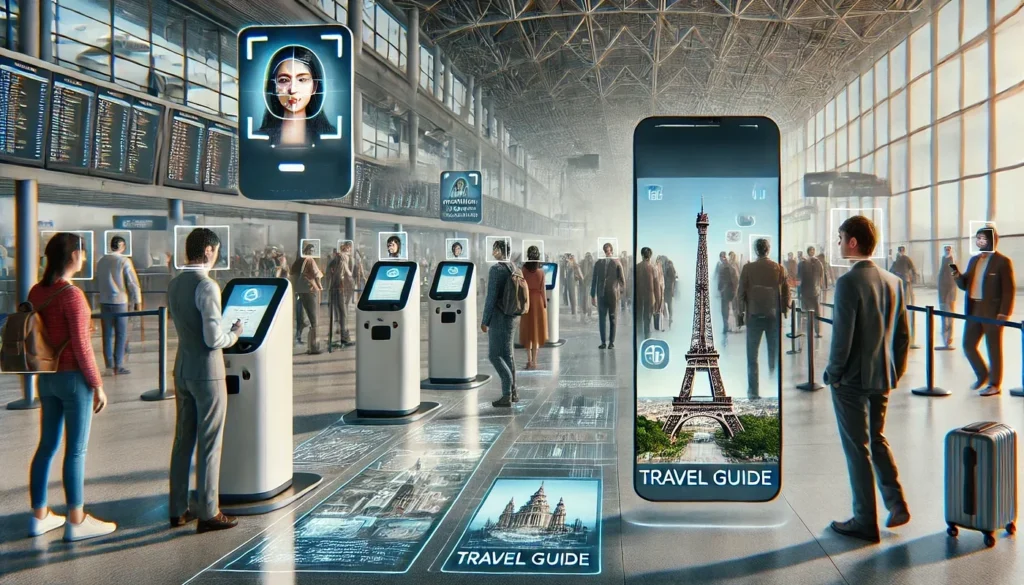
Artificial intelligence is expected to dominate discussions as travel businesses search for faster and more personalised ways to serve customers.
Travel platforms are increasingly using AI to interpret complex requests, recommend suitable products and automate routine customer support. Corporate travel companies can also apply intelligent systems to analyse expenses, enforce company policies and respond more efficiently when journeys are disrupted.
For hotels, AI can support demand forecasting, personalised marketing and revenue management. Airlines and travel agencies can use automation to process enquiries while allowing employees to focus on complicated cases requiring human judgement.
However, industry leaders must also address accuracy, privacy and transparency. Travellers need to know when they are interacting with automated systems and how their personal information supports recommendations.
Travel Tech Hub Day provides a setting where technology companies can demonstrate practical applications instead of discussing AI only as a future possibility.
Corporate travel drives digital investment
Business travel remains one of the most active areas for technology investment in Latin America.
Companies want booking tools that offer control over expenditure without making journeys difficult for employees. Integrated platforms can bring reservations, payments, reporting and expense management into one digital environment.
Real-time information is equally important. Travel managers need to identify where employees are during disruptions and communicate quickly when flights, weather events or security conditions affect itineraries.
The event is expected to connect corporate buyers with technology suppliers offering automation, mobility and financial-management products. These conversations could influence how companies design travel programmes across Brazil and neighbouring markets.
São Paulo is especially relevant to this discussion because it is a major corporate, financial and aviation centre with substantial demand for domestic and international business travel.
Hospitality technology reshapes guest experiences
Hotels and tourism businesses are also investing heavily in digital transformation.
Modern property systems can combine reservations, pricing, customer profiles and operational information. This allows accommodation providers to understand demand more clearly and personalise services throughout the guest journey.
Digital payments, automated check-in and mobile communication can reduce waiting times. Meanwhile, advanced revenue platforms can help hotels adjust rates according to changing market conditions.
These capabilities matter in a competitive destination such as São Paulo, where hotels serve corporate travellers, exhibition visitors and leisure tourists throughout the year.
Technology providers attending Travel Tech Hub Day can build relationships with hotel companies looking for practical solutions that improve efficiency without weakening personal hospitality.
Startups gain access to industry leaders
The conference will also provide an important platform for travel startups.
New businesses often develop solutions faster than larger organisations, particularly in fields such as artificial intelligence, payments, data analytics and traveller communication. However, they require customers, investment and established industry partners to expand.
Direct meetings with executives and investors can help founders test their ideas against real operational needs. Established travel companies can simultaneously identify tools that may strengthen their services without requiring long internal development programmes.
São Paulo’s established business and investment environment makes it an attractive location for these exchanges. The city is widely regarded as one of Latin America’s leading commercial and technology centres.
Regional cooperation expands opportunities
International participation can strengthen cooperation among travel markets across Latin America.
Brazil and Argentina already generate significant regional visitor flows. Improved digital distribution, payment systems and customer support could make cross-border journeys easier while helping companies reach travellers in different languages and currencies.
Technology partnerships may also support smaller destinations that lack the resources of major tourism centres. Shared platforms can improve destination marketing, visitor information and access to international sales channels.
As companies from additional countries join the event, São Paulo will become a temporary marketplace for ideas and partnerships extending far beyond Brazil.
Event strengthens São Paulo tourism
Travel Tech Hub Day demonstrates how technology conferences can contribute directly to tourism.
Delegates require flights, hotel rooms, meals and local transportation. Many may extend their stay for meetings or leisure activities, distributing economic benefits across the city’s visitor economy.
More importantly, the event strengthens São Paulo’s image as a destination where tourism, finance and technological innovation converge.
As AI and automation influence every stage of travel, events connecting developers with tourism professionals are becoming increasingly valuable. Travel Tech Hub Day 2026 will give Brazil, Argentina and other participating markets an opportunity to shape that transformation together.
By hosting the industry at Tivoli Mofarrej, São Paulo is reinforcing its position as a leading Latin American centre for corporate travel, investment and digital tourism innovation.
For more travel news like this, keep reading Global Travel Wire