Tanzania is introducing mandatory electronic payments across tourism, hospitality, transport and other specified commercial activities, marking a significant shift toward a more transparent and digitally connected visitor economy.
The reform requires qualifying transactions to move through recognised electronic payment channels rather than relying primarily on cash. Hotels, restaurants, tourism businesses and transport providers must therefore review how they collect money, document payments and reconcile transactions.
The policy forms part of Tanzania’s wider strategy to improve revenue administration, reduce unrecorded transactions and strengthen financial security. It could also create a more consistent payment experience for visitors moving between airports, hotels, attractions and safari destinations.
However, successful implementation will depend on reliable networks, affordable merchant services and practical support for small tourism enterprises operating in remote areas.
Hotels and Tourism Services Face New Requirements
The government’s programme places accommodation, food, beverages and tourism-related services among the activities covered by digital payment requirements.
The scope extends beyond major hotels in Dar es Salaam, Arusha and Zanzibar. It may also affect lodges, guesthouses, restaurants, guides and businesses serving visitors along wildlife and cultural tourism circuits.
Operators must ensure they have recognised electronic collection facilities and accurate transaction records. They will also need employees who can confirm payments, issue receipts and respond appropriately when networks or electricity services become unavailable.
Large hospitality groups may already accept cards, online transfers and mobile payments. Smaller businesses could face greater challenges because of connectivity limitations, transaction charges and restricted access to merchant accounts.
Digital Readiness Becomes Important for Licensing
The reform goes beyond requiring businesses to accept electronic payments.
Access to a compliant digital payment facility is expected to become an important condition when businesses apply for or renew operating licences. The official framework identifies Lipa Namba and TANQR among the tools that can demonstrate digital payment readiness.
This creates an immediate compliance priority for tourism companies. Businesses must ensure that their merchant details match the legal identity shown on their licences and tax records.
An operator without an accepted collection channel could experience difficulties during licensing procedures. Tourism businesses should therefore confirm specific requirements with their local licensing authorities and regulated payment providers before submitting applications.
TANQR and Lipa Namba Support Merchant Payments
Lipa Namba is a registered merchant number that allows customers to send electronic payments directly to a business.
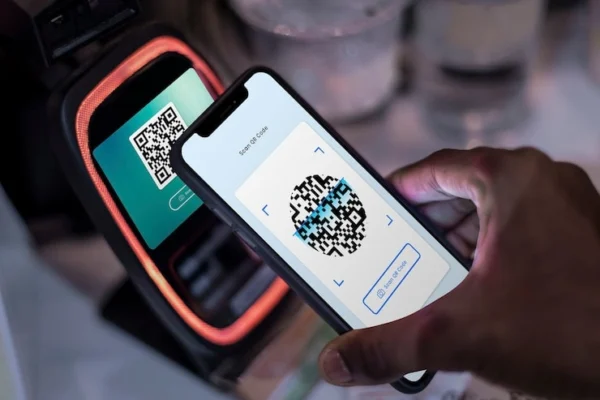
TANQR is Tanzania’s standardised quick-response-code system for merchant transactions. Customers can scan a displayed code or enter a merchant number through a participating mobile or banking service.
Before approving a payment, users can verify the business name, transaction amount and applicable charges. This process helps reduce errors and provides both the customer and merchant with an electronic record.
The systems can allow smaller tourism businesses to receive digital payments without depending entirely on conventional card terminals. This could be useful for guides, restaurants, transport operators and community tourism enterprises.
Transport Services Join the Cashless Economy
The mandatory payment framework also covers important parts of Tanzania’s public and commercial transport network.
Digital payment requirements apply to specified fares, charges and levies associated with bus rapid transit, ferries, bridges, long-distance buses, ride-hailing services, aviation, railways and parking facilities.
For travelers, the change could create a more traceable journey from arrival to departure. Visitors may increasingly pay digitally for airport transport, railway travel, ferry connections and accommodation through connected electronic systems.
However, international travelers may not have access to locally issued mobile-money accounts. Authorities and businesses must therefore provide clear guidance and payment choices that support foreign cards or other internationally accessible methods.
Electronic Transactions Record Rapid Growth
Tanzania’s digital payment infrastructure has already expanded considerably.
The Tanzania Instant Payment System processed approximately 651 million transactions worth TZS54.95 trillion in 2025. This compared with around 453 million transactions valued at TZS29.82 trillion in 2024.
The platform supports instant transfers, merchant QR payments and government transactions through connected banks and mobile networks.
These figures show that Tanzania already has a substantial foundation for cashless commerce. Nevertheless, service availability and reliability may differ between major cities and remote tourism areas.
Travelers Should Carry Several Payment Options
International visitors should expect electronic payments to become increasingly common at hotels, restaurants, transport services and tourism businesses.
Travelers should carry an internationally enabled card and maintain access to secure online banking. They should also confirm accepted payment methods with hotels and tour operators before arrival.
Some small merchants may not accept foreign cards, while local mobile services could require a Tanzanian telephone number or supported account.
Visitors should retain digital receipts for accommodation deposits, safari packages, transport bookings and other high-value purchases. These records can help resolve payment questions and confirm services already purchased.
Cashless Reform Could Strengthen Tourism Transparency
Digital payments can help formalise tourism activity and provide clearer information about visitor spending.
Reliable records may help businesses demonstrate turnover, apply for financing and maintain more accurate tax and accounting information. Tourism authorities could also gain better insight into expenditure across accommodation, food, transportation and experiences.
The reform took effect within Tanzania’s 2026–27 financial framework, placing digital readiness at the centre of tourism operations.
Its long-term success will depend on cybersecurity, consumer protection, reasonable charges and reliable access for small businesses.
For Tanzania’s tourism industry, digital payments are no longer simply a convenient customer-service option. They are becoming a fundamental requirement for compliance, competitiveness and future growth.
For more travel news like this, keep reading Global Travel Wire