Europe is accelerating the development of smarter tourism destinations as digital tools, shared data and new technology become increasingly important for managing record visitor demand, improving traveller experiences and supporting sustainable destination growth.
The emerging smart tourism model moves beyond measuring success simply through arrival numbers. Instead, destinations are increasingly using information about visitor movements, seasonal demand, transport patterns and local capacity to guide tourism development more efficiently.
This transition comes as Europe manages exceptionally strong tourism activity. According to the supplied European tourism material, overnight stays across tourist accommodation in the European Union surpassed three billion in 2025, highlighting both the strength of visitor demand and the pressure facing popular destinations.
Digital transformation is therefore becoming closely connected with Europe’s wider tourism priorities, including competitiveness, sustainability, accessibility and resilience.
European Tourism Data Space strengthens destination planning
One of the most important initiatives behind this transition is the Common European Tourism Data Space.
The project is designed to improve the way tourism information is shared between destinations, businesses and public authorities. Better access to reliable data could allow tourism organisations to understand visitor behaviour more accurately and make decisions based on changing conditions.
Traditionally, destinations have relied heavily on historical statistics such as annual arrivals and overnight stays.
Digital systems could allow authorities to move toward more detailed and timely information, including periods of high demand, movement between attractions and pressure on transportation infrastructure.
That could be particularly useful for cities, coastal areas and major cultural destinations dealing with concentrated visitor flows.
Digital tools could help manage overcrowding
Europe’s tourism success also creates significant destination-management challenges.
Large numbers of visitors can contribute strongly to local economies, yet excessive concentration can increase pressure on transport systems, public spaces, housing, cultural attractions and natural resources.
Data-driven management could help tourism authorities respond earlier.
Instead of waiting until congestion becomes severe, destinations could identify peak periods, understand where travellers are moving and encourage visitors toward alternative neighbourhoods, attractions or travel times.
Transport planning could also benefit.
Information about visitor demand could help cities adjust mobility services, improve connections between attractions and support more efficient movement through busy tourism areas.
For travellers, that could eventually mean shorter queues, better transport options and less crowded experiences.
Smart destinations combine technology and sustainability
Europe’s smart tourism strategy extends beyond digital applications.
The wider objective is to combine technology with accessibility, environmental responsibility, cultural preservation and quality of life for local communities.
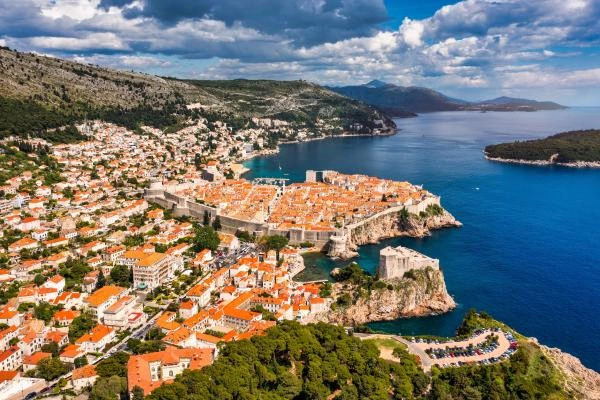
Tampere in Finland and Dubrovnik in Croatia have been named European Capitals of Smart Tourism for 2026, reflecting the growing emphasis on destinations that combine digital innovation with broader sustainability goals.
These initiatives demonstrate how cities can use technology to improve visitor experiences without focusing exclusively on increasing arrival numbers.
For tourism authorities, the challenge is increasingly to attract the right visitors at the right time while distributing economic benefits more effectively across destinations.
Travellers could receive more personalised experiences
The digital transformation could also change how visitors interact with European destinations.
Connected tourism platforms, artificial intelligence, data analytics and smart mobility services could provide travellers with more relevant information during their journeys.
Visitors may receive recommendations based on location, interests, transport availability or crowding conditions.
Digital systems could also make it easier to discover lesser-known attractions, helping spread tourism spending beyond established hotspots.
This could benefit travellers seeking more authentic or less crowded experiences while supporting businesses located outside the most visited districts.
Hotels, restaurants, attractions and transport providers could also use better data to adjust services according to changing visitor demand.
Tourism remains a major European economic force
The economic importance of smarter tourism management is substantial.
The supplied material indicates that tourism can contribute as much as €857.3 billion, equivalent to around 7.8% of European Union gross value added depending on the measurement method used.
The sector also supports approximately 20.7 million jobs.
Protecting that contribution requires destinations to manage visitor growth carefully.
Overcrowding, infrastructure pressure and environmental damage can weaken the quality of the tourism experience if growth is not managed effectively.
Digital transformation offers destinations tools to balance economic benefits with social and environmental priorities.
Businesses gain from stronger tourism data
Better tourism information could also strengthen the competitiveness of European businesses.
Hotels could better understand seasonal demand. Attractions could anticipate visitor flows. Transport companies could align services with changing travel patterns, while destination organisations could develop more targeted international campaigns.
Smaller tourism companies may particularly benefit if shared digital infrastructure gives them access to information that previously required expensive technology or research.
However, technology alone will not determine success.
Cooperation between governments, businesses, tourism organisations and communities will remain essential, alongside responsible data management and investment in digital skills.
Europe prepares tourism for its next growth phase
Europe’s emerging smart tourism network reflects a broader transformation in how destinations measure success.
Future tourism strategies are likely to focus increasingly on visitor quality, sustainability, efficient infrastructure and the ability to adapt quickly to changing travel behaviour.
The European Tourism Data Space, smart destination programmes and wider digital transformation initiatives provide the foundation for that shift.
As visitor demand continues growing, Europe is moving toward a tourism model where technology does more than help travellers find destinations.
It could increasingly determine how destinations manage crowds, support businesses, protect communities and create smoother visitor experiences.
For global tourism, Europe’s approach demonstrates how data and digital innovation could become central to building destinations that remain competitive while managing growth more responsibly.
For more travel news like this, keep reading Global Travel Wire