Official international arrival data compiled by UN Tourism reveals a sharp 39.2% decline in international visitor arrivals to Iran during January and February 2026 compared to the same period in 2025. This contraction highlights the immediate impact of regional security advisories, widespread flight cancellations, and systemic transportation bottlenecks across key transit corridors in the Middle East.
The drop in inbound visitation reflects broader challenges impacting leisure, cultural, and group travel itineraries across historic Persian hubs, including Tehran, Isfahan, Shiraz, and Yazd. With aviation authorities and major commercial carriers adjusting flight patterns to navigate regional airspace restrictions, international tour operators have scaled back scheduled packages, altering transit dynamics across the region.
Official Data Breakdown and Key Performance Metrics
According to statistical figures published by UN Tourism, the initial two months of 2026 recorded a significant reduction in foreign visitor volumes. The downturn represents one of the steepest bi-monthly drops in recent years, reversing previous momentum in post-pandemic regional travel recovery.
Several primary drivers have contributed to this decline, ranging from government-issued travel warnings to strict financial operating constraints:
International Visitor Arrivals: Dropped by 39.2% year-over-year for January–February 2026, stemming primarily from geopolitical volatility and risk assessments by global travel bodies.
Aviation Route Stability: Commercial flight schedules faced extensive disruptions, forcing international carriers to reduce frequencies or suspend direct flights into primary Iranian gateways.
Banking and Payment Constraints: Comprehensive international banking restrictions continue to prevent the use of global credit cards, debit networks, and digital payment systems inside the country.
Travel Insurance Policies: Elevated government travel advisories triggered standard policy exclusions, leaving conventional international travel insurance void for visitors entering designated risk zones.
Flight Suspensions and Middle East Transit Corridors
Air transport remains the primary engine for international leisure and business travel into the region. UN Tourism statistical monitoring indicates that the contraction in foreign arrivals is tied directly to reduced connectivity at international gateway airports. Major aviation hubs across neighboring countries have experienced route reconfigurations, leading to increased transit times, higher ticket costs, and localized connection delays.
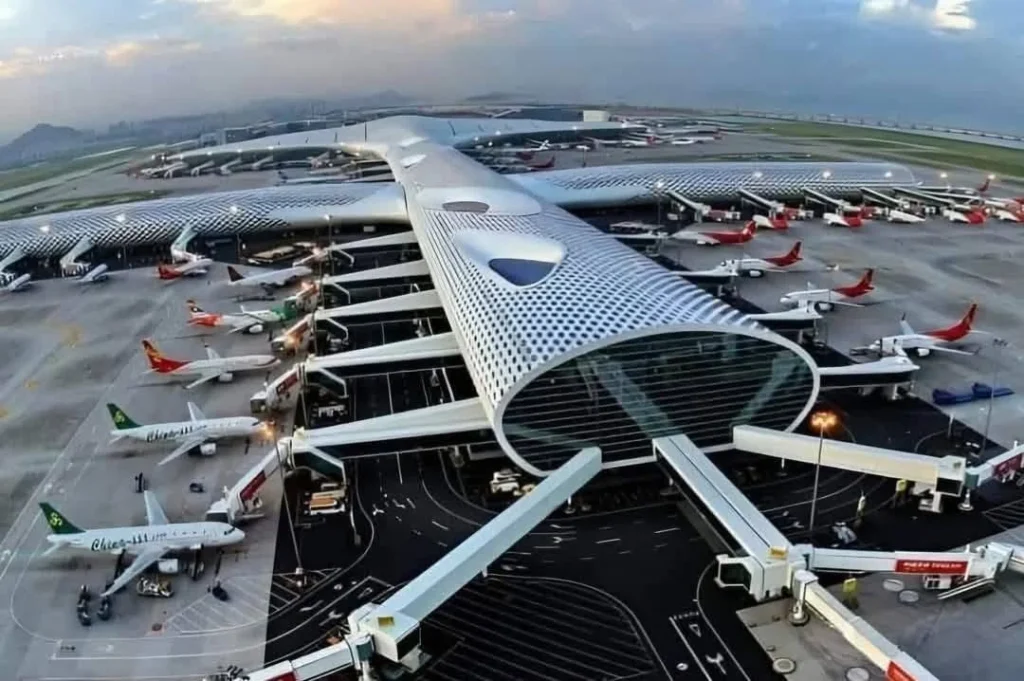
Tehran Imam Khomeini International Airport, the main international gateway for the country, has operated with reduced international carrier schedules. Travelers seeking entry have increasingly relied on indirect routing through secondary regional hubs such as Istanbul and Dubai.
Regional airports in cultural centers, including Isfahan International Airport and Shiraz International Airport, have seen foreign air service decline to minimal levels. As direct regional flights face frequent adjustments, local transport operators have relied more heavily on overland transfer arrangements and domestic rail links to connect travelers between major urban centers.
Financial Operations and Ground Logistics for Visitors
In addition to transport disruptions, international visitors encounter unique financial and operational requirements upon entry. Global banking restrictions keep the nation disconnected from major international financial networks. Foreign travelers cannot clear transactions using international credit or debit cards, requiring all purchases, lodging settlements, and tour payments to be conducted in physical foreign currency.
Official tourism guidelines emphasize that visitors must carry sufficient paper currency, primarily Euros or United States Dollars, to exchange at government-licensed currency exchange offices, known locally as sarafi. Standard commercial banks and ATM networks do not service foreign accounts, creating additional planning considerations for independent travelers and organized tour groups alike.
Insurance coverage presents a parallel logistical barrier. Because major international travel insurers exclude coverage for nations subject to high-level government travel warnings, incoming visitors must secure specialized insurance underwriters equipped to cover emergency medical care, travel delays, and evacuation coverage under non-standard travel conditions.
Economic Impact on Heritage Sites and Hospitality Infrastructure
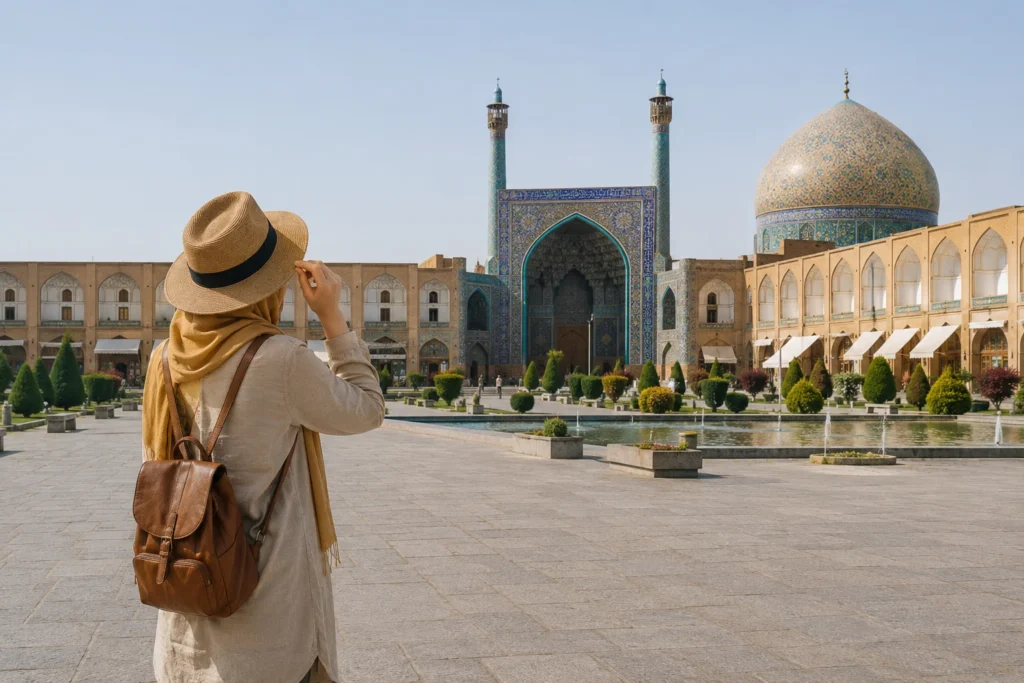
The 39.2% decrease in international arrivals exerts substantial pressure on Iran’s cultural heritage and domestic hospitality sectors. Key historic cities that depend heavily on international tourism revenue—such as Isfahan, known for its UNESCO-listed Naghsh-e Jahan Square, and Shiraz, the gateway to ancient Persepolis—are experiencing lower hotel occupancy rates and reduced souvenir and artisan sales.
Official statements from regional tourism development bodies note that foreign currency expenditures by international tourists play a critical role in funding the preservation, maintenance, and promotion of national heritage sites. The decline in group bookings directly affects independent tour guides, boutique heritage hotels, transportation providers, and local handicraft craftsmen who rely on steady international visitor flows.
Hospitality providers have adjusted operations by pivoting toward domestic tourism markets and offering altered regional packages. However, domestic visitation alone has not fully offset the foreign exchange loss caused by the drop in long-haul international visitors.
Travel Advisory Guidelines and Official Recommendations
For travelers, logistics coordinators, and tour operators navigating regional transit during periods of heightened security alerts, official tourism authorities recommend adhering to structured contingency protocols:
Daily Carrier Verification: Regularly confirm flight statuses and connection itineraries through hub carriers operating out of Istanbul or Dubai, as flight schedules into Tehran remain subject to swift operational revisions.
Pre-Arranged Overland Transit: Coordinate private driver services or utilize the national rail network for intercity transfers between Tehran, Isfahan, and Shiraz, ensuring reliable transit when domestic flight schedules experience delays.
Consular Registration: Register travel plans and location details with home nation embassies or official diplomatic missions prior to arrival to receive timely safety updates and administrative notices.
Specialized Coverage Verification: Verify that all travel insurance policies explicitly state valid coverage within the region, ensuring medical expense protection is active throughout the stay.
As official tourism bodies and global monitoring agencies continue to track regional travel metrics throughout 2026, industry recovery will remain closely linked to the stabilization of commercial air corridors, updated travel advisories, and the restoration of international flight schedules.
For more travel news like this, keep reading Global Travel Wire