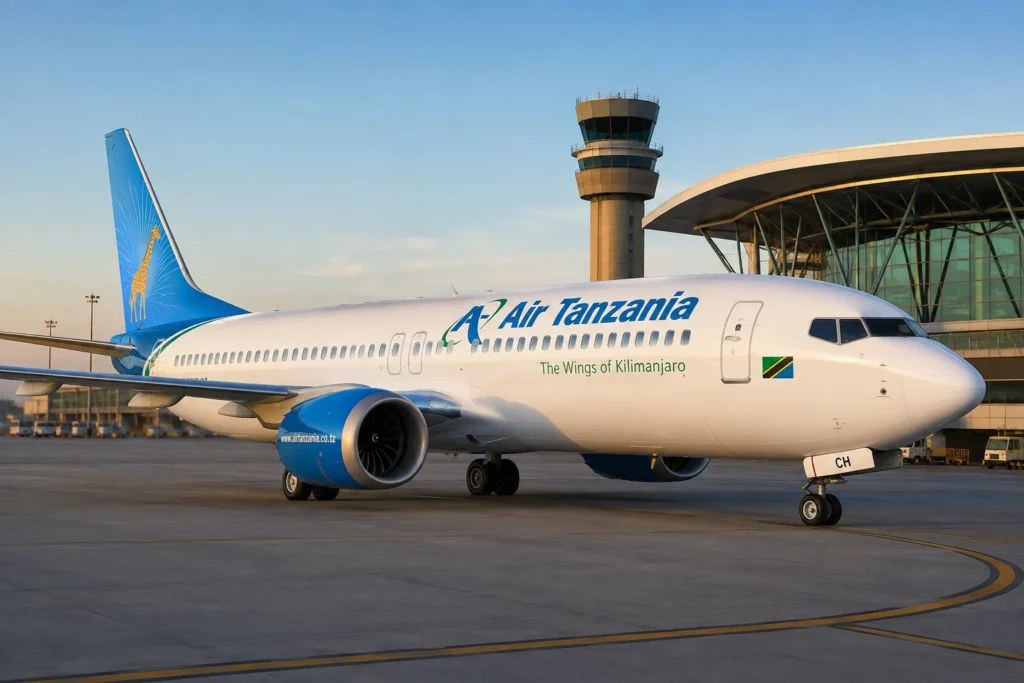
Air Tanzania, the national carrier of the United Republic of Tanzania operating proudly under the banner “The Wings of Kilimanjaro,” has selected global travel technology provider Sabre to power its next phase of commercial growth. By migrating its core operations to the SabreSonic Passenger Service System and adopting Sabre Mosaic New Distribution Capability (NDC) technology, the airline is establishing a modernized retailing foundation designed to streamline bookings, expand international routes, and elevate the overall travel experience for tourists visiting East Africa.
The technology migration comes at a pivotal moment for Tanzania’s aviation and travel sectors. Official tourism board releases and Ministry of Natural Resources and Tourism statistics highlight air transport as the primary gateway for international visitors exploring iconic world heritage sites, including Serengeti National Park, Mount Kilimanjaro, Ngorongoro Crater, and the Spice Island of Zanzibar. By deploying flexible, AI-native passenger systems, Air Tanzania aims to improve operational efficiency while offering seamless digital access to international and regional travelers.
Modern Retailing Technology to Streamline East Africa Travel
Under the multi-year technology agreement, Air Tanzania will transition its core reservations, ticketing, inventory, and departure control systems to Sabre on an accelerated timeline. The modernization eliminates legacy technology friction and integrates NDC capabilities directly into the carrier’s primary passenger platform.
This architecture enables the airline to dynamically create, optimize, and distribute personalized airfares and travel offers across global distribution channels. Travelers booking flights to or within Tanzania can expect a more customized, transparent booking process with tailored ancillaries, flexible baggage options, and simplified itinerary management across multiple flight legs.
According to statements from Air Tanzania management, selecting a modular, cloud-native technology platform ensures the airline can scale its commercial operations sustainably while remaining agile as global distribution standards evolve. SabreSonic PSS and Sabre Mosaic NDC IT provide the technical framework necessary to strengthen codeshare and interline alliances with partner carriers, making multi-airline connections into East Africa significantly smoother for international holidaymakers and business travelers alike.
Expanding Global Horizons: Connecting Tanzania to Key International Hubs
Headquartered at Julius Nyerere International Airport in Dar es Salaam, Air Tanzania operates an active fleet of 16 modern aircraft. The operational lineup includes long-haul Boeing 787-8 Dreamliners, fuel-efficient Airbus A220-300 jets, Boeing 737 MAX 9 aircraft, Bombardier Dash 8-Q400 and Q300 turboprops, alongside dedicated freighter capacity. Together, these aircraft maintain more than 120 weekly scheduled flights across a network spanning over 35 domestic, regional, and international destinations.
The migration to Sabre technology directly supports Air Tanzania’s strategy to broaden its global flight footprint. The national carrier has outlined route expansion plans to establish direct air links with high-demand international markets, including Jeddah in Saudi Arabia, Beijing in China, London in the United Kingdom, Juba in South Sudan, and Maputo in Mozambique, subject to final regulatory approvals and operational readiness.
Direct air connectivity remains a fundamental driver for tourist arrivals. Official government statements emphasize that direct long-haul flights combined with simplified booking systems reduce transit times and lower travel friction, making Tanzania an increasingly accessible destination for leisure seekers, wildlife photographers, cultural tourists, and adventure travelers from Europe, Asia, and the Middle East.
Elevating Passenger Convenience with Personalized Offer Management
Beyond core booking infrastructure, the adoption of Sabre Mosaic NDC IT enables Air Tanzania to implement modern, offer-and-order-based retailing strategies. Traditional airline reservation models often restrict how services are bundled and sold. The transition to NDC technology allows the airline to present real-time inventory and rich media directly to travel agencies, online travel portals, and corporate travel managers worldwide.
For passengers, this transition translates to a modernized storefront experience. Travel consumers gain access to transparent pricing, clear cabin product descriptions, customized seat selection, priority baggage handling, and seamless payment options. Furthermore, the partnership creates future pathways for integrating advanced operational tools, including automated disruption management, smart payments, and optimized flight scheduling insights.
Official representatives from Sabre noted that modular airline technology provides carriers with the flexibility to modernize at their own pace while providing smart pricing and personalized experiences. By equipping Air Tanzania with flexible distribution tools, the partnership reinforces the carrier’s competitive standing in the rapidly growing African aviation ecosystem.
Supporting Strategic Economic Goals and Sustainable Tourism Infrastructure
Tourism serves as a pillar of Tanzania’s macroeconomic stability, contributing significantly to national gross domestic product, foreign exchange earnings, and employment creation across hospitality, conservation, and transport sectors. Government transport initiatives emphasize that expanding state-owned airline connectivity works hand in hand with airport infrastructure upgrades, national park airstrip rehabilitation, and regional transit development.
Air Tanzania’s investment in digital transformation ensures that as passenger traffic grows, the carrier maintains high operational reliability, IATA Operational Safety Audit (IOSA) certification standards, and superior service delivery. By aligning modern fleet assets with world-class travel technology, “The Wings of Kilimanjaro” continues to build a future-ready airline that drives economic development, supports sustainable tourism expansion, and connects East Africa with the rest of the world.
For more travel news like this, keep reading Global Travel Wire