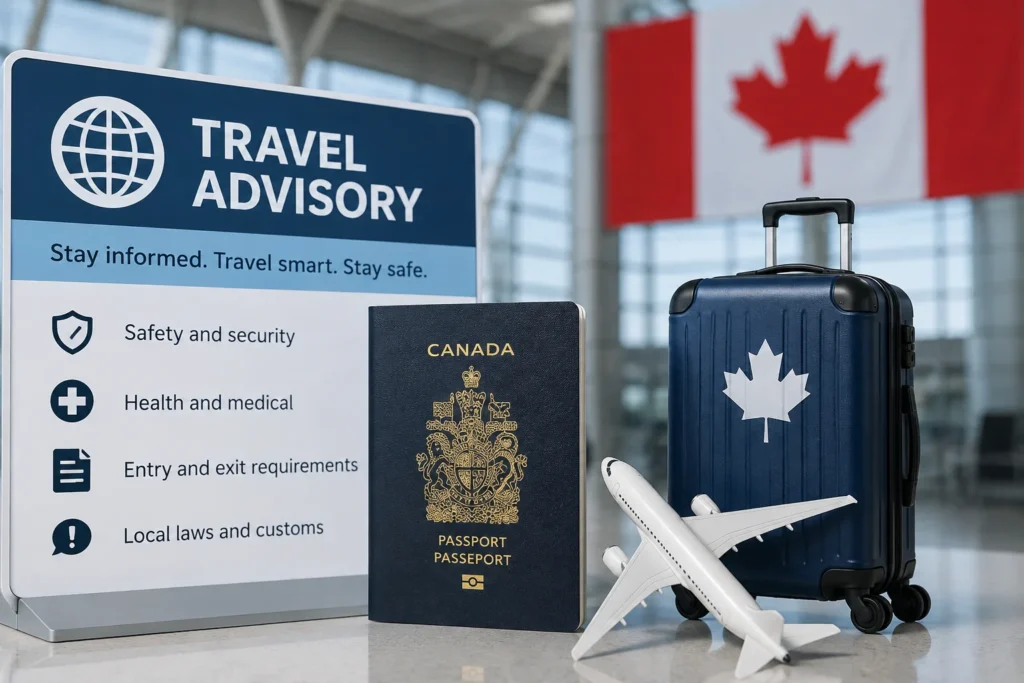
Global Affairs Canada has refreshed its official international travel advice, urging citizens to review updated entry rules, regional health guidelines, and safety conditions before embarking on trips abroad. The updated guidance addresses key international travel corridors across North America, the Caribbean, Europe, and Asia.
Rather than restricting outbound travel, this government guidance helps Canadian tourists navigate potential disruptions. Regional weather alerts, transportation bottlenecks, and shifting legal requirements can impact itineraries. By conducting thorough pre-departure research through official public channels, travelers can reduce unexpected risks and enjoy seamless journeys.
Strategic Planning for Outbound Canadian Travel
The international tourism sector relies on informed travelers who understand local safety standards. Canadian corporate travelers and travel agencies maintain active partnerships with international destination management organizations. Direct flight capacity and established travel corridors continue to support both business trips and leisure holidays, bolstering the global travel economy.
Official advisories emphasize that conditions at foreign destinations can shift rapidly. Staying aware of regional infrastructure updates, border checkpoint processing, and local public safety notices allows international tourists to make well-informed decisions throughout their trips.
Border Rules and Regional Conditions for the United States and Mexico
The United States remains the top destination for outbound Canadian travel, supported by close economic connections and convenient transport routes. Millions of Canadians cross land borders and pass through airport terminals annually for shopping, road trips, and family visits. Travelers must verify current border documentation rules, such as NEXUS guidelines and Western Hemisphere Travel Initiative compliant identification, to ensure swift processing at border crossings.
Mexico continues to draw steady tourist traffic to major coastal resort destinations like Cancún, Riviera Maya, Los Cabos, and Puerto Vallarta. Because regional safety conditions vary significantly across Mexican states, official guidance advises travelers to examine destination-specific security levels, avoid non-essential travel to high-risk areas, and follow local municipal instructions.
Caribbean Resort Travel and Weather Preparedness
Caribbean cruise routes and island destinations remain highly favored by Canadian tourists seeking tropical vacations. However, seasonal weather patterns require careful itinerary planning.
The Caribbean hurricane season, spanning from June through November, brings heightened potential for severe storms. Extreme weather can alter cruise itineraries, delay flight schedules, and affect local infrastructure. Tourism updates recommend monitoring atmospheric tracking reports and securing travel insurance policies that provide coverage for weather delays, unexpected trip cancellations, and emergency medical care.
Health alerts in warm climates also emphasize safe food and water practices. Travelers visiting resort areas should review local health guidelines to avoid foodborne illnesses and maintain well-being throughout their stay.
Transit Regulations Across Europe and Asia
European destinations attract high volumes of Canadian tourists interested in historic cultural sites, regional rail networks, and culinary experiences. Updated advisories highlight the importance of reviewing evolving entry policies across the European continent.
A key point of focus for European travel is the European Travel Information and Authorization System. While the European Union is developing this digital border system, official announcements confirm that it remains non-operational, with no application processing active. Canadian travelers are cautioned to rely exclusively on official European Union portals for genuine timeline updates and to remain vigilant against unofficial third-party application websites.
Destinations across Asia and the Middle East also attract growing numbers of leisure and business travelers. Because legal structures, cultural regulations, and visa requirements differ across Asian nations, travelers must consult official government destination guides to understand local legal obligations before arrival.
Comprehensive Safety Checklist for International Tourists
Proper preparation ensures safer international travel. Official consular services recommend following a structured checklist before leaving Canada:
Register Travel Details: Sign up for the voluntary Registration of Canadians Abroad service via official federal channels. This free service enables consular officials to send safety updates and contact travelers during localized emergencies or natural disasters.
Verify Passport Validity: Check that your passport remains valid for at least six months beyond your planned return date, particularly when visiting European Schengen countries. Keep physical copies of travel insurance paperwork, medical records, and accommodation bookings accessible.
Obtain Comprehensive Insurance: Confirm that your travel insurance includes emergency medical treatment, medical evacuation, and coverage for unexpected travel disruptions.
Practice Local Health and Safety Care: Follow public health guidance, sample local culinary dishes safely, consume bottled water where recommended, and remain aware of personal belongings in crowded transit hubs.
Building Responsible Global Tourism Networks
The long-term success of international tourism depends on open communication between governments, aviation authorities, and tourism boards. By promoting responsible travel choices and maintaining clear safety advisories, destination authorities foster safer conditions for global visitors.
Sustainable tourism strategies, low-carbon transit initiatives at international airports, and seasonal travel distribution help protect environmental resources while preserving local heritage sites. Through informed planning and adherence to official travel advisories, Canadian travelers can continue exploring international destinations safely and responsibly.
For more travel news like this, keep reading Global Travel Wire