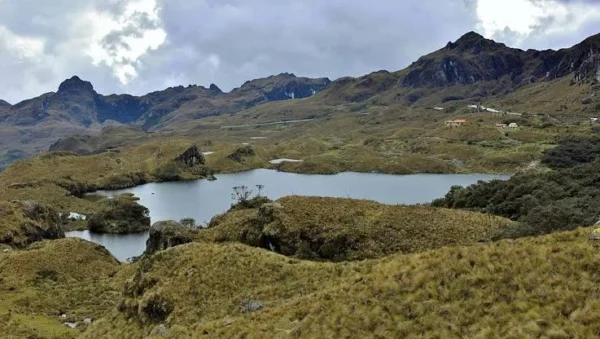
Changing weather conditions across Peru, Chile and Bolivia are creating new concerns for travellers navigating the Andes, one of South America’s most important tourism regions.
Official monitoring in Peru has identified short-term intense rainfall risks, while precipitation including rain, snow, sleet and hail remains possible in parts of the central and southern highlands. Strong winds and difficult mountain conditions can further complicate travel.
Chile continues recovering from destructive winter weather that recently caused flooding, landslides and transport interruptions in several regions. Bolivia is also monitoring weather hazards, although current alerts vary by area and do not indicate one continuous emergency across the entire Andes.
There is no verified official basis for claiming that fresh floods are simultaneously ravaging every major tourism destination in the three countries. However, the combination of rainfall, snow, wind and unstable terrain demands caution on remote routes.
Peru weather warning raises travel concerns
Peru’s National Service of Meteorology and Hydrology issued short-term guidance for intense rainfall beginning on August 29. Monitoring also indicated precipitation across parts of the Andean highlands.
Rain in high-altitude regions can be accompanied by snow, hail, sleet, electrical activity and strong wind gusts. These conditions may reduce visibility, affect road surfaces and increase exposure on remote trekking routes.
The Andes support much of Peru’s international tourism economy. Cusco, the Sacred Valley, Machu Picchu, Rainbow Mountain and numerous community destinations depend on reliable roads, railways and walking trails.
A weather warning does not mean that every attraction is closed. However, disruption to a single transport connection can affect an entire itinerary.
Travellers heading towards Machu Picchu depend on several linked services. These may include flights to Cusco, road transfers, mountain railways, buses and pedestrian routes.
Visitors should therefore confirm each stage of their journey rather than assuming that an open archaeological site guarantees uninterrupted access.
Machu Picchu network needs close monitoring
Machu Picchu remains one of South America’s most recognised tourism destinations. Its wider visitor economy supports hotels, restaurants, guides, porters, transport companies and artisans across the Cusco region.
Mountain weather can affect that network even when the citadel itself remains operational. Landslides may block roads or rail corridors, while snow and heavy rain can make trekking routes dangerous.
Visitors planning the Inca Trail or another organised trek should follow instructions from authorised operators and local authorities. Independent travel into exposed mountain areas requires especially careful preparation.
Travellers should carry waterproof clothing, warm layers and essential medicines. Flexible bookings can also provide protection when transport operators change schedules for safety reasons.
Chile recovery highlights connectivity risks
Chile’s recent winter emergency showed how quickly severe weather can damage regional connectivity. Official response operations reported flooding, landslides and interrupted routes following heavy precipitation.
During the July crisis, more than 16,000 people were reported isolated at one stage. Authorities deployed humanitarian assistance while working to restore services and road access in affected areas.
Those figures relate to the earlier Chilean emergency and should not be interpreted as a new nationwide tourism shutdown. Nevertheless, the event offers an important warning for visitors heading into natural areas.
Chile’s tourism industry depends heavily on national parks, mountain roads, coastal landscapes, glaciers and adventure activities. Weather-related route damage can restrict access long after rainfall begins to ease.
Travellers planning hiking, camping or scenic driving should consult official regional conditions. Park access and road status may differ sharply between destinations.
Bolivia conditions vary across regions
Bolivia’s high-altitude tourism landscape also demands careful monitoring. Official weather systems issue regional alerts for hazards including wind, temperatures, storms and hydrological conditions.
The country’s best-known visitor routes include La Paz, Lake Titicaca, mountain trekking areas and the Salar de Uyuni. Each destination has a different climate and transport profile.
Travellers should not assume that a warning in one department applies across the whole country. Equally, clear weather in a city does not guarantee safe conditions on a distant highland road.
Strong winds can reduce visibility and affect exposed routes. Rain or snow may make unpaved roads harder to navigate, particularly for vehicles travelling between remote communities.
Local operators often have the most practical understanding of route conditions, but official meteorological and civil defence guidance should remain the primary basis for safety decisions.
Local tourism economies remain exposed
Weather disruption affects more than visitors. Andes tourism supports guides, drivers, family-run hotels, restaurants, market traders and Indigenous communities.
When roads close or excursions stop, income can fall immediately. Remote businesses may also face supply shortages when transport links are interrupted.
Tourism authorities and operators therefore need reliable warning systems, alternative routes and clear guest communications. Infrastructure resilience is becoming increasingly important as destinations balance visitor growth with natural hazards.
Travellers urged to verify every connection
Visitors should check forecasts, road conditions, railway operations and attraction access before leaving their accommodation. They should avoid flooded crossings, unstable slopes and closed mountain routes.
Travel insurance should cover weather-related delays where possible. Itineraries should include buffer time between remote excursions and international departures.
The Andes remain open across many destinations, and current conditions do not represent a single region-wide tourism closure. Still, the latest official monitoring reinforces a clear message: South America’s mountain journeys require flexible planning, trusted information and a willingness to postpone activities when weather threatens safe access.
For more travel news like this, keep reading Global Travel Wire