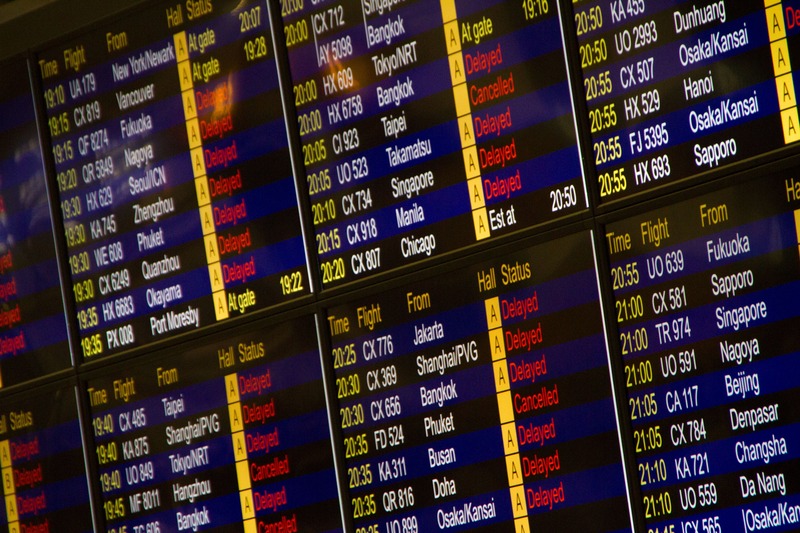
Travelers across the United States are facing another difficult stretch in the skies as severe thunderstorms in the Northeast force the Federal Aviation Administration (FAA) to halt flights at 10 major US airports, adding to widespread delays and cancellations nationwide. The weather disruption has put major aviation hubs under pressure, with the impact extending well beyond the storm-affected region as aircraft and crews are pushed off schedule.
For passengers planning to fly through New York, Philadelphia, Boston and other busy Northeast airports, the latest disruption is a reminder that summer weather can quickly reshape the US flight schedule. The FAA has repeatedly used traffic-management measures when thunderstorms make operations unsafe or reduce airport capacity, while its current air-traffic information continues to flag weather-related disruptions at several major airports.
The latest episode is particularly notable because it marks the third consecutive day of FAA flight interruptions at major Northeast airports, according to the report that triggered the latest travel alert. Thunderstorms have affected some of the country’s busiest aviation corridors, creating a ripple effect that can leave travelers far from the original storm facing delayed or cancelled flights.
Northeast Thunderstorms Disrupt Major US Airports
Thunderstorms present a particularly difficult challenge for commercial aviation because their effects are not limited to rainfall. Lightning, strong winds, turbulence and rapidly changing conditions can restrict aircraft movements and reduce the number of flights airports can safely handle.
When severe weather moves across the Northeast, disruption can quickly spread through the heavily travelled airspace connecting major cities. Airports serving New York, Philadelphia, Boston and Washington D.C. are especially important to the national network, meaning interruptions at one location can affect connecting flights elsewhere.
FAA operational information has recently shown weather-related restrictions involving airports including Philadelphia International Airport (PHL) and the Washington-area airports. The FAA’s Philadelphia status page, for example, has reported a traffic-management programme because of thunderstorms and advises passengers to check directly with their airlines for flight-specific information.
Why One Storm Can Cause Nationwide Flight Cancellations
For passengers, a cancellation hundreds of miles from the storm can seem confusing. The reason is that airlines operate interconnected networks rather than isolated routes.
An aircraft scheduled to depart from one airport may first arrive from another city. The same aircraft could then continue to a third destination, while its crew may have additional flights scheduled later in the day. When thunderstorms force ground stops or significant delays at a major hub, that carefully timed sequence can begin to unravel.
The result can be flight delays, cancellations, diversions and missed connections across multiple states. The disruption can also continue after the weather improves because airlines and airports need time to reposition aircraft and crews and restore normal schedules.
This is why the effects of a Northeast thunderstorm can reach far beyond the immediate weather zone.
FAA Uses Ground Stops and Traffic Restrictions
The FAA’s role during severe weather is primarily focused on maintaining the safety and efficiency of the national airspace system. When conditions become unsuitable for normal operations, the agency can introduce measures that restrict or slow traffic into affected airports.
The FAA’s National Airspace System status information shows how thunderstorms can lead to ground delays and traffic-management programmes involving multiple air-traffic facilities. Current FAA operational information also provides continuously updated restrictions and airspace conditions.
These measures may mean that flights are held on the ground before departure, arrivals are slowed or aircraft are redirected to alternative airports. While frustrating for passengers, such controls are intended to prevent aircraft from entering areas where severe weather could compromise safe operations.
Travelers Should Check Flights Before Heading to the Airport
Passengers travelling through the affected region should avoid relying solely on the original departure time shown on their booking. Weather-related changes can happen quickly, particularly when thunderstorms are developing or moving across major flight routes.
The FAA recommends using its air-traffic information for broader operational conditions, while travelers should contact their airline for flight-specific delays, cancellations, rebooking and connection information.
Travelers with connecting flights should pay particular attention to their entire itinerary. A flight that is operating on time at the departure airport can still be affected if the incoming aircraft or connecting airport is experiencing severe weather.
It is also worth allowing additional time at airports where storms are forecast. Even if a flight eventually departs, security queues, gate changes, baggage handling and aircraft repositioning can all be affected during periods of widespread disruption.
Northeast Weather Keeps Aviation Under Pressure
The latest disruption comes as a broader period of unsettled weather affects parts of the eastern United States. Forecast information has pointed to a significant multiday severe-weather threat along the I-95 corridor, including the Northeast and Mid-Atlantic, with risks ranging from damaging winds and heavy rainfall to flash flooding and severe thunderstorms.
For the aviation industry, the timing and location of these storms are especially important. The Northeast contains some of the most heavily travelled airports and air routes in the country, so even relatively short periods of restricted operations can have an outsized impact on the national flight network.
As the weather pattern continues to develop, airlines and airports will likely remain dependent on updated forecasts and FAA traffic-management decisions to determine how quickly schedules can return to normal.
What Travelers Can Expect Next
The latest FAA restrictions highlight how quickly US flight cancellations and delays can escalate when severe thunderstorms move through a busy aviation corridor. Although weather-related interruptions are often temporary, the effects can linger as airlines work through aircraft, crew and passenger backlogs.
For travelers, flexibility is likely to be the most useful strategy. Checking airline notifications before leaving for the airport, allowing extra time for connections and having a backup plan can make a difficult travel day somewhat easier.
For now, the message for passengers is simple: the storm may pass, but its impact on flight schedules can take longer to clear. With major Northeast airports closely connected to the rest of the US aviation network, travelers should continue monitoring their airline and FAA updates before setting out.