Venice, Paris and other leading European destinations are preparing a major wave of luxury hotel openings across 2026 and 2027. The pipeline includes restored palaces, lakeside retreats, alpine resorts and highly personalised urban hotels.
Italy stands at the centre of this hospitality expansion. Venice alone is expecting several headline properties, while Florence, Cortina d’Ampezzo and Lake Como are attracting significant luxury investment.
Meanwhile, Paris, London, Madrid, Gstaad and the Greek island of Paros are preparing distinctive new properties. These hotels will compete through heritage, wellness, gastronomy, design and stronger connections with their destinations.
The developments reflect growing demand from affluent travellers who want more than premium guestrooms. Guests increasingly seek culturally meaningful stays, local experiences and service shaped around their individual journeys.
Opening schedules can change as complex restoration projects progress. However, the concentration of announced developments points to sustained confidence in Europe’s high-value tourism market.
Venice attracts landmark transformations
Venice is emerging as one of Europe’s most active luxury hospitality destinations. Several international operators are converting historically significant buildings into hotels designed around the city’s architecture and cultural identity.
Orient Express Venezia is expected to occupy a restored 15th-century palazzo. The project plans to combine luxury rooms and suites with historic interiors and a refined dining experience.
Airelles Palladio Venezia is also scheduled to strengthen the city’s premium accommodation market. Its concept combines heritage buildings, landscaped gardens, restaurants, pools and highly personalised hospitality.
Another major project is Danieli, Venezia, A Four Seasons Hotel. The restoration will reintroduce the celebrated Hotel Danieli through Four Seasons service, Venetian design and prominent views over the lagoon.
Rosewood Hotel Bauer will further intensify competition. The planned restoration of the historic Bauer property is expected to bring Rosewood’s hospitality approach to one of Venice’s most recognisable locations.
Together, these openings can strengthen demand from travellers seeking high-end cultural journeys. They may also support spending across restaurants, artisan businesses, water transport, galleries and guided experiences.
Italy expands beyond its cultural capitals
Luxury development is spreading beyond Venice into mountain and lakeside destinations. Mandarin Oriental Cristallo, Cortina is planned as a transformation of the historic Grand Hotel Cristallo in the Dolomites.
The property will combine alpine accommodation with wellness, skiing and mountain experiences. Its development could help Cortina attract premium visitors beyond winter by supporting summer hiking, wellness escapes and year-round leisure demand.
Florence is preparing La Réserve Firenze, an intimate property within a historic palazzo setting. Its smaller scale reflects growing interest in private, highly personalised stays within Europe’s cultural capitals.
Lake Como is also gaining new luxury capacity. The Lake Como EDITION will bring a contemporary lifestyle concept to the destination while retaining a connection with its lakeside setting and heritage architecture.
Raffles Lake Como is expected to follow in 2027 through another major restoration. These developments could reinforce the lake’s position among Europe’s most exclusive leisure destinations.
Paris and London welcome new addresses
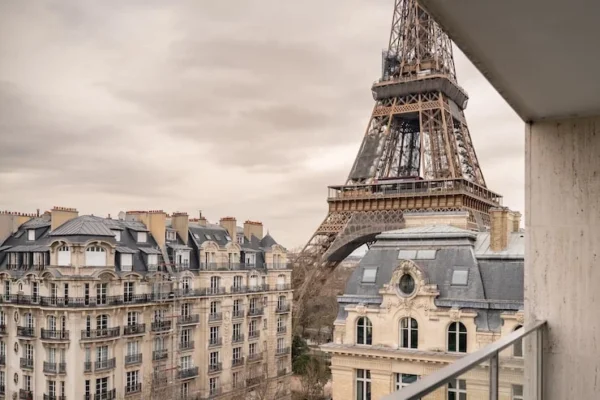
Paris will expand its ultra-luxury market with The Maybourne Saint-Germain, expected in 2027. The project will introduce the Maybourne Group to the French capital and strengthen competition within the city’s prestigious hotel sector.
Paris already attracts strong demand for fashion, culture, gastronomy and luxury shopping. A major new opening in Saint-Germain can create another accommodation anchor for high-spending international visitors.
In London, Cambridge House, Auberge Collection is planned as the operator’s first property in the United Kingdom. The hotel is being designed as an urban social destination rather than solely an accommodation offering.
That approach reflects a wider shift in luxury hospitality. Restaurants, wellness areas and gathering spaces increasingly serve local residents alongside hotel guests, making properties part of a city’s social landscape.
Resorts broaden Europe’s luxury appeal
Beyond major cities, new projects are targeting countryside, island and alpine tourism. Six Senses Quexigal Palace near Madrid will transform a historic estate into a wellness-focused retreat shaped by nature and sustainability.
In Switzerland, The Park Gstaad, A Four Seasons Hotel is scheduled to reopen as a redeveloped alpine property in 2027. Its year-round positioning can support both established ski demand and growing interest in summer mountain travel.
On Paros, Luura Cliff is planned as an adults-only Aegean retreat featuring suites, sea views and contemporary Cycladic design. The opening highlights continued luxury growth across Mediterranean island destinations.
These projects show how premium tourism is moving beyond traditional city breaks. Travellers increasingly combine wellness, food, outdoor recreation and privacy within longer, experience-rich stays.
Heritage shapes the next hotel generation
Adaptive reuse has become a defining feature of Europe’s luxury hotel pipeline. Operators are restoring palaces, grand hotels and historic estates instead of relying exclusively on new construction.
This strategy gives properties a distinctive story while preserving architectural character. It can also support responsible development by extending the working life of existing buildings, although sensitive restoration requires substantial investment and specialist skills.
For destinations, luxury hotels can generate skilled hospitality employment and increase visitor spending. Their restaurants, spas and cultural programmes may also create opportunities for local suppliers and creative businesses.
However, the strongest projects will need to balance exclusivity with destination responsibility. Authentic local partnerships, careful heritage management and environmentally conscious operations will increasingly influence traveller choices.
Across 2026–2027, Europe’s planned luxury openings signal more than a rise in room supply. They represent a new generation of hotels competing through place, history and meaningful guest experiences.
For more travel news like this, keep reading Global Travel Wire