The UAE and Saudi Arabia are accelerating the integration of artificial intelligence, robotics and connected technology across tourism and hospitality. The transition is creating smarter hotel operations, multilingual visitor services and new training requirements for hospitality professionals.
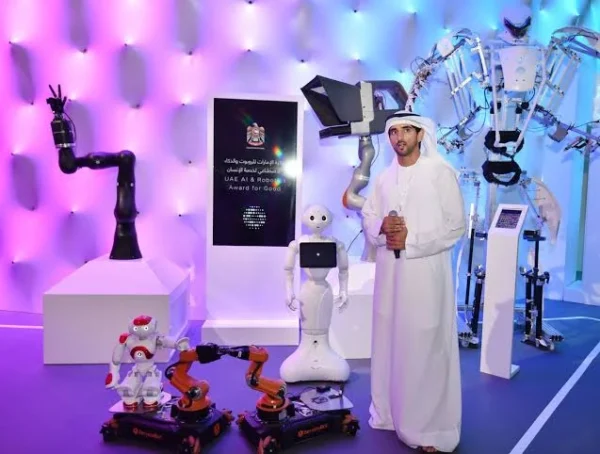
In 2026, robots are becoming increasingly visible at hotels, exhibitions and technology demonstrations across the Gulf. Their functions range from delivering amenities and cleaning public spaces to welcoming guests and providing destination information.
However, the technology does not signal the abolition of traditional service systems or the replacement of hospitality employees. Instead, the emerging model combines automated efficiency with the personal attention expected from luxury hotels.
Robots can perform repetitive, data-intensive or physically demanding duties. Hotel employees can then dedicate more time to problem-solving, cultural engagement and personalised service.
This hybrid approach could become increasingly important as both countries expand their tourism economies, develop new destinations and prepare for higher visitor volumes.
National tourism strategies encourage innovation
The UAE Tourism Strategy 2031 aims to attract 40 million hotel guests annually. It also seeks AED 100 billion in additional tourism investment and a tourism contribution of AED 450 billion to the national economy.
Meeting those ambitions will require greater accommodation capacity, skilled employees and more efficient digital systems. AI-supported reservations, automated check-in, predictive maintenance and multilingual assistance can help hotels manage growth without weakening service standards.
Saudi Arabia is also using tourism to diversify its economy under Vision 2030. The Kingdom has raised its 2030 tourism ambition to 150 million domestic and international visits annually after surpassing its earlier target ahead of schedule.
Technology will influence how visitors plan and experience this growing destination portfolio. AI can support itinerary design, translation, crowd management and personalised recommendations across hotels, attractions and transport networks.
These applications could make unfamiliar destinations easier to navigate while helping tourism authorities understand demand and distribute visitors more effectively.
Robots take on practical hotel duties
The most immediate hospitality applications involve delivery and cleaning. Autonomous robots can transport towels, food or other amenities between hotel floors when integrated with elevators and property management systems.
Cleaning robots can maintain carpets and hard floors in lobbies, conference spaces and corridors. This allows employees to concentrate on detailed work and guest-facing responsibilities.
AI-powered kiosks and digital concierges can answer common questions at any hour. Multilingual systems may be especially useful in Dubai, Abu Dhabi, Riyadh and Jeddah, where hotels serve guests from diverse international markets.
Yet successful deployment depends on more than novelty. Robots must operate reliably in crowded environments, protect guest information and transfer complex requests quickly to human staff.
Hotels must also maintain alternatives for guests who prefer personal assistance or cannot use digital interfaces. Inclusive implementation will determine whether automation improves the experience or creates additional friction.
Abu Dhabi prepares a technology-ready workforce
Education is becoming an important part of the transformation. Abu Dhabi Hospitality Academy–Les Roches was established through cooperation between the Department of Culture and Tourism–Abu Dhabi and Les Roches.
The academy has worked with Autogo to introduce robotics into hospitality training. Technologies include service robots, digital menus and automated cleaning systems.
This training allows students to understand how automated tools fit within hotel operations. Future managers will need to assess when robots add value, supervise mixed teams and protect the human character of hospitality.
Virtual simulations can also expose students to operational scenarios before they enter the workplace. This combination of management knowledge and technical familiarity could strengthen the UAE’s local hospitality talent pipeline.
Rather than teaching future professionals to compete with robots, the approach prepares them to manage technology responsibly.
Saudi development connects hotels with smart cities
Saudi Arabia’s destination projects provide opportunities to integrate hotel technology during the design stage. YOTEL plans a 300-room property in Oxagon, NEOM’s industrial and innovation district.
The hotel is expected to become YOTEL’s first property in Saudi Arabia and the first hotel in Oxagon. Its concept centres on compact design, digital convenience and technology-supported stays.
Travellers should note that the project is currently presented by YOTEL with a planned 2029 opening, rather than 2026. Development schedules can change, making current official information essential when reporting future hotel launches.
Oxagon illustrates how accommodation can connect with wider smart-city infrastructure. Digital access, energy systems, mobility and guest services can operate as parts of one integrated ecosystem.
Cultural awareness remains essential
Developers are also exploring robots that communicate through regional languages and cultural references. Such systems may support storytelling, heritage education and international events.
However, cultural representation requires careful oversight. Designers must ensure that gestures, clothing, language and behaviour remain respectful, particularly in religious or heritage settings.
Human supervision is therefore essential. AI systems can process information quickly, but employees provide judgement, empathy and cultural understanding.
Smart hospitality enters its next phase
AI and robotics could improve round-the-clock service, energy management, maintenance and accessibility across Gulf hotels. They may also help destinations handle seasonal peaks and major international events.
Still, automation requires strong cybersecurity, employee training and transparent data practices. Hotels must evaluate performance according to guest satisfaction and operational value, not technological spectacle alone.
The UAE and Saudi Arabia are unlikely to build a future without human hospitality. Their greater opportunity lies in creating a model where technology handles routine processes while people deliver the welcome, judgement and emotional intelligence that memorable travel demands.
For more travel news like this, keep reading Global Travel Wire