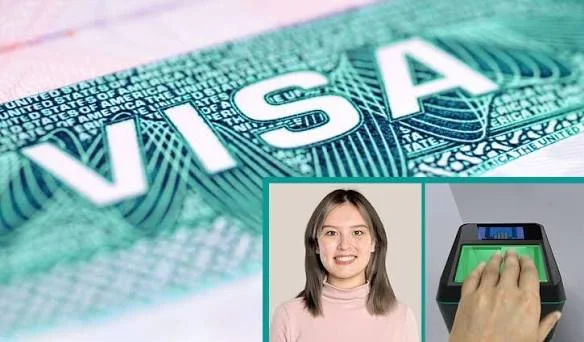
Canada has updated its public guidance to help international travellers and immigration applicants understand when they must provide fingerprints and a photograph.
Biometrics remain an important identity-verification step for many people applying for temporary or permanent residence. The requirements can affect visitors, international students, foreign workers, permanent residence applicants and people seeking refugee protection.
Immigration, Refugees and Citizenship Canada uses fingerprints and digital photographs to establish and confirm identity. The information also helps officers assess applications and protect the immigration system against identity fraud.
Applicants should determine whether biometrics are required before finalising travel arrangements. They must then follow the instructions issued for their current application and attend an authorised collection location.
Who Generally Needs To Provide Biometrics
In most cases, applicants need to submit biometrics when applying for temporary residence, except for United States nationals. Temporary residence applications include visitor visas, study permits and work permits.
Biometrics are also generally required for permanent residence applications, refugee or asylum claims and certain applications to extend a stay in Canada.
However, the requirements depend on the applicant’s nationality, age, immigration category and previous biometric history. Canada provides an official eligibility tool to help applicants check their situation.
Canadian citizens and citizenship applicants do not provide immigration biometrics through this process. Existing permanent residents are also generally exempt.
Other exemptions include children younger than 14 and applicants older than 79. The upper-age exemption does not apply to asylum claimants.
Heads of state, heads of government and some diplomatic or official visa applicants may also qualify for exemptions. Travellers visiting Canada with only an electronic travel authorisation normally do not need to submit biometrics.
Instruction Letter Starts The Collection Process
Applicants who need biometrics usually pay the required fee when submitting their immigration application. Delaying payment can also delay processing.
After payment, IRCC issues a Biometric Instruction Letter. The document confirms that biometrics are required and explains how the applicant can arrange an appointment.
Applicants must use the letter issued for their current application. Using an older instruction letter could delay processing or contribute to an application being refused.
At the appointment, applicants normally need their current Biometric Instruction Letter and valid passport. Limited document exceptions apply to asylum claimants and protected persons who do not hold their passports.
The collection process requires an in-person visit. Applicants provide fingerprints electronically and have a digital photograph taken. It does not include DNA collection or a medical examination.
Applicants Have 30 Days To Act
Applicants generally have 30 days from receiving their instruction letter to submit biometrics. They should reserve an appointment as soon as possible because availability can vary by location.
If they cannot meet the deadline, applicants should contact IRCC through its official web form and explain why they need additional time. Evidence of an appointment may be required.
People applying from outside Canada can normally attend a visa application centre. Those legally present in the United States can use an authorised application support centre or visa application centre.
Applicants inside Canada can attend a designated Service Canada office. However, they should not visit without a confirmed appointment.
Biometric appointments are free to book. Applicants should avoid anyone demanding payment merely to reserve a slot and use only official location information.
Fees Vary By Applicant Category
The standard biometric fee is CAD 85 for an individual applicant.
Families applying together pay a maximum combined fee of CAD 170 when eligible family members submit applications simultaneously. Groups of three or more performing artists and their staff applying for work permits together pay a maximum of CAD 255.
There is no biometric fee for a transit visa application.
These charges cover biometric collection and remain separate from visa, permit or permanent residence application fees.
Temporary Residence Biometrics Last Ten Years
Biometrics provided for temporary residence are generally valid for 10 years. Valid information is automatically attached to a new visitor visa, work permit, study permit or extension application.
However, Canada cannot issue a visa or permit with validity extending beyond the biometric expiry date. Applicants seeking a longer document may choose to submit biometrics again during a new application.
Permanent residence applicants follow different rules. They may need to provide new fingerprints and a photograph even if they previously submitted biometrics for temporary residence.
Clear Preparation Can Prevent Travel Delays
Travellers should check their biometric status, passport validity and visa requirements before booking non-refundable flights or accommodation.
Submitting biometrics does not guarantee approval. It is one part of the wider immigration assessment, and applicants must still satisfy all requirements for their selected visa or permit.
Canada’s clarified guidance makes the process easier to understand, but responsibility remains with each applicant. By paying the correct fee, using the latest instruction letter and attending an authorised centre promptly, travellers can avoid preventable delays while completing Canada’s secure identity-verification process.
For more travel news like this, keep reading Global Travel Wire