American Airlines, United Airlines and Southwest Airlines are scaling back planned flying as higher jet fuel prices increase operating costs across the US aviation industry.
The adjustments come despite resilient passenger demand and strong booking patterns. Instead of responding to a broad travel slowdown, carriers are removing or reconsidering flights that have become less profitable.
American is preparing further capacity changes late in the fourth quarter. United has removed some flights previously planned for December, while Southwest has substantially reduced its planned capacity growth.
Additional adjustments could follow during early 2027 if fuel remains expensive. However, airline executives continue to report strength across important passenger segments.
The situation creates an unusual aviation market. Demand remains healthy, but rising expenses are making some routes harder to operate profitably.
For travellers, the changes may produce fewer departure options in selected markets. Reduced seat supply could also maintain pressure on fares when bookings remain strong.
American Reviews Late-Year Capacity
American Airlines is examining its fourth-quarter schedule as fuel expenses place additional pressure on its financial performance.
The carrier is focusing on individual flights and markets rather than making one broad reduction across its network. Routes with weaker financial returns face the greatest scrutiny.
American expects recent revenue improvements to remain largely durable. Demand strength has extended across domestic and international services, including premium and economy cabins.
However, higher revenue does not automatically make every flight sustainable. Each service must generate enough income to cover fuel, labour, airport and aircraft costs.
The latest fuel increase is expected to add approximately $1 billion to American’s fourth-quarter expenses. This sharp change has strengthened the case for targeted capacity adjustments.
American’s response demonstrates how quickly energy costs can alter airline economics. Fuel price movements affect a large network immediately, while fare increases may take longer to recover those costs.
United Removes Selected December Flights
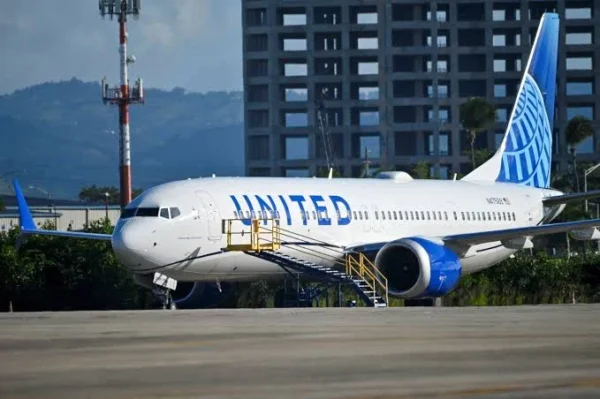
United Airlines has already removed some flights that had been scheduled for December.
The carrier concluded that higher fuel prices had weakened the financial case for marginal services. Further changes could follow during the first quarter and later in 2027.
United is prioritising profitability and free cash generation over expanding market share. This approach means aircraft will increasingly operate where demand and revenue provide stronger returns.
Nevertheless, the airline continues to report robust fourth-quarter bookings. Premium demand remains strong, corporate travel is improving and economy customers are still booking flights.
These trends suggest the schedule reductions do not reflect a broad collapse in passenger confidence. Instead, United is adapting its network to a higher-cost operating environment.
The airline expects to recover additional fuel expenses through pricing over time. However, that process involves a delay because fares cannot always adjust as quickly as energy markets.
Southwest Slows Planned Capacity Growth
Southwest Airlines has also moderated its expansion plans as fuel costs rise.
The carrier initially expected capacity to grow by approximately two to three percent during 2026. It has since reduced that planned increase by roughly half.
Southwest could make further adjustments if elevated fuel prices continue. Its extensive domestic network makes careful aircraft deployment particularly important.
The airline has reported autumn revenue running ahead of expectations. This performance has helped counter higher fuel expenses while supporting its earnings outlook.
However, strong revenue does not eliminate pressure on weaker flights. Southwest must assess whether each additional service can produce sufficient returns under current operating conditions.
Slower growth allows the company to focus on revenue from its existing network. It can also protect aircraft productivity without adding seats that may weaken pricing or profitability.
Strong Demand Limits Wider Reductions
Passenger demand remains one of the most important stabilising factors for US airlines.
Bookings have continued despite fare increases, allowing carriers to recover part of their higher operating expenses. Premium travel and improving corporate demand have provided additional support.
This resilience distinguishes the current situation from a conventional aviation downturn. Airlines are not cutting schedules simply because passengers have disappeared.
Instead, they are matching flight supply more closely with markets capable of absorbing higher costs. Busy routes and major hubs should remain important network priorities.
Flights with weaker demand, lower fares or higher operating expenses may face deeper reviews. Secondary markets could therefore experience more visible schedule changes.
When airlines reduce available seats while demand stays firm, remaining flights may fill earlier. Travellers could also encounter less fare flexibility during popular periods.
Travellers May Need Greater Flexibility
Passengers should monitor flight schedules carefully, particularly for trips planned several months ahead.
Airlines regularly refine future timetables, and current cost pressures may produce additional changes. Travellers affected by cancellations could receive alternative arrangements under individual carrier policies.
Booking earlier may provide more choice on routes facing limited capacity. Comparing nearby airports and flexible travel dates can also reveal alternative options.
However, passengers should not assume that widespread cancellations will affect every market. Airlines are pursuing targeted changes based on route economics.
High-demand destinations should continue receiving substantial service because those flights can support stronger revenue. The greatest uncertainty surrounds marginal routes and less profitable frequencies.
Fuel Costs Shape the 2027 Outlook
The future direction of US airline capacity will depend heavily on fuel prices, booking trends and broader economic conditions.
If energy expenses remain elevated, American, United and Southwest could make further schedule reductions. Improving fuel conditions may reduce the need for additional cuts.
For tourism destinations, reliable air access remains crucial to hotel demand, events and visitor spending. Yet financially sustainable airlines are equally important for long-term connectivity.
The current adjustments reflect that balance. US carriers are protecting strong markets while reconsidering flights that cannot absorb rising costs.
Passenger demand remains resilient, but airline growth is becoming more selective. Efficiency, pricing strength and route profitability will increasingly determine where carriers deploy their aircraft.
For more travel news like this, keep reading Global Travel Wire