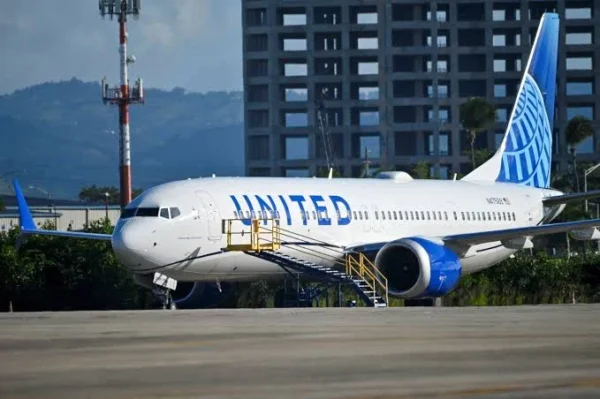
American Airlines and United Airlines are reassessing flight plans as surging jet fuel costs alter the economics of operating selected routes.
Southwest Airlines is also slowing its planned capacity growth, reflecting a broader shift across the United States aviation market. Major carriers are prioritising profitability, operational efficiency and stronger-performing services over rapid network expansion.
The changes are unfolding despite resilient passenger demand. Airline executives continue to report healthy bookings across premium, corporate and economy travel segments.
However, strong demand does not guarantee that every flight remains financially viable. Higher fuel costs can quickly weaken routes already operating with narrow profit margins.
American is preparing additional capacity adjustments for late 2026. United has removed some flights planned for December, while Southwest has substantially reduced its earlier growth target.
Further changes could extend into 2027 if fuel remains expensive. Travellers may therefore encounter revised schedules, fewer departure choices and sustained pressure on fares.
Fuel Costs Transform Route Economics
Jet fuel represents one of the largest operating expenses for airlines, alongside labour.
A rapid price increase affects thousands of daily flights across domestic and international networks. Longer routes and services using less efficient aircraft can experience particularly significant cost pressure.
Airlines cannot always recover this additional expense immediately. Ticket prices are established across different booking periods, while fuel markets can move sharply within days.
Carriers must therefore examine whether each flight generates enough revenue to absorb the higher cost. Marginal services become more difficult to justify when their financial returns deteriorate.
Airlines can respond through pricing, schedule changes, aircraft substitutions and improved operating efficiency. However, removing weaker flights often becomes necessary when other measures cannot restore profitability.
This explains why current adjustments remain targeted rather than universal. Carriers are protecting important markets while reconsidering services with weaker economics.
American Prepares Capacity Adjustments
American Airlines is reviewing its late-year schedule after the latest increase in fuel costs added substantial pressure to expected expenses.
The carrier estimates that recent fuel movements could add approximately $1 billion to its fourth-quarter costs. This increase has accelerated its review of capacity during the closing months of 2026.
American continues to report broad revenue strength. Domestic and international markets have performed well, while premium and economy cabins have both supported demand.
Nevertheless, the airline must consider whether individual routes can recover higher operating costs. Services producing limited returns may receive fewer frequencies or other schedule adjustments.
This route-by-route approach allows American to preserve connectivity across important markets. It also helps the carrier avoid operating flights that could weaken its wider financial performance.
The company expects much of its recent revenue improvement to remain durable. However, capacity discipline will remain important while fuel expenses stay elevated.
United Prioritises Profit Over Market Share
United Airlines has adopted a similarly selective approach to its future schedule.
The airline has removed some flights previously planned for December because their economics became less attractive. Further changes could follow during early 2027.
United has made clear that it will prioritise profitability and free cash generation instead of flying simply to expand market share.
That position represents an important shift in airline planning. Additional capacity no longer qualifies as beneficial unless it produces acceptable financial returns.
United’s demand outlook remains strong. Fourth-quarter bookings have held up, premium travel continues performing well and corporate demand is improving.
Economy bookings have also remained resilient despite higher fares. This gives United greater ability to recover fuel expenses through pricing, although that process takes time.
The airline can therefore maintain its strongest routes while removing flights unable to support the new cost environment.
Southwest Reduces Growth Expectations
Southwest Airlines has already reduced its planned 2026 capacity growth by approximately half.
The carrier initially expected year-on-year growth of around two to three percent. Higher fuel costs have since encouraged a more cautious expansion strategy.
Southwest’s large domestic operation makes fuel efficiency and aircraft productivity especially important. Every additional flight must generate enough revenue to justify its operating expense.
Autumn revenue has run ahead of expectations, helping the airline offset part of the fuel increase. Even so, additional capacity reductions remain possible if high prices persist.
The decision does not mean Southwest is abandoning growth. Instead, it is concentrating available aircraft on markets offering stronger demand and financial returns.
Travellers Could Face Fewer Choices
Passengers will not experience the same effects across every airport or route.
Major hubs and high-demand markets will likely retain extensive service because these flights support stronger revenues. Premium international routes may also remain attractive where customers accept higher fares.
Secondary markets and weaker frequencies could face greater scrutiny. Travellers on those routes may encounter fewer departure times or less convenient connections.
Reduced capacity can also strengthen airline pricing when demand remains high. Popular flights may fill earlier, especially during holidays and peak travel periods.
Passengers can respond by booking sooner, checking schedules regularly and considering nearby airports. Flexible travel dates may also provide additional choices or lower fares.
Efficiency Defines the Aviation Outlook
The latest changes indicate that US airlines are entering a more disciplined phase of network planning.
American, United and Southwest are not reacting to a collapse in travel demand. They are adapting capacity to an operating environment where fuel has become substantially more expensive.
Future decisions will depend on energy prices, passenger bookings, competition and broader economic conditions. Lower fuel costs could reduce the need for additional cuts.
Until then, carriers will focus on efficient aircraft use, stronger routes and selective expansion. For travellers, reliable connectivity will remain available, but choice and pricing may increasingly depend on route profitability.
For more travel news like this, keep reading Global Travel Wire