Mpumalanga is strengthening South Africa’s safari tourism economy through conservation, visitor-focused facilities and experiences connected with Kruger National Park.
The province remains one of the country’s most important wildlife gateways. It combines Big Five safaris with private reserves, scenic routes, cultural encounters and outdoor adventures.
This range gives travellers more reasons to extend their stays beyond traditional game drives. Visitors can combine wildlife viewing with the Blyde River Canyon, mountain landscapes and community-based experiences.
Mpumalanga’s development also complements tourism offerings across the Western Cape, KwaZulu-Natal, Eastern Cape, Northern Cape and North West.
Together, these regions create a diversified national tourism network spanning savannahs, wetlands, deserts, beaches and mountains.
Kruger Anchors Wildlife Travel Demand
Kruger National Park remains central to Mpumalanga’s international tourism appeal.
The protected landscape stretches across Mpumalanga and Limpopo and supports extensive biodiversity. Visitors may encounter elephants, lions, leopards, rhinos, buffalo and numerous bird species.
Wildlife conservation remains essential to Kruger’s tourism value. Healthy ecosystems and protected species sustain the experiences attracting domestic and international visitors.
Visitor revenue can also support conservation management, wildlife protection and park operations. This connection makes responsible tourism important to the destination’s long-term future.
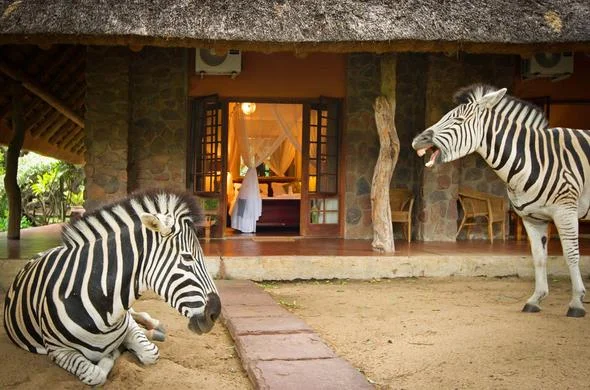
Improved accommodation and visitor amenities can make national park experiences more accessible and comfortable. However, development must remain compatible with environmental protection.
Travellers should review official park guidance before visiting. Gate times, activity availability, accommodation conditions and conservation rules may change throughout the year.
Private Reserves Expand Premium Experiences
Private game reserves across the Greater Kruger region add another dimension to Mpumalanga’s safari economy.
These destinations often combine guided wildlife viewing with smaller lodges and personalised itineraries. Several reserves also participate in conservation and habitat-management programmes.
Premium safari travel remains valuable because it can generate substantial spending across accommodation, guiding, dining and transport services.
International visitors increasingly seek meaningful experiences that connect comfort with nature protection. Private reserves can address this demand through specialist guides and conservation-focused activities.
The region’s tourism model also creates opportunities for hospitality workers, guides, transport operators and local suppliers.
Community participation remains important because safari growth should deliver economic value beyond park boundaries. Local enterprises can connect visitors with food, crafts, heritage and cultural experiences.
Air Access Supports Regional Growth
Kruger Mpumalanga International Airport provides an important entry point for travellers visiting the wider Kruger region.
Convenient air access can shorten journeys for visitors combining Mpumalanga with other South African destinations. It also supports fly-in safari itineraries for travellers with limited time.
Road connectivity remains equally important because many visitors explore the province through self-drive routes.
Combining aviation, road travel and accommodation gives tour operators greater flexibility when designing multi-destination holidays.
A traveller might pair Mpumalanga’s wildlife with Cape Town’s urban, coastal and cultural attractions. Such combinations can increase trip length and distribute tourism spending across provinces.
Provinces Diversify South Africa’s Safari Map
KwaZulu-Natal offers a distinctive blend of wildlife, coastline and heritage.
Hluhluwe-iMfolozi Park carries major conservation significance, particularly through its historical association with rhino protection. The province also includes iSimangaliso Wetland Park, where lakes, forests and coastal ecosystems broaden the conventional safari experience.
Visitors can encounter hippos, crocodiles, birdlife and marine environments within the wider destination.
In the Eastern Cape, Addo Elephant National Park provides prominent elephant-viewing opportunities and family-friendly wildlife experiences. Travellers can combine the park with coastal destinations and urban stays.
The Northern Cape presents a contrasting landscape through Kgalagadi Transfrontier Park. Its desert environment, open spaces and predator sightings appeal to photographers and travellers seeking remote wilderness.
North West Province adds accessible safari opportunities through Pilanesberg Game Reserve. Its position near established tourism routes makes shorter wildlife breaks more practical.
Cape Town Strengthens Combined Itineraries
Cape Town is not primarily a classic Big Five destination, yet it remains critical to South Africa’s wider tourism proposition.
The city combines mountains, beaches, food, culture and adventure activities. Its international air links also make it a natural starting or finishing point for longer holidays.
Connecting Cape Town with Mpumalanga allows travellers to experience two contrasting sides of South Africa.
One itinerary can combine sophisticated urban tourism and coastal landscapes with Kruger’s wildlife and bush environments.
These multi-region journeys can support airlines, hotels, restaurants, guides and attractions across the country. They also help South Africa compete for travellers seeking varied experiences within one holiday.
Conservation Shapes Tourism’s Future
South Africa’s safari growth depends on balancing visitor demand with effective environmental management.
Tourism facilities must improve the guest experience without damaging habitats or placing unsustainable pressure on wildlife areas.
Conservation investment, responsible visitor behaviour and community participation will remain crucial. Strong safety practices and clear park guidance are equally important for travellers.
Mpumalanga sits at the centre of this national opportunity because Kruger gives the province powerful international recognition.
However, the wider tourism benefit comes from connecting that flagship attraction with private reserves, scenic routes and local communities.
By linking conservation with better visitor experiences, Mpumalanga can strengthen South Africa’s position in global nature tourism.
Its progress also supports a broader national story where wildlife, coastlines, deserts and cities work together to attract longer stays and wider tourism spending.
For more travel news like this, keep reading Global Travel Wire