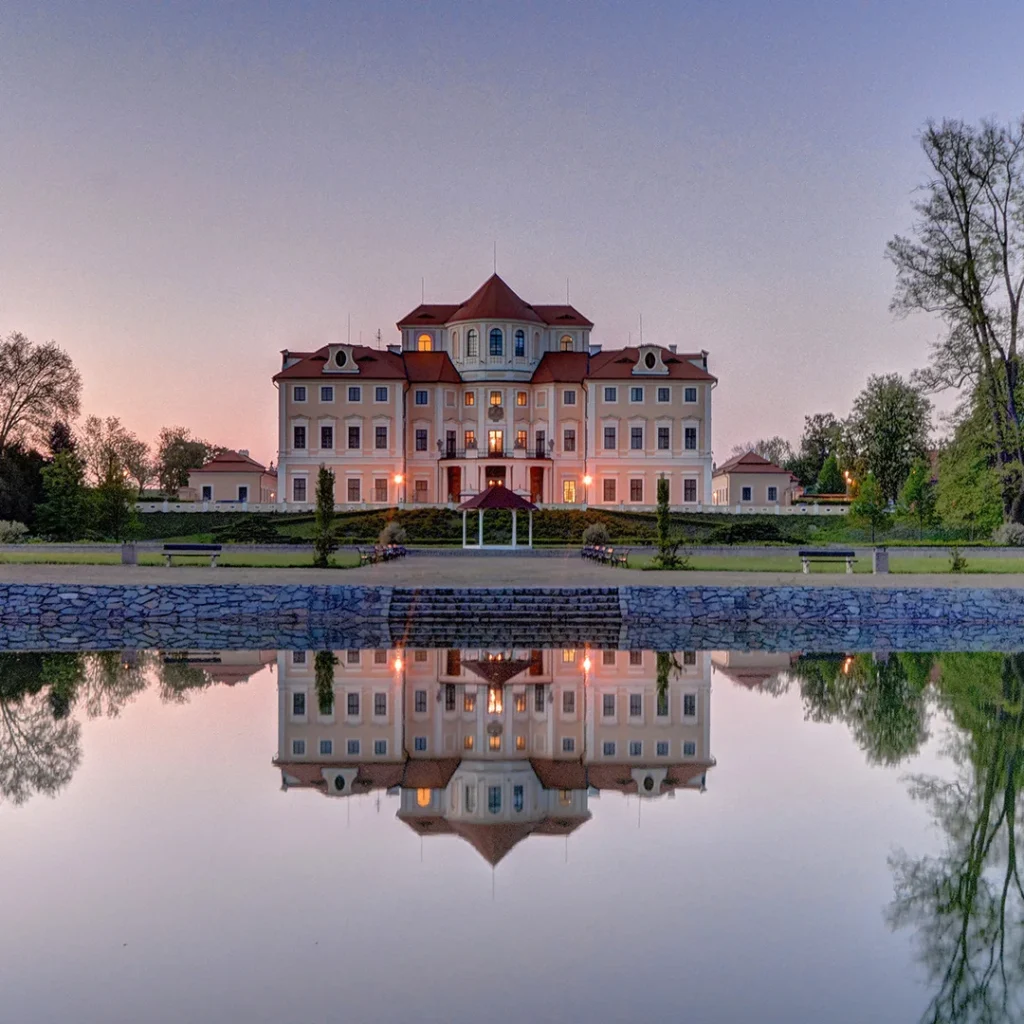
Historic monasteries, castles and country estates offer European hospitality developers a different path from building in established city centres. Barcelona’s accommodation controls show how tightly some urban markets manage new visitor beds, while Portugal’s REVIVE programme actively offers historic public properties for tourism use.
The contrast creates an opportunity for heritage hotels in regional destinations. Restored buildings can give travellers a distinctive place to stay and bring visitor spending beyond major gateways. Such projects also require substantial conservation work and careful planning.
Claims that investors are moving billions of dollars from European cities into rural hotels remain difficult to establish without comparable investment data. The clearer story lies in the projects and public programmes already shaping where distinctive accommodation can develop.
Barcelona Shows the Pressure on Urban Growth
Barcelona uses its Special Urban Plan for Tourist Accommodation, known as PEUAT, to regulate where visitor accommodation can operate and expand. Its rules vary by area, placing particularly tight limits on growth in zones facing tourism pressure.
The city also restricts the creation of new tourist-use homes. These measures reflect a wider concern about balancing visitor demand with housing and neighbourhood needs.
For hotel developers, local rules affect whether a proposed site can become accommodation and how a property may operate. They make planning an essential early step, especially in historic districts with limited space.
Florence provides another example of accommodation controls. The city has introduced rules for short-term tourist rentals in its historic area. Such rental measures, however, should not be treated as blanket bans on new hotels. Each type of accommodation follows its own planning requirements.
These city policies may encourage some businesses to examine opportunities elsewhere. They do not, by themselves, prove a continent-wide shift in investment.
Portugal Offers a Route to Heritage Reuse
Portugal’s REVIVE programme provides a concrete model for bringing historic buildings back into use. The government offers selected state-owned properties to private operators through public tenders for tourism projects.
The programme aims to restore cultural assets, strengthen regional destinations and generate economic activity. Each property comes with its own conditions, so an operator must assess the building and its obligations before bidding.
That structure connects heritage conservation with visitor demand. A restored convent or other historic site can become a reason to travel to a region, while accommodation and dining create opportunities for local employment and suppliers.
REVIVE also shows why heritage development differs from an ordinary hotel build. Operators must work within the character and condition of an existing property. Restoration is part of the project’s purpose, rather than an optional design feature.
Restored Properties Offer Distinctive Stays
Spain’s Parador de Corias demonstrates how a former monastery can operate as regional accommodation. Located in Asturias, the hotel occupies the historic Monastery of San Juan Bautista. Visitors can use it as a base for exploring the surrounding area.
Abadía Retuerta Le Domaine offers another approach in Spain. Its restored abbey combines accommodation with a vineyard estate, connecting a stay to the landscape and its wine-making heritage.
In Italy, the planned Six Senses Antognolla development centres on a medieval castle in Umbria. Announced plans include 71 rooms and 79 branded residences, alongside wellness, cultural and golf facilities. The project illustrates the scale that a historic estate can support, although its plans should not be mistaken for completed accommodation.
These properties differ in ownership, size and operating model. What links them is the use of an existing place to shape the guest experience. The building and its surroundings become central to why travellers choose the destination.
Conservation Adds Costs and Complexity
A historic building cannot always accommodate modern hotel services in the same way as a new structure. Developers may need to address structural repairs, accessibility, heating and cooling while protecting significant architectural features.
Those requirements can affect costs and timelines. Heritage approvals and discoveries during restoration may also change a project after work begins.
For that reason, projected room rates or investment returns should not be assumed across rural heritage hotels. A castle resort, a former convent and a small country inn may face very different costs and demand.
The tourism opportunity is more tangible. Well-managed conversions can preserve buildings, support regional travel and give visitors an experience rooted in a specific place.
Barcelona’s restrictions and Portugal’s REVIVE programme show two different responses to tourism pressure and opportunity. Together, they explain why Europe’s hospitality conversation increasingly reaches beyond city centres to the future of its historic estates.
For more travel news like this, keep reading Global Travel Wire