Significant disruptions to international travel across the Middle East have entered a period of gradual stabilization following initial military actions and regional airspace closures. While key transit corridors and commercial aviation hubs have resumed operations, official statements from international aviation bodies and government ministries emphasize that regional movement remains dynamic. Travelers, corporate mobility managers, and industry stakeholders are advised to maintain flexible itineraries, consult official travel notices, and review regulatory concessions established to protect international visitors.
Airspace Conditions and Commercial Flight Status
Governments across the region confirm that major air transport hubs are functioning, though operational schedules remain subject to modifications at short notice. State aviation authorities continue to evaluate flight corridors daily, leading several international carriers to adjust routes or temporarily modify flight frequencies to select destinations.
In Saudi Arabia, commercial flight operations continue at major international gateways. However, official civil aviation updates indicate an increased likelihood of sudden schedule revisions. Service suspensions remain in effect for specific regional destinations, including regional airports in Abha and Taif. Travelers intending to fly into or out of southern Saudi Arabia are urged to verify their flight status directly with operating airlines prior to departure.
Across the broader Gulf region, aviation authorities in Bahrain, Iraq, Jordan, Kuwait, and Qatar report that main international airports are open, though periodic air traffic controls continue to cause temporary delays. Travelers should account for potential route diversions and extended transit times when traveling through these hubs.
Government Consular Extensions and Visa Relief
To accommodate foreign nationals impacted by transit disruptions and sudden flight alterations, multiple governments have implemented official visa concessions and administrative relief mechanisms:
India: The Ministry of External Affairs announced that foreign visitors currently in India who are unable to depart due to regional flight cancellations may seek administrative support. Affected individuals requiring visa extensions or status regularizations are directed to contact their nearest Foreigners Regional Registration Office (FRRO) to ensure their stay remains fully compliant with domestic immigration laws.
South Africa: The Department of Home Affairs has authorized temporary visa concessions, effective through November 30, 2026, or until regular flight operations fully resume following a formal ceasefire. These relief measures protect foreign nationals affected by regional airspace restrictions:
Short-term visitors who have reached the maximum permitted duration of stay may submit applications for a new visitor visa under identical terms for up to three months.
Long-term visa holders nearing expiry are permitted to transition to a standard Visitor’s Visa prior to expiration, provided all statutory eligibility criteria are satisfied.
Foreign nationals unable to depart on time will not be categorized as undesirable overstayers if their delayed departure is directly linked to airspace closures. Individuals who received adverse overstay designations during the disruption period may submit formal administrative appeals to the Department of Home Affairs with supporting departure records.
The Netherlands: Immigration authorities have established temporary stay extensions for foreign nationals unable to depart the Schengen area to return to their primary country of residence due to regional transit interruptions. Eligible individuals may apply to extend short-stay visas for up to 90 days, provided total presence does not exceed the standard 180-day regulatory window. In instances where consular posts are temporarily closed, entry visa collection timelines may be granted a one-time extension of up to three months, or issued a new 90-day visa if travel was delayed before entry.
Canada: Updated administrative directives have been enacted by federal authorities to assist temporary residents from affected regional backgrounds, easing documentation requirements during the disruption period.
Israel: Population and Immigration Authority guidelines state that specific category visas (including B-1, B-2, B-4, A-1, A-2, A-3, A-4, A-5, and DCL permits) expiring within designated disruption windows are granted automatic three-month validity extensions.
Enhanced Border Screening and Operational Directives
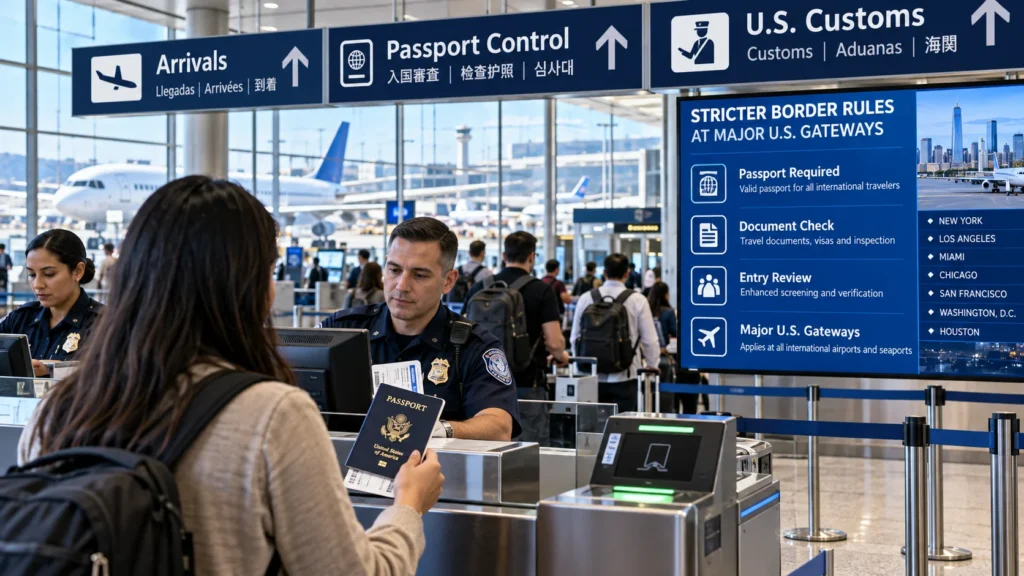
Immigration departments across several transit hubs have instituted heightened security screening protocols. Travelers should anticipate additional documentation verification procedures at international points of entry.
Furthermore, certain jurisdictions have temporarily paused visa-on-arrival facilities for select nationalities, requiring travelers to obtain physical or electronic entry visas prior to embarking on their journey. Because entry decisions at border checkpoints remain strictly at the discretion of immigration officers, travelers are encouraged to secure explicit visa documentation in advance rather than relying on arrival facilities.
Specific travel restrictions also remain active under official state decrees. For example, the United Arab Emirates Ministry of Foreign Affairs maintains a formal travel advisory directing its citizens to avoid non-essential travel to Iran and Iraq, while providing emergency hotline support for citizens seeking immediate return logistics.
Key Recommendations for Travelers and Enterprises
To navigate current mobility conditions safely and effectively, foreign nationals and international organizations should follow official regulatory guidance:
Maintain Emergency Registrations: Foreign citizens residing in or visiting the region should formally register their physical presence with their respective national embassy or consulate via official government portals.
Monitor Official Information Channels: Avoid unverified news channels; rely exclusively on direct updates issued by civil aviation authorities, state foreign ministries, and operating air carriers.
Verify Travel Documentation: Check the validity periods of all passports, entry permits, and residency visas. If delays occur, submit extension requests to local immigration authorities prior to visa expiration.
Review Contingency Policies: Organizations managing international personnel should regularly verify employee locations, review emergency contact protocols, and align business travel authorizations with published government safety advisories.
Official monitoring of regional transit channels remains ongoing, and government authorities will release updated operational directives as transit conditions evolve.
For more travel news like this, keep reading Global Travel Wire