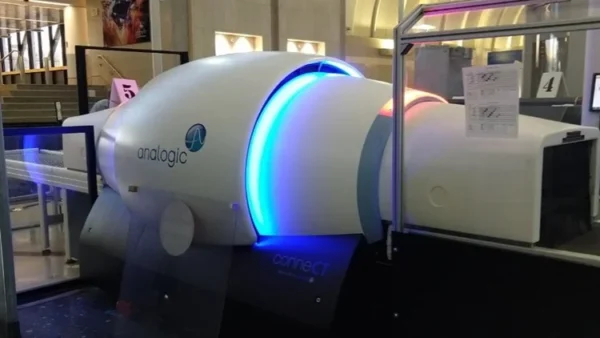
The Transportation Security Administration is introducing more computed tomography scanners at US airport checkpoints, changing how officers inspect carry-on bags. The machines create three-dimensional images that officers can examine from different angles, giving them a clearer view of items inside.
For travellers, the most noticeable difference may be what stays packed. At a checkpoint using CT equipment, passengers can generally leave laptops and other electronics in their bags unless an officer directs them otherwise. The instructions can differ by lane, so travellers should listen before placing belongings on the belt.
The technology is part of a wider TSA effort to improve threat detection and reduce some unnecessary bag checks. It does not eliminate the possibility of a manual inspection. An officer may still open a bag or ask a passenger to remove an item when further screening is needed.
Major US airports, including Boston Logan and Dallas/Fort Worth, feature in discussions about upgraded screening. However, equipment can differ between terminals and lanes. An airport’s name alone cannot tell a traveller exactly which procedure they will encounter.
How CT Screening Works
Conventional checkpoint X-ray systems produce images that officers use to assess a bag’s contents. CT equipment takes multiple views and builds an image that can be rotated for closer examination.
That added detail helps officers evaluate items without automatically opening the bag. TSA describes CT as a way to strengthen detection of potential threats in carry-on baggage.
The scanner screens belongings, not the passenger’s body. Travellers still follow the checkpoint’s separate identity and personal screening procedures.
Better images may mean fewer bag searches in some circumstances. Yet a new scanner does not guarantee a shorter queue. Passenger volumes, staffing, bag contents and the layout of the checkpoint also affect how quickly people move through security.
Keep Electronics Packed When Directed
At CT-equipped lanes, passengers may be told to keep laptops, tablets and travel-size liquids inside their carry-on bags. That can reduce the unpacking and repacking involved in a journey.
The instruction depends on the equipment operating in that lane. A passenger using another lane at the same airport may be asked to remove a laptop for screening.
Travellers should prepare for either procedure. Keeping devices accessible makes it easier to respond if an officer requests separate screening.
The arrival of CT scanners does not, by itself, change limits on liquids or rules governing prohibited items. Passengers must still follow current TSA requirements, even when permitted items remain packed during the scan.
Carry-On Size Still Matters
Some travellers are concerned that a larger cabin bag may not fit through a CT scanner’s opening or tray system. A bag that cannot be screened in the usual way may require instructions from checkpoint staff.
That does not establish a new nationwide TSA cabin-bag size rule. Airlines set their own carry-on dimensions and allowances. A traveller should check the operating airline’s rules before leaving for the airport, especially on a trip involving multiple carriers.
The commonly cited measurement of 22 by 14 by 9 inches is not a universal airline allowance. Dimensions can vary, and some fares include fewer cabin items than others.
Nor should passengers assume that a bag will automatically incur a fee because it does not fit a particular scanner. Staff determine the next screening step, while the airline decides whether the bag meets its cabin baggage policy.
Packing within the airline’s allowance remains the simplest way to avoid an unexpected baggage decision later in the journey.
What the Rollout Means for Busy Hubs
The supplied airport list includes Atlanta, Chicago O’Hare, Los Angeles, New York JFK, Newark, Miami and several other large gateways. TSA has deployed CT technology at US checkpoints, but installation should not be confused with identical screening across every lane at each airport.
That distinction matters for domestic and international travellers making connections. Someone departing from one US airport may keep electronics packed, then encounter different instructions before a later flight.
Airport upgrades can also take place while terminals continue operating. During a transition, passengers may see different equipment side by side.
Travellers gain most from a straightforward approach: pack permitted items correctly, keep travel documents ready and follow the instructions at their actual checkpoint. Those steps remain useful regardless of the scanner in service.
Prepare for the Lane You Use
Before departure, passengers should check their airline’s carry-on policy and TSA’s current rules for items in cabin baggage. At security, they should watch the signs and listen to the officer managing the lane.
If a bag needs another look, travellers should allow staff to complete the inspection and ask where to collect their belongings afterward. Families and passengers carrying several devices may benefit from packing them so they can be reached easily.
CT scanners offer officers a more detailed view and may make screening simpler for passengers in equipped lanes. The practical change is greater flexibility at the belt, guided by the instructions given on the day of travel.