Africa’s 2026 hotel development pipeline has reached 123,846 rooms across 675 hotels and resorts, an annual increase of 18.6%. Egypt leads by a wide margin, but construction figures reveal different prospects for when new accommodation might welcome travellers.
Egypt accounts for 45,984 planned rooms. Morocco, Nigeria, Kenya, Ethiopia, Tanzania, South Africa and Ghana add another 43,477. Together, these eight markets hold more than 72% of the continental pipeline.
The figures point to growing investment interest in African tourism and hospitality. They do not mean every planned room will open soon. Projects still need financing, construction and operational preparation before travellers can book them.
That gap between planned and available rooms is central to the story. Egypt has the largest pipeline, while several East African markets show a higher share of rooms already under construction.
Egypt Dominates Planned Hotel Supply
Egypt’s pipeline contains 185 projects and 45,984 rooms, more than one-third of Africa’s total. Greater Cairo alone accounts for 22,111 rooms across 88 projects.
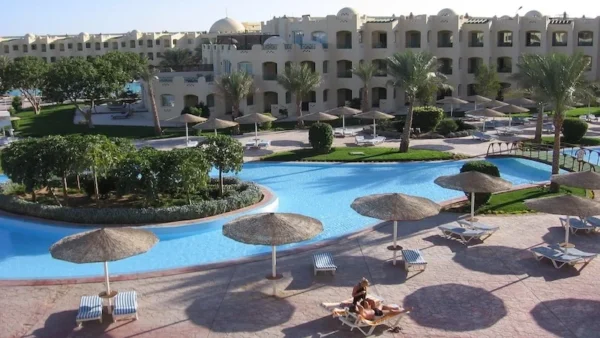
Resort development around the Red Sea adds another dimension. Areas including Sharm El Sheikh, Marsa Alam and Ain Sokhna feature in the country’s accommodation plans.
The scale could eventually broaden choice for city visitors and coastal holidaymakers. Yet only 23,622 Egyptian pipeline rooms are under construction, representing 51.4% of the national total.
That makes timing important. The pipeline indicates considerable ambition, while construction progress offers a clearer view of potential future supply. Travellers should check confirmed openings when planning trips rather than assume all announced hotels will be available.
Egypt’s average pipeline project has 249 rooms. Large developments can add substantial capacity when completed, particularly in resort areas where room counts often exceed those of urban hotels.
Morocco Shows Stronger Construction Progress
Morocco ranks second with 10,606 rooms across 75 hotels. Of those rooms, 6,859 are under construction, giving the country a construction share of 64.7%.
Its pipeline is much smaller than Egypt’s, but a greater proportion has moved into the building phase. Future openings could add options in established city and leisure markets as projects reach completion.
Additional accommodation may help destinations manage busy periods and serve different types of visitors. The benefit will depend on each property’s location, price and opening date.
North Africa’s wider pipeline now totals 62,630 rooms, slightly above sub-Saharan Africa’s 61,216. Its 27% annual growth also exceeds the 11% recorded south of the Sahara.
Those figures show where development activity is concentrating. They do not describe a uniform boom across every African destination.
East Africa Stands Out for Construction
Kenya, Ethiopia and Tanzania have a combined pipeline of 16,313 rooms. About 12,912 are already under construction, or roughly 79% of their total.
Kenya has 4,922 rooms under construction from a 6,190-room pipeline. Ethiopia has 4,768 under construction from 5,964, while Tanzania has 3,222 from 4,159.
The three markets serve different travel needs. Kenya combines business visits with safari and coastal tourism. Ethiopia’s accommodation demand includes aviation, diplomatic and conference travel. Tanzania brings together beach holidays and wildlife itineraries.
Their high construction shares suggest stronger near-term progress than pipeline size alone would show. However, projects under construction can still face delays before opening.
New hotels will matter most where transport, attractions and local services can support the visitors they accommodate. A room adds practical travel choice only when the wider journey works.
Nigeria Illustrates the Delivery Challenge
Nigeria ranks third by planned rooms, with 8,480 across 57 projects. Yet 3,328 rooms are under construction, just 39.2% of its pipeline.
That is the lowest construction share among the eight leading markets. Nigeria’s figures illustrate why a large development list should not be treated as a forecast of immediate hotel openings.
South Africa has 4,136 rooms planned, with 2,778 under construction. Ghana has 3,942 planned rooms and 2,196 under construction. Both markets could gain branded accommodation as projects advance.
Across Africa, the mix of future hotels matters as much as the total. New upscale properties may expand choice for some travellers without increasing affordable options for others.
The 2026 pipeline signals a major shift in potential accommodation supply. Its tourism impact will depend on completed hotels, suitable prices, reliable air access and sustained visitor demand. Egypt sets the scale, while construction progress shows where the next openings may come sooner.
For more travel news like this, keep reading Global Travel Wire