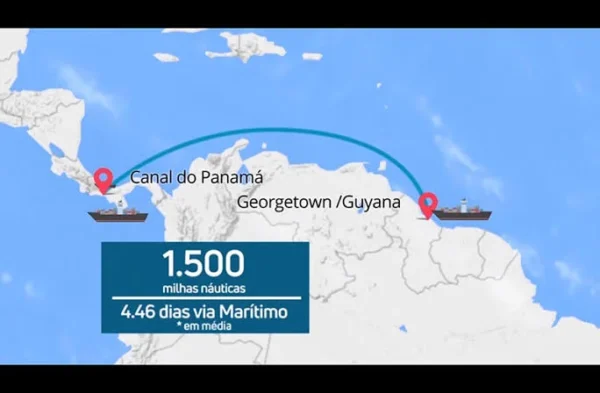
Guyana and Panama have signed an Air Services Agreement that strengthens the legal foundation for passenger flights and cargo operations. The deal creates opportunities for tourism, business travel and trade connections across the Americas.
Officials signed the agreement on 30 September 2026 at the Arthur Chung Conference Centre in Guyana. Its provisions give airlines greater flexibility to explore services while establishing clearer rules for bilateral aviation cooperation.
For international travellers, the potential benefit extends beyond journeys between the two countries. Panama’s connecting network offers access to destinations across North America, Central America, South America and the Caribbean.
However, the agreement does not announce additional flights, new routes or lower fares. Airlines must decide how to use its provisions.
Stronger Framework for Airlines and Passengers
The Guyana–Panama aviation deal covers airline designations, safety standards, security measures, codesharing, tariffs, certification recognition and user charges.
Together, these provisions establish a more structured framework for airlines operating between the countries. They also support cooperation as carriers assess future commercial opportunities.
The agreement replaces the previous reciprocity-based arrangement underpinning their aviation relationship. This gives existing services a formal foundation and creates scope for further development.
For passengers, any future improvements will depend on airline decisions, operating arrangements and available services. The immediate change concerns aviation rights and cooperation.
Panama Connections Put US Travel in Focus
The United States could benefit indirectly from stronger aviation links between Guyana and Panama. Connections through Panama can support journeys between Guyana and American destinations.
These links matter for families, tourism businesses and companies with interests in both markets. Connecting services can accommodate leisure trips, family visits and business travel within the same network.
The agreement provides for passenger traffic rights up to the sixth freedom. These rights support travel between two foreign countries through an airline’s home country.
In practical terms, a Panama-based airline can connect passengers travelling between Guyana and another country through its Panamanian hub.
This arrangement creates opportunities to serve several markets through one connecting point. Actual journey options will continue to depend on schedules, connection times and airline availability.
Copa Airlines Provides an Established Connection
Copa Airlines has served the Guyana–Panama market since 2014. Its existing connection provides a foundation for the new agreement.
The formal framework supports continued cooperation while allowing airlines to consider further commercial arrangements. Codesharing provisions could also help carriers explore partnerships.
For travellers, established hub connections offer a way to reach destinations beyond the initial flight. Nevertheless, the agreement itself does not confirm expanded Copa schedules or additional capacity.
Tourism businesses should therefore distinguish the new operating framework from any subsequent airline announcements. Changes to frequency, routes or partnerships would require separate confirmation.
Tourism Businesses Gain Opportunities to Reach Visitors
Stronger aviation cooperation could help Guyana reach travellers interested in its rainforests, rivers, wildlife and adventure experiences.
International access influences how visitors plan holidays. Convenient connections can make a destination easier to include within a regional itinerary.
For hotels, guides and tour operators, future airline expansion could create opportunities to market experiences to additional audiences. However, the agreement provides no visitor-arrival forecast or quantified hospitality revenue projection.
Panama could also gain opportunities to attract Guyanese visitors alongside its role as a connecting destination. Travellers may consider combining experiences in both countries when schedules and booking arrangements permit.
Such possibilities depend on available services and traveller demand. The agreement establishes the aviation framework that can support them.
Cargo Rights Add a Trade Dimension
Cargo provisions grant operating rights up to the seventh freedom. These allow eligible freight services between foreign countries without requiring a connection through the airline’s home country.
That flexibility could help cargo operators evaluate additional international services. It also broadens the agreement’s relevance beyond passenger transport.
Businesses handling time-sensitive shipments may benefit if operators develop suitable freight capacity. Potential users include companies involved in agriculture, high-value goods and energy services.
However, the agreement does not confirm new cargo routes, shipment volumes or logistics savings. Those outcomes will depend on commercial investment and operational decisions.
Future Services Will Determine the Travel Impact
For Guyana’s tourism sector, the next development to watch is how airlines respond. Additional services or partnerships could translate the agreement’s provisions into practical travel choices.
Travellers should continue checking available schedules and booking conditions when planning journeys through Panama. The signing alone does not change an existing itinerary.
The agreement gives both countries a clearer basis for aviation cooperation. Its eventual tourism and trade impact will emerge through the passenger and cargo services airlines choose to develop.
For more travel news like this, keep reading Global Travel Wire