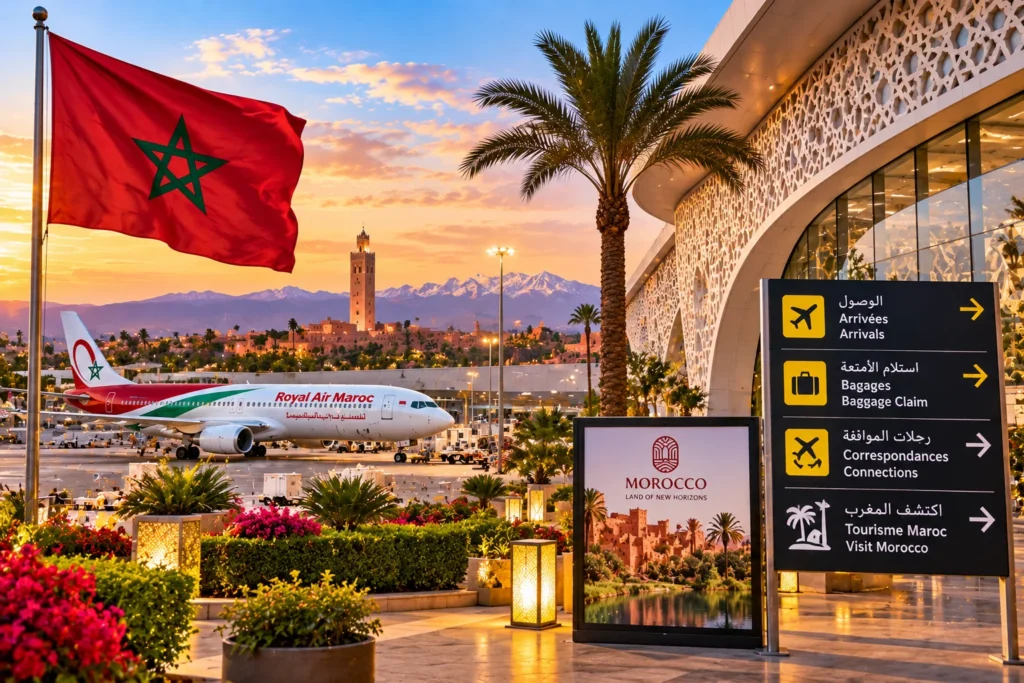
Morocco continues to solidify its position as one of North Africa’s premier global travel destinations. Backed by strategic national initiatives and official public tourism frameworks, the Kingdom is experiencing record-breaking visitor arrivals across its historic imperial cities, coastal resorts, and desert landscapes. Official aviation statistics highlight that Moroccan airports processed 36.3 million passengers in 2025, with momentum continuing strongly into 2026 as international traffic reached 19.9 million passengers within the first seven months alone—marking an overall passenger growth rate of nearly nine percent.
To support this rapid expansion and prepare for major international events, including co-hosting the 2030 FIFA World Cup, national civil aviation authorities and tourism boards are executing comprehensive infrastructure modernizations. By aligning national destination marketing campaigns—such as the official “Kingdom of Light” campaign—with physical airport capacity upgrades, Morocco is ensuring that first and last impressions for global visitors match the beauty and hospitality found across the nation.
Airports 2030 Transformation: Modernizing Morocco’s Primary Travel Gateways
Under the official Airports 2030 transformation program, the national airport authority, Office National Des Aéroports (ONDA), is implementing large-scale modernization and expansion projects across major international gateways. These official initiatives aim to streamline passenger movement, expand terminal facilities, and integrate state-of-the-art digital processing systems.
Key objectives of the national airport modernization program include:
Expanding Terminal Capacity: Enhancing passenger handling capacity at major hubs including Mohammed V International Airport in Casablanca, Marrakech-Menara Airport, and Agadir-Al Massira Airport to ensure seamless arrival and departure experiences.
Streamlining Border Control and Security: Upgrading digital identification systems, automated baggage handling, and immigration processing corridors to reduce wait times during peak travel seasons.
Upgrading Commercial and Passenger Services: Introducing modern retail zones, expanded dining options, improved accessibility features, and comfortable lounge facilities for international and domestic passengers.
These infrastructure investments ensure that Morocco’s air transport network can comfortably accommodate higher-value leisure travel, business conferences, diaspora return visits, and mega-sporting event crowds.
Regional Tourism Expansion Beyond Traditional Cultural Capitals
A core pillar of Morocco’s national tourism strategy is distributing travel benefits across every region of the country. While Marrakech, Casablanca, and Agadir remain primary international entry points, official development programs are focusing on upgrading regional airports to unlock emerging cultural and natural destinations.
Regional aviation and tourism developments focus on several key travel corridors:
Northern and Mediterranean Coasts: Enhancing facilities at Tangier and Nador to support coastal tourism, heritage journeys, and eco-tours along the Mediterranean coastline.
Cultural and Historic Hubs: Expanding flight connectivity and terminal infrastructure in Fez and Rabat to showcase centuries-old medinas, UNESCO World Heritage sites, and contemporary national museums.
Southern and Desert Routes: Strengthening air access to gateways like Ouarzazate, Guelmim, and Dakhla, opening direct paths to Sahara desert excursions, ocean sports, and unique landscape photography.
By establishing direct air connectivity to diverse regions, official tourism authorities are encouraging longer visitor stays and supporting local economies throughout the Kingdom.
Essential Travel Tips for Visitors Navigating Morocco’s Aviation Network
For international tourists planning vacations to Morocco, official ministry releases and civil aviation authorities recommend following verified travel practices to ensure hassle-free journeys:
Arrive Early During Peak Seasons: Due to ongoing terminal upgrades and high seasonal traffic, travelers departing from major hubs like Marrakech and Casablanca are advised to arrive at least three hours prior to international flights.
Utilize Registered Transport Services: Upon landing at Moroccan airports, visitors should use official airport taxi ranks with posted fare meters or book pre-arranged hotel transfers and licensed ride-hailing services.
Verify Entry Requirements and Travel Documents: Ensure passports are valid for at least six months beyond the planned date of departure. Travelers holding eligible passports or applying for electronic travel authorizations should confirm all documentation prior to flight check-in.
Respect Local Customs and Cultural Norms: When traveling from airport terminals into urban medinas or rural villages, visitors are encouraged to dress modestly, seek permission before photographing local residents, and carry small denominations of local currency for regional markets and transportation.
For more travel news like this, keep reading Global Travel Wire