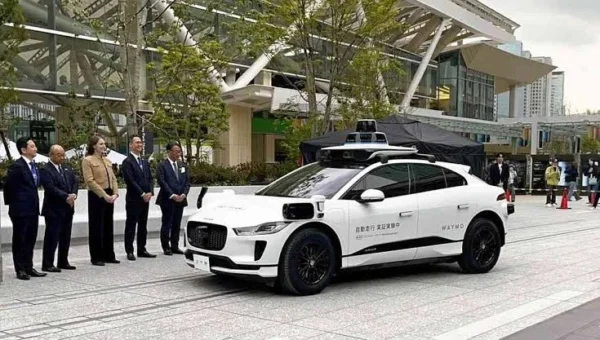
Japan is moving towards commercial autonomous taxi services, with Tokyo and Yokohama targeting launches in 2027. The projects could expand transport choices for residents and visitors while helping operators address driver shortages.
In Tokyo, Waymo, Nihon Kotsu and GO aim to introduce fully driverless commercial taxis during 2027. The timetable remains subject to regulatory approval and final safety validation.
Meanwhile, Nissan intends to provide autonomous mobility services from fiscal 2027, using Yokohama as its principal development base. Nagoya, Osaka and Sakai are progressing through demonstrations and deployment preparations, without confirmed commercial launch dates.
For tourism, the potential benefits centre on flexible journeys between stations, hotels, attractions and other destinations beyond convenient rail access.
Tokyo Develops Its Driverless Taxi Network
Tokyo has the clearest commercial taxi timetable among the cities outlined in the programme. Testing has covered seven wards since 2025, with trained Nihon Kotsu personnel accompanying Waymo vehicles.
The proposed service would begin with a limited fleet before expanding towards approximately 100 vehicles.
However, the target does not mean driverless taxis will operate across every part of Tokyo immediately. Available journeys will depend on approved operating areas and service arrangements.
Tokyo also presents demanding conditions for autonomous systems. Narrow streets, busy intersections, cyclists and pedestrians require reliable responses throughout each journey.
Successfully navigating those conditions will be essential before the technology becomes a practical option for international visitors.
Tourism Could Benefit From Flexible Connections
Tokyo’s rail network supports extensive visitor movement, but some journeys still require road transport. Luggage, late arrivals and destinations away from stations can make taxis particularly useful.
Autonomous services could supplement those options if their operating hours and coverage match passenger needs. Late-night journeys represent one potential application, rather than a confirmed service commitment.
For business travellers, reliable connections between hotels, meeting venues and transport hubs could also prove valuable.
Nevertheless, visitors will need clear information about fares, booking methods, luggage capacity and assistance. These details will influence whether the service offers a convenient alternative.
The commercial launch target alone does not establish those passenger features.
Yokohama Links Technology With Waterfront Mobility
Nissan’s Yokohama development programme centres on Minato Mirai, Sakuragicho and Kannai. These districts combine hotels, shopping, offices, attractions and major rail connections.
The company’s broader plan envisages autonomous mobility services across three or four municipalities from fiscal 2027. Earlier development plans described initial fleets numbering in the tens of vehicles.
Remote monitoring forms an important part of the proposed operating model. Central teams could supervise autonomous vehicles while supporting service management.
For visitors, Yokohama offers a clear example of the last-mile transport challenge. A train journey may bring passengers close to a destination without completing their trip.
Autonomous vehicles could help connect stations with waterfront accommodation, conference venues and attractions, depending on the eventual service area.
Nagoya Tests On-Demand Urban Journeys
Nagoya is testing a taxi-style autonomous service through a demonstration scheduled to continue until 19 March 2027.
The programme uses three vehicles and five central-city boarding locations. Its 20 routes cover approximately 33 kilometres.
Boarding areas include Nagoya Station, STATION Ai, Aichi Arts Center, the IG Arena area and the science-museum district.
Beyond driving performance, the demonstration examines reservations, passenger behaviour and operating procedures. That experience can help authorities assess how an on-demand service functions in everyday conditions.
Aichi Prefecture wants practical robotaxi deployment in central Nagoya as soon as possible. However, it has not announced a firm 2027 commercial starting date.
Osaka and Sakai Prepare for Deployment
Osaka City formalised cooperation with newmo and Yumeshima Kotsu in April 2026. The agreement supports testing, institutional coordination and preparations for deployment.
Sakai is also working on testing areas and coordination involving newmo and local taxi operators.
Both cities remain in preparatory stages. Neither has confirmed that paid driverless taxi services will begin during 2027.
Their work highlights the operational planning required alongside vehicle technology. Cities and operators must establish suitable service areas, supervision arrangements and procedures for handling problems.
For tourism businesses, these preparations indicate future possibilities rather than transport capacity already available to guests.
Driver Shortages Shape Japan’s Mobility Plans
The programmes respond to wider pressures, including an ageing population, transport workforce shortages and gaps in local mobility.
Automation could help operators maintain services where recruiting sufficient drivers becomes difficult. Tourism adds demand for flexible connections during busy periods and major events.
However, commercial success will depend on reliable operations, suitable pricing and passenger confidence.
Tokyo and Yokohama provide the strongest stated 2027 pathways. Their next steps will show how closely autonomous transport can meet the practical needs of Japan’s residents and visitors.
For more travel news like this, keep reading Global Travel Wire