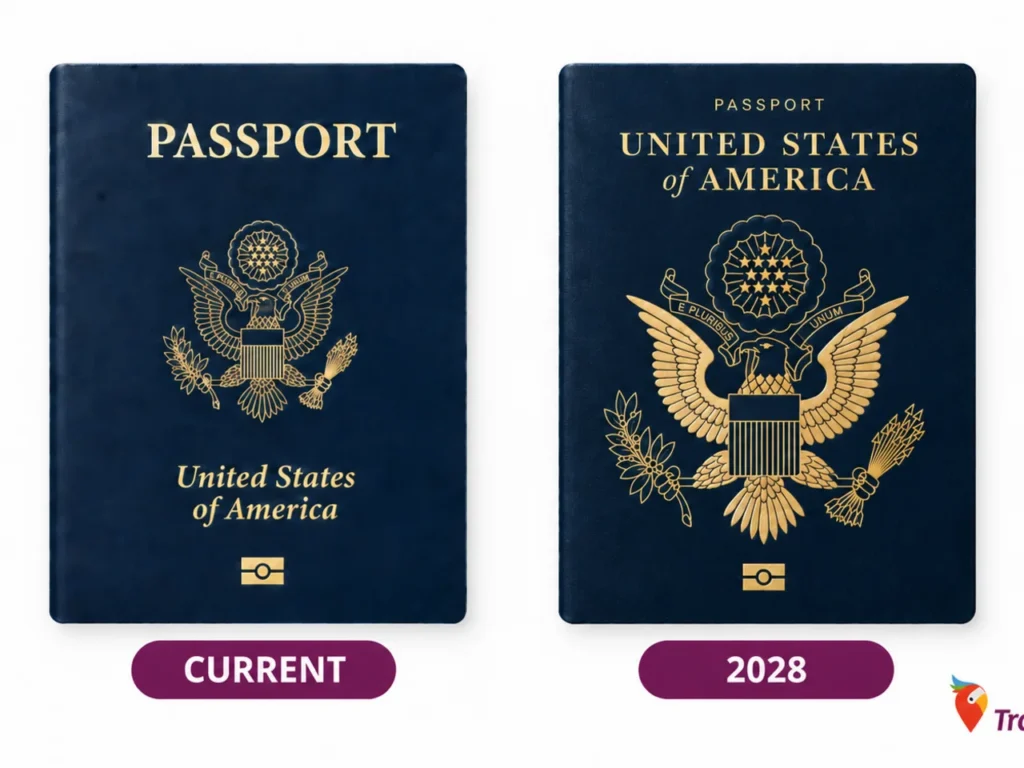
The United States is preparing wider online passport applications and a redesigned booklet, with separate timelines for the two developments. Secretary of State Marco Rubio has outlined a goal for most Americans to apply digitally by the end of 2027. The passport redesign has an anticipated rollout in 2028.
For international travellers, the proposed improvements could reduce administrative effort before holidays, business trips and family visits abroad.
However, passengers should distinguish future plans from services already available. Eligible adults can renew online today, while current guidance still directs first-time adult applicants to apply in person.
Wider Digital Applications Remain A Future Goal
The planned expansion would extend digital convenience beyond the existing online renewal programme. Its potential value lies in simplifying an application process that currently requires physical attendance for first-time applicants.
Under the current approach, those applicants complete the required paperwork and present their documentation at an authorised acceptance facility.
Moving more steps online could reduce journeys to facilities and make applications easier to fit around work or family commitments. Nevertheless, announced ambitions do not establish that every applicant can already complete the process remotely.
Travellers planning near-term departures should follow the requirements available when they apply. Waiting for a future platform could leave insufficient time to obtain travel documents.
Online Renewal Already Serves Eligible Adults
The current online renewal programme has defined eligibility conditions. Applicants must be at least 25 and hold a passport originally valid for ten years.
That passport must expire within one year or have expired less than five years earlier. Applicants must also meet additional conditions covering location, document condition and personal information.
Current guidance requires applicants to be in a U.S. state or territory when submitting. The service therefore should not be described as universally available to Americans living overseas.
Travellers who do not qualify should check the appropriate alternative application route. Digital access complements other processes rather than eliminating every paper-based option immediately.
Passport Redesign Introduces A Standard Booklet
The planned 2028 redesign includes a move to a single 38-page passport book. This will replace the current Next Generation Passport options containing 26 or 50 pages.
Earlier passport versions offered 28-page and 52-page formats, explaining why different page counts appear in descriptions of existing documents.
The announced standardisation excludes emergency passports, which will retain a 12-page format.
The supplied announcement also describes a larger gold Great Seal on the cover and eagle artwork inside.
For travellers, the practical change concerns the standard booklet size. The visual redesign alone provides no reason to replace an otherwise valid passport prematurely.
Digital Photos Could Simplify Preparation
The proposed application experience includes uploading photographs taken with personal devices. The supplied information also describes a preview before submission.
This could make preparation more convenient for applicants who would otherwise arrange printed photographs separately. However, convenience does not remove the need to meet passport photograph requirements.
Applicants should check the applicable image instructions before uploading. An unsuitable photograph can create additional correspondence and delay completion.
Similarly, submitting an application digitally does not mean the passport becomes available immediately. Document assessment, approval and delivery remain separate stages of the process.
Urgent Travellers Need A Different Approach
Online renewal currently provides routine service and cannot be expedited. Applicants must not plan international travel within six weeks of submission.
The State Department also cancels the passport being renewed after an online application is submitted. Travellers cannot continue using that document once it becomes invalid.
These conditions matter when coordinating flights, cruises, accommodation and other overseas reservations.
Passengers facing urgent departures should check the appropriate passport agency procedures before choosing an application method. A simpler submission process should never be confused with guaranteed faster issuance.
Tourism Impact Depends On Successful Implementation
Easier passport administration could help prospective travellers prepare for international journeys with less effort. Airlines, hotels and cruise operators may benefit if improved access supports additional bookings.
However, the announcements do not establish increased outbound travel or measurable tourism revenue. Demand will also depend on household budgets, fares and destination conditions.
Acceptance facilities may need to adapt as application channels evolve. Any financial consequences will depend on final operating arrangements and fee rules.
For now, travellers should check their passport’s condition and validity, then select the application process available to them. The proposed overhaul offers future convenience, while current requirements continue to govern immediate travel planning.
For more travel news like this, keep reading Global Travel Wire