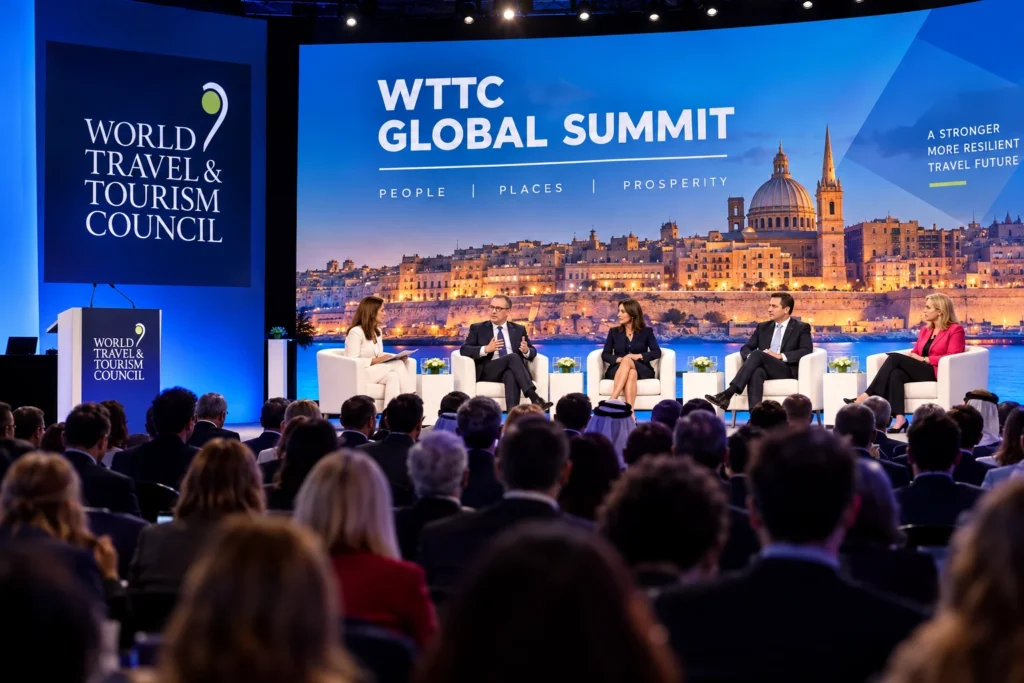
The global travel sector stands at a critical juncture. Confronted by political realignment, accelerating technological changes, and growing calls to deliver measurable benefits to local destinations, industry decision-makers require decisive, unified direction. At the recent Global Summit organized by the World Travel & Tourism Council in Valletta, Malta, leaders from across the public and private sectors gathered to address these systemic shifts. Through structured dialogue and an agenda built on private-sector collaboration, the event provided a comprehensive roadmap for long-term growth and destination management.
The three-day assembly highlighted how strategic steering, coordinated policy frameworks, and member-led priorities can align a traditionally fragmented global sector. By balancing technological efficiency with workforce investment, the gathering established actionable goals for international travel governance.
Uniting Stakeholders in Valletta
The gathering in Valletta convened over 1,000 global delegates, including senior ministers, chief executives, policy experts, and diplomatic figures. The primary objective was to move beyond conventional conference discussions and establish unified policies to guide international travel into its next era.
Rather than treating digital integration and sustainability as isolated topics, discussions emphasized their structural influence on national economies, employment stability, and regional infrastructure. Official releases and organizational figures indicate that the council’s membership base has expanded back to over 210 major travel enterprises, supported by an active pipeline of prospective organizational members and interest from 22 destinations seeking to host future global assemblies.
This expansion reflects a growing demand for centralized governance models that bridge private-sector operational realities with national policy frameworks. By aligning global corporate leadership with public administrative goals, the summit demonstrated how structured collaboration can address complex economic challenges.
A Strategic Framework for Industry Transformation
A key outcome of the Valletta assembly was the formal introduction of the member-driven strategic agenda, developed directly through consultation with private-sector participants. Built around eight core focus areas, the framework addresses the primary operational and structural requirements of modern travel ecosystems:
Seamless and Secure Travel: Deploying advanced digital verification systems, biometric authentication, and interoperable security standards to minimize transit delays while ensuring international safety compliance.
Destination Stewardship: Developing balanced management strategies that prevent over-tourism, safeguard natural and cultural resources, and ensure host communities receive tangible economic returns.
Environmental Sustainability: Aligning tourism operations with strict carbon-reduction targets, resource conservation protocols, and circular economy practices across accommodation, transport, and leisure sectors.
Responsible Technology: Integrating artificial intelligence, predictive analytics, and automated services to enhance operational efficiency without diminishing human-centric service delivery.
Crisis Preparedness and Resilience: Establishing unified protocols to prepare destinations for economic shifts, climate events, and health crises through coordinated public-private response strategies.
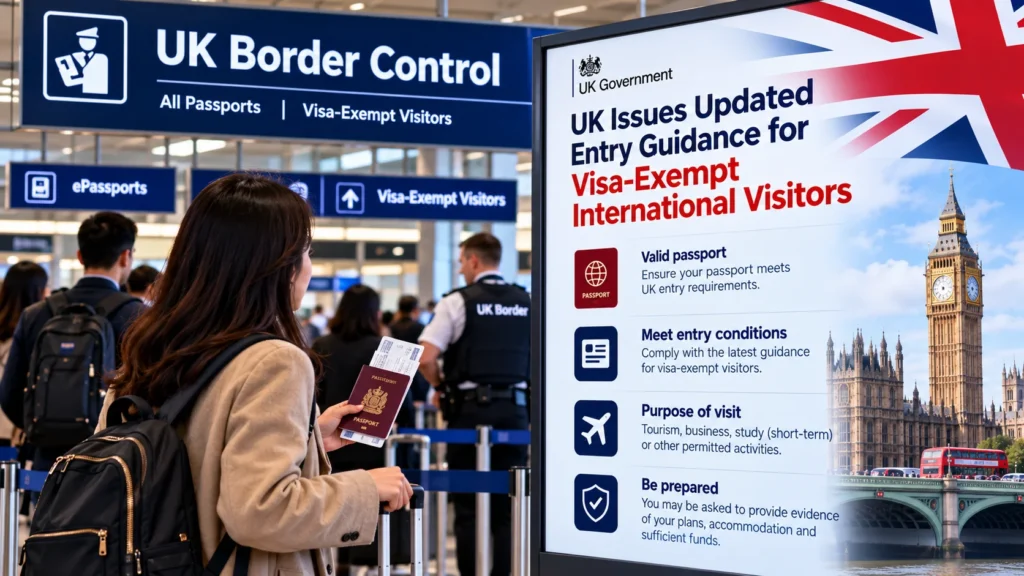
Global Connectivity: Expanding air, sea, and land transport links while advocating for streamlined visa processing and modern border management frameworks.
Workforce Development: Investing in vocational training, skill enhancement, and youth recruitment programs to cultivate a resilient, adaptable tourism labor force.
Investment-Friendly Policies: Partnering with finance ministries and municipal authorities to create transparent regulatory environments that incentivize sustainable capital investment.
This structured framework ensures that global operational policies reflect the actual challenges faced by hotel groups, transit providers, technology firms, and destination management entities.
Harmonizing Digital Innovation with Human Capital
A central topic throughout the sessions was the implementation of next-generation technology, specifically artificial intelligence and biometric identity processing. Industry projections confirm that automated systems and digital credentials can eliminate administrative bottlenecks at international points of entry. However, delegate contributions underscored that technology must enhance—rather than replace—the human workforce driving guest experience and local hospitality.
Global travel accounts for approximately one in ten jobs worldwide, serving as an vital gateway to economic mobility, youth employment, and regional development. Modernizing international travel networks involves creating high-value employment opportunities, training workers in digital competencies, and establishing sustainable career paths within host communities.
Addressing seamless transit, official discussions raised practical considerations regarding cross-border movement. In an environment where global financial transactions take place instantaneously across digital platforms, travel infrastructure must adopt compatible digital protocols. Standardized biometric identification and unified digital passports represent key steps toward reducing processing times while strengthening security measures across air, maritime, and land checkpoints.
Building Sustainable Value Through Organizational Alignment
Behind the public panels and policy announcements, organizational strategy focused on ensuring continuous engagement between public authorities and international corporate entities. Individualized participation frameworks give member organizations clear channels to support policy development, advocate for sustainable infrastructure, and contribute to international research studies.
By linking global travel policy directly to local destination needs, international tourism bodies help ensure that capital investment, regulatory reform, and infrastructure projects yield long-term benefits for host nations. As the sector continues its global expansion, the integration of member-created priorities provides a scalable foundation for economic stability, cross-border cooperation, and environmental stewardship across major travel regions.
For more travel news like this, keep reading Global Travel Wire