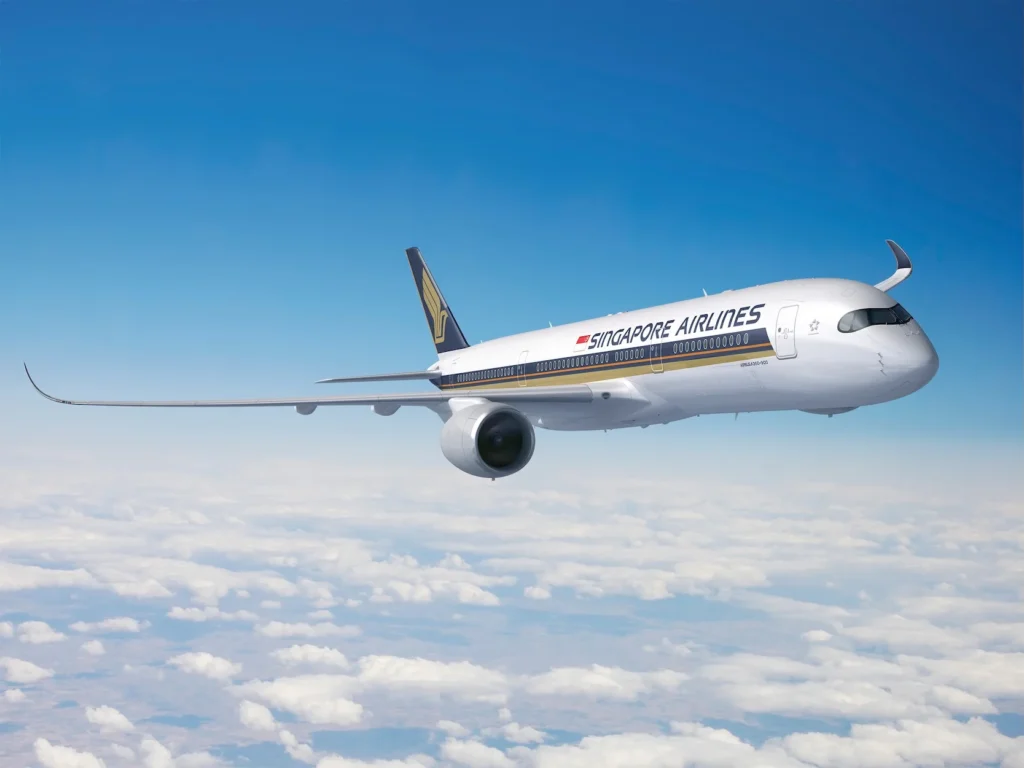
Singapore’s biometric immigration system highlights how faster airport processing can improve international journeys, while additional airline charges complicate travel budgeting. Together, these issues place passenger convenience and total trip costs at the centre of aviation competition.
At Changi Airport, eligible travelers can clear immigration using facial and iris biometrics without presenting passports at automated lanes. Singapore’s Immigration & Checkpoints Authority completed the rollout across all four terminals on 30 September 2024.
The authority reported that average clearance time fell from 25 seconds to ten seconds, a reduction of 60%. These results provide a concrete example of technology improving one stage of the passenger journey.
Faster Immigration Supports the Visitor Experience
For international visitors, immigration processing forms an early impression of a destination. Shorter clearance times can make airport arrivals and departures more convenient.
Singapore’s system allows arriving and departing residents to use passport-less clearance. Foreign visitors can use it when departing, subject to eligibility.
However, travelers must still carry valid passports. Biometric processing at one checkpoint does not remove documentation requirements elsewhere on an international itinerary.
The improvement also concerns immigration clearance rather than the entire airport journey. Check-in, security, baggage collection and boarding remain separate processes.
For tourism businesses, smoother airport procedures can help visitors move more efficiently toward accommodation, transport and activities. The published clearance figures do not quantify additional visitor spending or tourism growth.
Airline Extras Change the Cost Comparison
Alongside airport efficiency, passengers must assess what their airfare includes. Baggage, advance seat selection and other services can change the final price.
An inexpensive headline fare may become less competitive once travelers add the services they need. Families, long-stay visitors and passengers carrying checked luggage face different requirements.
Consequently, comparing base fares alone can produce an incomplete travel budget. The relevant figure is the total cost of the intended journey.
This issue extends beyond North America. Airlines across different markets use fare categories that include varying benefits and restrictions.
Regional comparisons therefore require care. Neither Asian nor North American aviation follows a single pricing model shared by every carrier.
Singapore Airlines Also Offers Different Fare Benefits
Singapore Airlines illustrates why airport convenience and airline pricing should be assessed separately.
Its published fare conditions explain that advance seat selection may attract charges depending on the cabin and fare purchased. Some fare types include standard seat selection, while others require payment before check-in.
Passengers can generally choose available seats without charge when online check-in opens, subject to the airline’s conditions.
These distinctions matter when travelers compare tickets. A higher fare may include benefits that another booking requires them to purchase separately.
Singapore’s biometric infrastructure can improve border processing while individual airline fares still contain paid options. Both features shape the experience, but they address different passenger needs.
Refund Protections Address Disrupted Journeys
In the United States, refund protections provide another important part of international passenger planning.
Department of Transportation guidance explains that eligible passengers can receive automatic refunds following cancellations or significant schedule changes. This applies when they do not accept alternative transportation or compensation and do not travel.
The guidance identifies significant delay thresholds of three hours for domestic itineraries and six hours for international itineraries.
However, a refund entitlement should not be confused with compensation for every additional expense. Hotel costs, meals and other losses require separate assessment.
Travelers should check the protections applicable to their route before accepting replacement flights, vouchers or other arrangements.
These rules concern covered journeys and circumstances. They do not establish one uniform refund framework throughout North America.
Loyalty and Technology Need Separate Assessment
Frequent-flyer programmes add another consideration when passengers compare international services. Distance, booking class, fare conditions and programme rules can influence rewards.
Travelers should examine the earning terms attached to their specific ticket. A long flight does not automatically produce identical mileage credit across fares.
Similarly, airport biometrics do not establish that every airline offers integrated booking, boarding or customer service.
Border authorities, airports and carriers manage different parts of the journey. Improvements depend on how effectively those processes work together.
Claims that one region universally offers fairer loyalty rewards or more transparent fuel charges require country-specific and airline-specific evidence.
Tourism Competition Extends Beyond the Ticket
For destinations, convenient air travel involves more than flight availability. Visitors also consider processing times, predictable costs and support when plans change.
Singapore’s documented biometric results demonstrate a measurable improvement at immigration. Airline fare conditions show why passengers must still examine booking details carefully.
The strongest comparison therefore focuses on individual services and verified outcomes. Faster clearance, clearer purchasing decisions and effective disruption support each contribute to a more manageable international journey.
Verification: Official immigration, airline fare and U.S. refund guidance informed the checked details above.
For more travel news like this, keep reading Global Travel Wire