Oneworld and all 15 member airlines have committed to the Buckingham Palace Declaration, strengthening collective action against illegal wildlife trafficking. Announced in Brussels on 16 October 2026, the agreement covers an aviation network serving nearly 1,000 destinations.
The alliance says it is the first airline grouping to secure unanimous member support for the declaration. Its commitment centres on employee awareness, reporting, screening and cooperation with enforcement authorities.
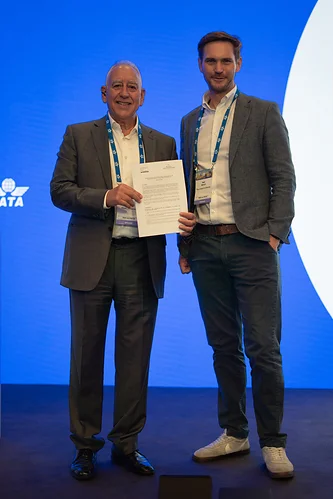
Royal Jordanian completed the alliance-wide participation when President and Chief Executive Officer Samer Majali signed the declaration in Brussels.
For tourism, the initiative addresses a threat to wildlife and natural environments that support destination appeal and local livelihoods.
Royal Jordanian Completes Collective Support
Majali signed during the International Air Transport Association’s Wings of Change Europe event. Royal Jordanian’s participation brought every oneworld member airline into the commitment.
The development gives the alliance a shared basis for addressing trafficking risks across different operating environments. International journeys frequently involve connecting flights, cargo transfers and several jurisdictions.
That complexity makes cooperation valuable when suspicious movements extend beyond one airline or airport.
Oneworld Chief Executive Officer Ole Orvér welcomed the collective commitment, emphasising the importance of identifying and disrupting trafficking activities.
The agreement establishes common objectives. Its practical value will depend on how airlines translate those objectives into everyday procedures.
Declaration Targets Criminal Use of Transport
United for Wildlife introduced the Buckingham Palace Declaration in 2016. The initiative, established by The Royal Foundation, brings transport and logistics organisations into efforts against illegal wildlife trade.
Its approach recognises that criminal networks can exploit legitimate supply chains. Aircraft, airports and cargo operations may provide routes for moving protected animals and wildlife products across borders.
The declaration encourages participating businesses to treat trafficking as a serious international crime.
It promotes prevention, practical training, effective reporting and cooperation. For airlines, these priorities connect wildlife protection with existing operational oversight and compliance responsibilities.
The commitment also links participants with the United for Wildlife Transport Taskforce, supporting engagement between transport businesses and conservation partners.
Frontline Teams Play a Central Role
Airport employees and cargo handling teams may encounter suspicious shipments, unusual documentation or activity requiring closer examination.
Training can help staff recognise potential warning signs and understand how to report concerns through established channels.
A zero-tolerance approach provides the foundation. Clear procedures then help employees move from awareness to appropriate action.
Screening and reporting measures also need coordination with customs and law enforcement agencies. Airlines can communicate relevant information, while authorised authorities handle investigations and enforcement.
Conservation organisations can contribute specialist knowledge about trafficking methods and wildlife risks. That cooperation helps transport operators understand the problem beyond their immediate commercial operations.
The announcement does not provide an implementation timetable or quantified enforcement targets.
Global Connectivity Creates Shared Responsibilities
Oneworld’s reach gives the initiative relevance across major gateways and regional markets. Its member airlines connect nearly 1,000 destinations supporting tourism, business travel and international commerce.
However, those same connections can offer opportunities for criminal exploitation. Consistent awareness and reporting can help reduce gaps between different parts of a journey.
An alliance-wide approach creates opportunities to share information and strengthen coordination across participating carriers.
Nevertheless, airline action forms one part of a wider response. Effective disruption also depends on customs inspections, national authorities and cooperation against criminal networks outside aviation.
The commitment therefore represents a framework for collective participation rather than evidence that trafficking has already declined.
Wildlife Protection Supports Tourism Destinations
Wildlife and healthy ecosystems attract visitors to many destinations. Nature-based tourism can support accommodation providers, guides, conservation activities and surrounding communities.
Illegal wildlife trade threatens the natural assets on which those experiences depend. Protecting species consequently has relevance for both conservation and destination sustainability.
Airline participation can support that wider effort by making transport networks harder to misuse.
However, the announcement includes no estimate of additional tourism revenue or avoided economic losses. Any measurable destination benefits will require evidence over time.
For travellers, the initiative primarily concerns airline operations and institutional cooperation. It announces no additional ticket charges or new passenger travel restrictions.
Implementation Will Determine Lasting Results
Lord William Hague, Co-Chair of United for Wildlife, welcomed the participation and the addition of signatories to international anti-trafficking efforts.
The next test lies in implementation across all participating airlines. Staff training, accessible reporting systems and cooperation with authorities will determine how the commitment functions in practice.
As those measures develop, the alliance’s shared position gives wildlife protection a clearer place within global aviation operations.
For more travel news like this, keep reading Global Travel Wire