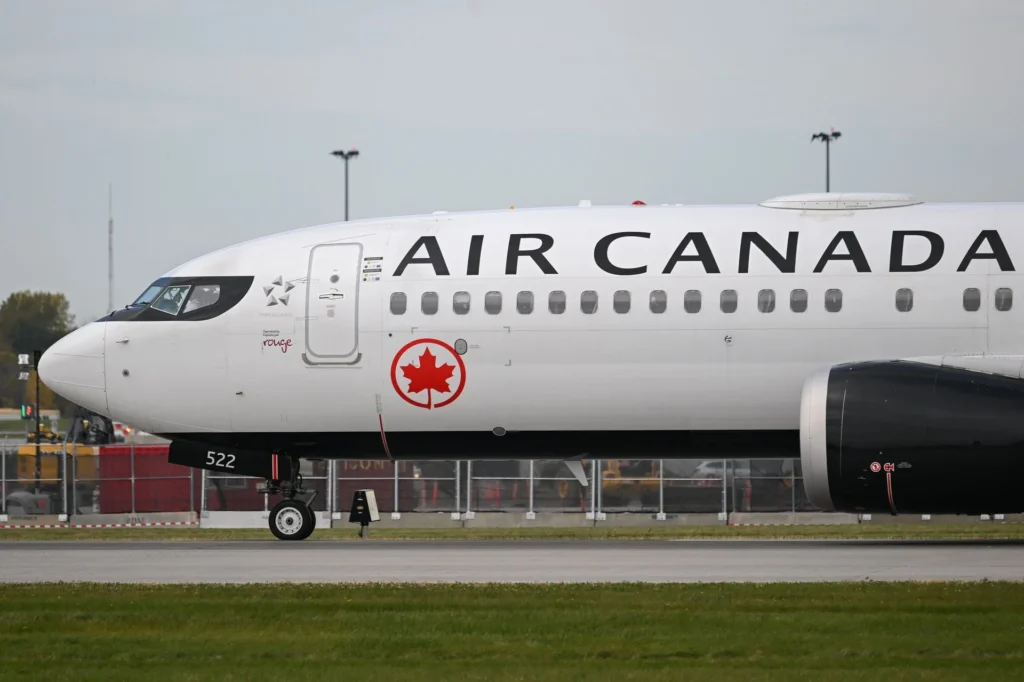
Air Canada and United Airlines have proposed six non-stop routes for summer 2027 alongside an expansion of their cross-border partnership. The plans remain subject to regulatory approval, with Transport Canada examining the implications for connectivity, airfares and competition.
The application seeks to bring additional overlapping routes into the airlines’ existing joint business agreement. Proposed benefits include new services, larger aircraft on selected routes and more coordinated connections between Canada and the United States.
For travellers, the central question extends beyond additional destinations. Regulators must weigh improved network access against reduced independent competition between two major transborder airlines.
Six Routes Would Broaden Cross-Border Access
Air Canada’s proposed additions include Toronto–Louisville, scheduled to begin April 28, 2027. Montréal–Indianapolis and Edmonton–Newark would follow on June 1, 2027, under the submitted plans.
The routes would create additional options for business trips, city breaks and visits to friends and relatives. Edmonton passengers would also gain direct access to the New York metropolitan area through Newark.
United’s proposed expansion includes Denver–Ottawa and Denver–Québec City. The airline also plans to restore seasonal non-stop service between Newark and St. John’s.
Together, these additions would connect Canadian destinations with major American hubs and smaller commercial markets. However, proposed launch dates should remain distinct from confirmed operating schedules while the assessment continues.
Tourism Opportunities Extend Beyond Major Hubs
The proposed services could make several destinations easier to include in international itineraries. Direct flights reduce the need for intermediate connections, potentially improving convenience for shorter holidays.
Québec City could gain another entry point for American leisure visitors through Denver. Meanwhile, restored Newark–St. John’s service could support seasonal access to Newfoundland and Labrador.
Ottawa would gain a direct link with Denver, creating opportunities for travel between Canada’s capital and the Rocky Mountain region. Louisville and Indianapolis would enter the proposed expansion through Air Canada’s Canadian hubs.
For hotels, attractions and local transport providers, any benefit would depend on actual passenger demand. Additional routes create opportunities, but they do not guarantee higher visitor spending.
Larger Aircraft and More Seats Also Proposed
The expansion package includes changes to existing services alongside the six proposed routes. Edmonton–San Francisco would receive Airbus A220 aircraft under the outlined deployment plan.
Denver–Winnipeg would see a proposed 65% increase in seat capacity. Additional frequencies between Washington and Québec City would also support the summer network.
These changes could provide more booking options on established corridors. Their practical value would depend on operating schedules, ticket availability and connections at either end.
For travellers comparing itineraries, additional capacity may improve choice. However, the proposal does not establish that every route would receive lower fares.
Expanded Coordination Raises Competition Questions
Air Canada and United have operated their transborder joint business agreement since 2022. The arrangement allows coordination of participating schedules, pricing, sales and revenue sharing.
The current application seeks to extend that cooperation to routes previously outside the agreement. The supplied proposal describes ten routes, although its detailed list does not clearly identify ten separate airport pairs.
Named corridors include Montréal–Chicago, Vancouver–San Francisco and Toronto–San Francisco. It also identifies Montréal–Washington, Ottawa–New York and Calgary–Houston.
Some listings group multiple airports within one metropolitan area. Consequently, the precise airport-level scope requires clarification before describing all ten routes individually.
On routes brought into the agreement, closer commercial coordination would replace independent decision-making between the two airlines. That change makes the competition assessment particularly important.
Public Review Examines Passenger Benefits
Transport Canada’s public consultation runs from October 16 through November 15, 2026. Travellers, consumer organisations, travel businesses and competing airlines can contribute views through the federal consultation process.
The review considers whether the proposed public benefits justify potential effects on competition. Relevant issues include fares, available alternatives, connecting journeys and the position of rival carriers.
Coordinated schedules could improve some connections and simplify certain disrupted journeys. However, passengers on overlapping routes may place greater value on independent fare competition.
Loyalty recognition and network convenience form part of the broader passenger proposition. Their value will differ according to travel patterns and available alternatives.
Approval Will Determine the Final Network
After consultation closes, Transport Canada will assess submissions alongside the proposal’s economic and public-interest implications. A final regulatory outcome will determine whether the expanded arrangement can proceed.
Until then, the summer 2027 package represents a conditional network plan. Travellers and tourism businesses should distinguish proposed services from confirmed, bookable operations when making commitments.
For more travel news like this, keep reading Global Travel Wire