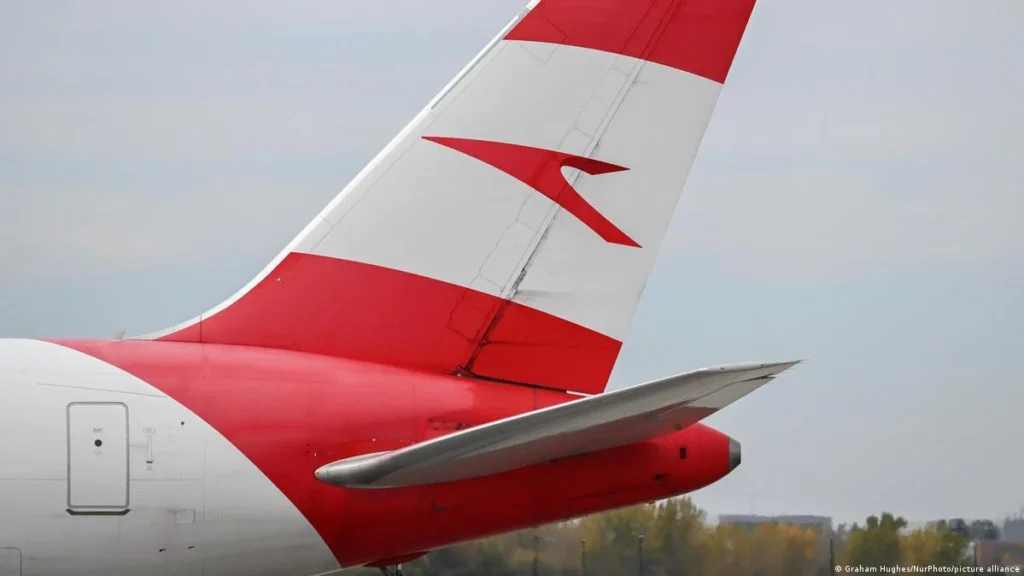
An Austrian Airlines flight travelling from Tel Aviv to Vienna reportedly diverted to Sofia following a suspected bomb threat. All passengers left the aircraft safely after the unscheduled landing in the Bulgarian capital.
The supplied account describes an anonymous warning alleging explosives aboard the aircraft, alongside concerns about an unidentified object. However, that account does not establish whether dangerous material was present or provide confirmed security inspection findings.
The diversion interrupted an international passenger journey, creating uncertainty over arrival times and onward travel. Details concerning replacement services, accommodation and the passengers’ eventual arrival in Vienna were absent from the supplied information.
Security Warning Prompts Change of Route
The aircraft was operating between Israel and Austria when the reported warning prompted a change to its planned journey. Instead of continuing towards Vienna, the flight redirected to Sofia Airport.
The account also states that the aircraft transmitted an emergency signal before changing course. However, it does not identify the signal or provide an officially established timeline of the crew’s decisions.
Concerns about an unidentified object reportedly formed part of the alert. Its appearance, location and connection to the anonymous warning remain unestablished in the material provided.
Those distinctions matter when describing the incident. A suspected threat can trigger a serious operational response without establishing that an explosive device exists.
Passengers Leave Aircraft Safely in Sofia
The aircraft reached Sofia, where passengers disembarked safely. This brought the airborne phase of the diversion to an end and allowed further assessment on the ground.
Nevertheless, the supplied account leaves several practical questions unanswered. It does not detail how long passengers remained at the airport or what assistance they received.
An unexpected landing can affect travellers differently, depending on their final destination and the flexibility of their arrangements. Some may need revised connections, while others face delayed transfers or changes to accommodation bookings.
For this flight, those consequences remain potential effects rather than individually confirmed passenger experiences. No detailed account establishes the full extent of the disruption.
Vienna Connections and Visitor Plans Face Uncertainty
The immediate travel impact centred on the interruption of the scheduled journey to Vienna. Passengers expecting to arrive in Austria instead landed in Bulgaria while the security concern required attention.
For international visitors, that geographical change can complicate even a carefully planned itinerary. Airport collections, hotel check-ins and scheduled activities may depend on a predictable arrival time.
Connecting passengers can face additional uncertainty when an incoming service diverts. However, the supplied information does not establish how many travellers had onward flights or missed connections.
There is also no basis within the account to describe wider disruption across Austrian Airlines’ network. The reported incident concerns one diverted service, rather than a confirmed suspension of the route.
Precautionary Landing Separates Alert From Findings
The diversion illustrates the distinction between responding to a warning and determining whether that warning is credible. Landing permits a ground assessment, while the investigation must establish what actually occurred.
The supplied account does not explain precisely how the airline evaluated the information received. It also leaves the origin and delivery method of the anonymous warning unresolved.
Accordingly, the incident should remain described as a suspected security threat. Claims of a confirmed explosive device, an attempted attack or an identified perpetrator would exceed the available information.
Similarly, the presence of an unidentified object does not independently establish a connection to explosives. Its significance depends on findings absent from the supplied account.
Onward Travel Details Remain Important
For affected passengers, the next practical issue was completing their interrupted journey. Clear information about departure arrangements would help travellers reorganise transport, accommodation and any time-sensitive commitments.
However, the supplied material does not confirm whether the same aircraft continued to Vienna. It also provides no established details about alternative flights, overnight stays or passenger assistance.
A youth delegation reportedly travelled aboard the service, although its size and programme were not independently established in the account. Its eventual travel arrangements also remain unspecified.
These information gaps limit any assessment of the incident’s final effect on individual itineraries.
Security Outcome Requires Confirmed Information
The central facts in the supplied account concern a reported threat, a diversion to Sofia and safe passenger disembarkation. The credibility of the warning and the inspection outcome require confirmed information.
For travellers, the episode highlights how an unexpected security alert can interrupt international journeys and complicate onward plans. Its broader significance depends on establishing the complete sequence of events and the final operational outcome.
For more travel news like this, keep reading Global Travel Wire