Liechtenstein’s hospitality sector draws demand from two complementary markets: business travellers visiting the Rhine Valley and holidaymakers exploring its alpine destinations. Summer outdoor activities add another source of accommodation demand beyond the winter ski season.
Vaduz and Schaan anchor the corporate travel offering, while Malbun and Steg provide access to mountain recreation. Together, these destinations give hotels opportunities to attract visitors with different schedules, interests and spending priorities.
The combination could help accommodation providers reach customers throughout the year. However, claims of a nationwide booking boom require clearly dated statistics distinguishing arrivals, overnight stays, occupancy and revenue.
Rhine Valley Hotels Serve Corporate Visitors
Business activity supports accommodation demand in Vaduz, Schaan and surrounding commercial centres. Visiting executives, technical specialists and meeting participants create opportunities for hotels alongside restaurants and transport providers.
Corporate journeys can also bring demand outside traditional holiday periods. For accommodation operators, this offers a different booking pattern from leisure travel concentrated around weekends and school breaks.
Nevertheless, business demand varies between properties and locations. Proximity to meetings, suitable facilities and convenient transport can influence where visiting employees choose to stay.
Hotels seeking these customers need to connect reliable accommodation with practical services. The overall experience includes arrival arrangements, access to workplaces and the ability to manage professional commitments efficiently.
Malbun and Steg Extend Their Seasonal Appeal
In the mountains, Malbun and Steg attract visitors interested in outdoor recreation. Winter skiing forms part of that offering, while warmer months bring hiking, trail running and other alpine activities.
This range gives accommodation providers opportunities beyond a single season. Visitors can choose experiences according to weather, fitness and the time available during their stay.
The Valüna Valley and mountain routes feature within the outdoor landscape described in the destination offering. Malbun’s Sareis chairlift adds another way for visitors to experience the surrounding scenery.
However, mountain activities require realistic planning. Conditions, operating schedules and suitable routes influence which experiences travellers can include in an itinerary.
Vaduz Culture Adds Depth to Short Breaks
Cultural attractions provide another reason to spend time in Liechtenstein. In Vaduz, the Kunstmuseum, national museum and Postal Museum offer alternatives to outdoor activities.
These venues can help visitors build a varied short break around art, history and the country’s identity. They also create opportunities for spending at nearby cafés, restaurants and shops.
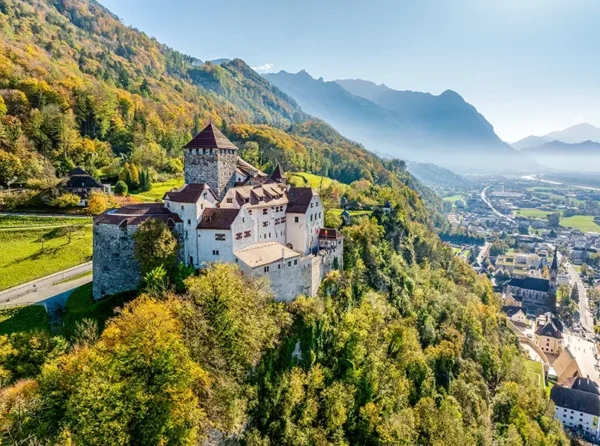
Vaduz Castle provides a prominent sightseeing landmark above the capital. Travellers should distinguish viewing a landmark from access to its interior when planning their visit.
Further south, Gutenberg Castle in Balzers adds another heritage focal point. Including several municipalities within an itinerary can distribute visitor activity beyond the capital.
Day Visitors Support a Different Tourism Market
Liechtenstein’s cross-border setting also attracts visitors who do not stay overnight. Their economic contribution centres on activities such as dining, shopping and visiting cultural attractions.
For local businesses, these customers represent a different market from hotel guests. Convenient transport and clear information can influence how much time they spend exploring.
However, day visits should remain separate from accommodation statistics. Increased attraction attendance does not automatically demonstrate stronger hotel occupancy or longer stays.
Understanding both groups helps destinations assess their visitor economy more accurately. It also supports services suited to travellers with either a few hours or several days available.
Longer Stays Could Broaden Local Spending
Combining professional commitments with leisure activities offers another opportunity for Liechtenstein’s tourism businesses. A visitor attending meetings in the valley could extend the journey with mountain accommodation or cultural experiences.
Additional nights may bring spending on meals, transport and guided activities. However, such extensions depend on personal budgets, available time and individual travel arrangements.
Hotels and tourism operators can make these options easier to understand through clear, practical information. Travel times and activity availability matter when visitors have limited flexibility.
The objective is to give travellers compelling reasons to stay longer while delivering experiences that suit their needs.
Tourism Value Depends on Local Participation
Accommodation spending can support businesses beyond hotels, including food suppliers, guides and transport operators. Local purchasing helps connect visitor demand with the wider economy.
At the same time, trails, cultural sites and public services require ongoing care. Tourism development must consider the capacity of the places visitors come to experience.
Liechtenstein’s opportunity lies in coordinating its business, cultural and alpine strengths. Reliable services and distinctive activities can encourage visitors to explore more widely, benefiting hospitality across the principality.
For more travel news like this, keep reading Global Travel Wire