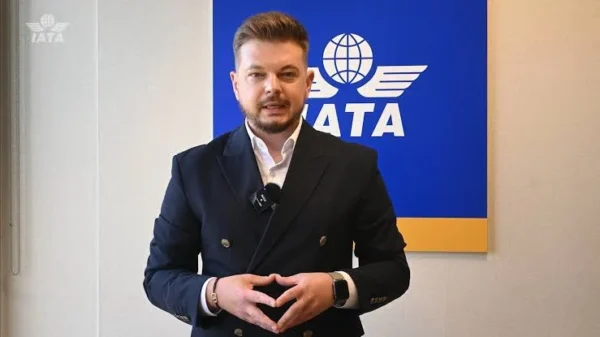
Switzerland will host the inaugural IATA Cybersecurity Summit in Geneva in late October 2026, bringing aviation’s digital vulnerabilities into focus. Planned discussions will examine passenger information, airline booking platforms, connected suppliers and the recovery of essential airport systems.
The gathering comes as international journeys depend on digital services across airlines, airports and travel distributors. A failure affecting one platform can complicate reservations, passenger assistance or ground operations, depending on the systems involved.
For travellers, the central concern is dependable service alongside the protection of personal information. For tourism businesses, maintaining accurate bookings and restoring access during disruption can influence customer confidence and journey continuity.
The provisional programme connects these practical concerns with artificial intelligence, regulatory requirements and operational recovery exercises.
Geneva Programme Examines Connected Aviation Systems
Sessions planned for 28 and 29 October will address airline technology, electronic flight bags, supplier dependencies and airport baggage-system recovery.
Other discussions will explore security testing involving booking, cargo and airport platforms. These sessions concern identifying weaknesses and improving safeguards.
Artificial intelligence will feature in discussions about intrusion techniques and defensive testing. Human oversight will also form part of the examination of automated security tools.
The programme’s breadth reflects aviation’s dependence on interconnected organisations. Airlines may rely on external providers for systems supporting reservations, communications and passenger services.
Consequently, effective recovery can require coordination beyond the organisation where a problem first appears.
Passenger Privacy and Flight Disruption Require Different Responses
A disclosed Manchester Airports Group incident illustrates why travel businesses must distinguish information exposure from operational interruption.
The operator reported unauthorised access involving customer information connected with parking, lounges, Fast Track and Wi-Fi registration in August 2026.
Affected information categories included email addresses, telephone numbers, vehicle registrations and postcodes. The operator said the accessed system did not hold bank or payment details.
It also reported that airport operations remained unaffected.
For passengers, such incidents can still create concerns about suspicious messages or misuse of personal information. However, customer-data exposure does not automatically mean flights have stopped.
Clear communication therefore matters. Travellers need to understand which services or information categories are affected before changing their plans.
European Oversight Strengthens Security Responsibilities
European information-security requirements will provide another focus for the Geneva discussions. EASA’s Part-IS framework requires covered organisations to manage information-security risks that could affect aviation safety.
Its application dates differ across organisational categories. Requirements began applying to specified organisations in October 2025, followed by additional organisations and authorities in February 2026.
The framework addresses risk identification, incident detection, response and restoration. It also places information security within continuing aviation oversight.
France’s aviation safety authority has included information-security occurrence reporting in its guidance. Germany hosted an implementation workshop in Cologne earlier this month.
These developments show how digital risk management increasingly intersects with aviation governance. However, regulatory approaches differ between jurisdictions, including the United Kingdom and United States.
Testing and Recovery Shape Airline Preparedness
Lufthansa Group documented more than 650 penetration tests during 2025, including expanded attention to aircraft-related and operational technology.
These exercises assess defensive weaknesses. Their number does not represent the number of successful attacks against the airline group.
The Geneva programme will also examine supplier vulnerabilities and practical recovery arrangements. Airport baggage systems provide one example of infrastructure requiring tested restoration procedures.
For tourism operators, recovery capability has direct customer-service implications. An unavailable platform may obstruct booking changes even when a traveller’s flight continues operating.
Travel agents may consequently need established escalation arrangements with airlines and technology suppliers. Maintaining controlled access to reservation records can also support assistance during interruptions.
Communications Security Extends Beyond Reservations
A September 2026 US Government Accountability Office audit examined weaknesses in the Federal Aviation Administration’s approach to aviation communications threats.
It addressed risk assessments, monitoring and concerns involving spoofing, jamming and the protection of operational messages.
The audit did not establish that a successful cyberattack had compromised aircraft safety. Its findings nevertheless broaden the discussion beyond passenger accounts and booking technology.
Different systems require different safeguards because their functions and consequences vary.
Tourism Confidence Depends on Reliable Digital Services
The summit’s tourism relevance rests on the continuity of services supporting international journeys. Travellers need accurate information, usable reservations and timely assistance.
Airlines, airports and travel sellers therefore share an interest in verified alerts and clear recovery responsibilities.
Geneva’s discussions will offer an opportunity to compare approaches across those organisations. Practical progress will depend on how participants apply testing, supplier coordination and recovery planning after the event.
For more travel news like this, keep reading Global Travel Wire