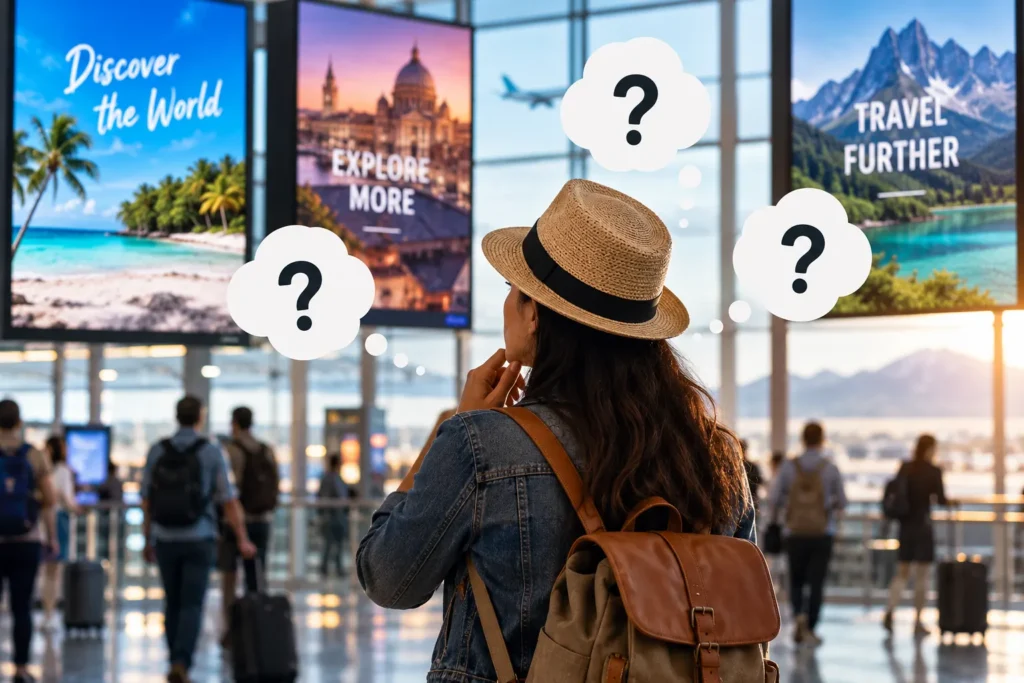
MUMBAI — Global tourism advertising faces a critical engagement problem even as appetite for international travel surges. A landmark joint study conducted by LIONS Advisory and TOURISE reveals that 50 per cent of consumers cannot remember the last tourism ad they saw. Furthermore, 60 per cent of travellers surveyed feel that destination commercials look identical, signaling an urgent need for destination management organizations to overhaul traditional promotional strategies.
The comprehensive research report, titled Ideas that travel – How tourism brands win the race for tomorrow’s customers, was published on 21 October 2026. It warns that standard postcard views, generic beach resort footage, and familiar vacation promises are no longer sufficient to secure consumer bookings. To capture modern audiences, tourism brands must evolve beyond basic destination-led promotions and build dynamic strategies around authentic storytelling, hyper-personalization, consumer trust, and integrated digital experiences.
Rising Travel Intent Demands Standout Promotional Strategies
This gap in brand recall comes at a time when consumer desire for travel is expanding rapidly. The study highlights that 39 per cent of global respondents intend to travel more in 2026 than they did in 2025. This figure escalates significantly among younger demographics, climbing to 51 per cent for Generation Z and 47 per cent for Millennials. These figures underline younger travellers as the primary growth driver for destination marketing organizations globally.
However, heightened intent to travel does not automatically translate into brand loyalty or immediate booking action. As international destinations compete aggressively across social media channels, creator networks, streaming entertainment, and digital ad formats, the fundamental challenge for marketers is giving travellers a compelling reason to choose one specific location over another.
The report draws on a global survey of 8,374 consumers across 13 major geographic markets, including India, alongside executive interviews and industry case studies. The data indicates that contemporary travellers expect destinations to understand their personal interests rather than offering mass-market, standardized vacation packages.
Personalization and Niche Experiences Drive Consumer Intent
Tailored recommendations have shifted from a luxury feature to a standard expectation. About 67 per cent of respondents state that they expect personalized suggestions from tourism providers, while 72 per cent want brands to recommend activities aligned directly with their specific hobbies and passions.
Additionally, 71 per cent of travellers are open to visiting emerging or non-traditional destinations over the next year. This willingness creates a valuable opportunity for lesser-known regions to attract visitors by organizing campaigns around niche themes such as culinary arts, extreme sports, cultural heritage, wellness retreats, and eco-tourism.
Social platforms serve as the main gateway for holiday discovery, with 33 per cent of consumers identifying social feeds as their primary source of travel inspiration. The influence of visual platforms, content creators, and user-generated media continues to reshape how itineraries are built.
Overcoming Information Fragmentation and Leveraging Artificial Intelligence
Despite high visibility on digital platforms, maintaining consumer trust remains a persistent barrier. The survey shows that 55 per cent of travellers struggle to find reliable, verified information while planning trips. To compensate, consumers consult multiple touchpoints before making financial commitments, cross-referencing independent travel reviews, influencer commentary, personal word-of-mouth recommendations, artificial intelligence tools, and official tourism board publications.
Artificial intelligence is playing a pivotal role in streamlining this complex research phase. Roughly 62 per cent of respondents anticipate using AI planning tools more frequently over the next 12 months for itinerary generation and hotel bookings. Tourism boards must ensure their official destination data is structured effectively for seamless discovery across AI-driven platforms, minimizing friction between initial inspiration and final reservation.
The IDEAS Framework: A Strategic Playbook for Industry Transformation
To help destination marketers address these shifting consumer dynamics, LIONS Advisory and TOURISE introduced the IDEAS framework. This strategic model outlines five essential principles for creative efficiency and commercial growth:
Investment: Maintaining persistent visibility across video streaming, social networks, and entertainment channels. Global tourism ad spend rebounded to 32.4 billion dollars in 2025, but the industry’s share of voice remains below pre-pandemic levels, proving that financial backing must be paired with high-impact creative direction.
Distinctiveness: Creating memorable, instantly recognizable brand identities that avoid generic scenery shots and speak directly to cultural values and consumer identity.
Engagement: Crafting emotionally resonant narratives that compete effectively against fast-moving social algorithms, using cultural relevance to spark active travel desire.
Authenticity: Ensuring promotional campaigns accurately reflect real-world visitor experiences. Honest representation protects destination reputation, as negative user reviews can swiftly undermine costly ad campaigns.
Seamlessness: Connecting the user journey seamlessly from initial discovery on social media through AI-assisted research down to direct booking channels.
Executive leadership at LIONS emphasized that creative strategy offers a measurable commercial advantage in an industry anchored in human emotion and memory. As travel choices multiply and digital channels fragment, destination marketers must offer meaningful narrative reasons for travellers to visit, delivering authentic experiences that leave a lasting impression.
For more travel news like this, keep reading Global Travel Wire